


Click on the headline (link) for the full text.
Many more articles are available through the Energy Bulletinhomepage
Peak Phosphorus – Commence Urine Recyling on Space Station Earth
Paul O’ Callaghan, Cleantech Blog
First there was “Peak Oil’, then there was talk of ‘Peak Water’, but ‘Peak Phosphorus’, may trump them all as a sustainability issue without rival.
Fact: Phosphorus is a non-renewable resource for which there is no substitute.
Phosphorus is the currency of energy in every living cell. Our ability to provide enough food to feed the human population is dependent on the use of artificial fertilizers, which contain phosphorus. While nitrogen is abundant in the atmosphere (- it just takes lots of energy to capture it!), phosphorus is mined at just a handful of locations worldwide.
You can substitute renewable energy for oil and gas. But no other mineral can take the place of phosphorus. There is no substitute for water either, but the water cycle constantly provides us with ‘new’ fresh water, granted not always where we want it, when we want it and in the quantities in which we would like, but there is a fundamental recycling system there. And if you have enough energy, two thirds of the planet is covered in it and you can take the salt out of it. There is no such ‘re-cycling system’ with phosphorus and the natural resources which are limited are being depleted. The timing for Peak phosphorus may be 50 years out, or a hundred and fifty years, but as with peak oil, it’s not a question of if, but when. There has already been considerable volatility in Phosphorus markets in the past year, possibly related more to volatility in the energy market and this has trickled through into food prices.
(14 January 2009)
Also just published: Phosphorus Matters.
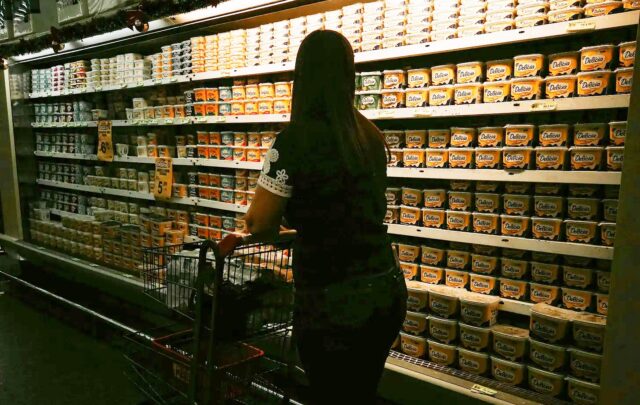
Enjoy low food prices, they are not here to stay
Carl Mortished, Times (UK)
At least the price of stuff is coming down. Faced with a rash of corporate bankruptcies and the threat of mass unemployment, the only piece of good news for the Government is that white van man isn’t screaming about the cost of filling up. Demand destruction has done its grim job and diesel is back below £1 per litre.
The fall in oil and metal prices is unprecedented. Commodity hedge funds that gobbled greedily in the spring found in August that someone had turned off the power and the choc ices had dissolved into a sticky mess. Over the past five months, a barrel of crude oil has lost three quarters of its value. So rapid and steep has been the commodities collapse that for many companies, mines and wells are loss-making. The outlook is even worse because at these prices – oil at less than $40 a barrel, for example – investment in new projects is not economic.
Loss-making oil and metal barons? Who cares. But this is not just about the economics of oil, it is also about the economics of food and it is about why very low prices today will engender very high prices tomorrow.
(14 January 2009)
Women bear brunt of drought
John Vidal, Guardian
The Guardian’s Christmas appeal this year is focusing on the lives of women in Katine {in Uganda]. Today John Vidal looks at the impact of climate change on the sub-county and how it is hitting women the hardest
—
… Women, who do most of the farming, bear the brunt of Katine’s growing environmental problems and are becoming trapped in a cycle of deepening poverty and physical degradation.
As the soils deplete, so the women must work longer in the fields and must travel further for water, which leaves them even more exhausted. Meanwhile, the fields they are overusing become less fertile and the men become more desperate for money to buy food and, therefore, are more likely to cut down trees to make charcoal, which they can sell.
“It can take months for a family to plough an area of land using only hand hoes and no animals. It also means that the family puts less effort into growing other crops. Sometimes people, women especially, just do not have the energy to do it,” says Ogwang.
(13 January 2009)
This links in with this article. KS.
Gardening in January (text and YouTube)
Bonnie D Gifford, EntropyPawsed
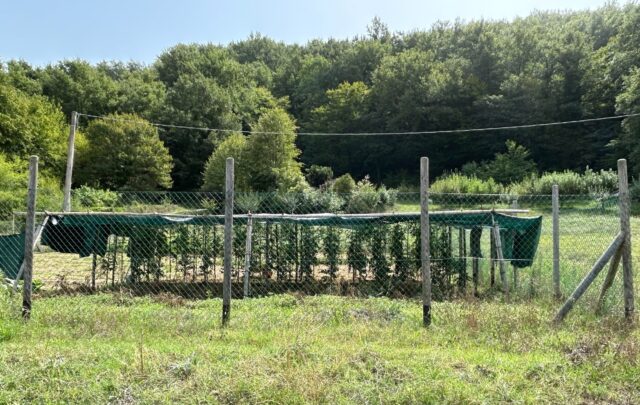
In our part of the Northern Hemisphere, January is a time for garden planning. The soil is hard and snow-covered, the compost pile frozen, the soil amendments stored away for the winter. There’s not much visibly happening outside.
Inside, near our warm wood-burning stove, we study seed catalogs, read and re-read garden advice books, and look through the newest garden calendar from the West Virginia University Extension Service.
We gauge the square footage in our garden, keeping vertical space in mind, as many plants such as tomatoes, beans and cucumbers grow well on trellising. We make a list of what we want to grow, based not only on what we like to eat, but also on what is easily grown and preserved and has the most nutritional value. We consider what can be grown in pots on window ledges and on the porch.
We draw a diagram of the garden, thinking of what to put where. The hard-neck garlic is already in, planted in October to be harvested in July. There are still potatoes in the ground; with heavy (~6 inches) mulching, we have found this is an easy way to store them over the winter. We have three patches of Jerusalem artichokes, also known as sunchokes. The roots of these self-propagating perennials can be an important emergency food source.
We decide what else to plant. Here is a list of 11 superfoods from a New YorkTimes Blog, Tara Parker-Pope on Health. We cannot grow all these foods here, but we can grow beets, cabbage, chard, blueberries and pumpkins. We also like tomatoes, beans, butternut squash, kale, spinach, brussel sprouts, and potatoes (Kennebec’s are the local choice for our surprisingly short growing season here in the mountains). Our final selections will come from the above named foods.
(13 January 2009)
Author Bonnie D Gifford writes:
This is module 2 of EntropyPawsed 101; a course we are developing at EntropyPawsed to try to further the conversation about designing for a sustainable future.


Comments
We changed commenting systems on September 10, 2026 as part of a site-wide functionality and security upgrade. Your past comments have not disappeared, and you can still log in with your old Disqus account credentials if you wish. Contact us with any questions.