


Click on the headline (link) for the full text.
Many more articles are available through the Energy Bulletin homepage
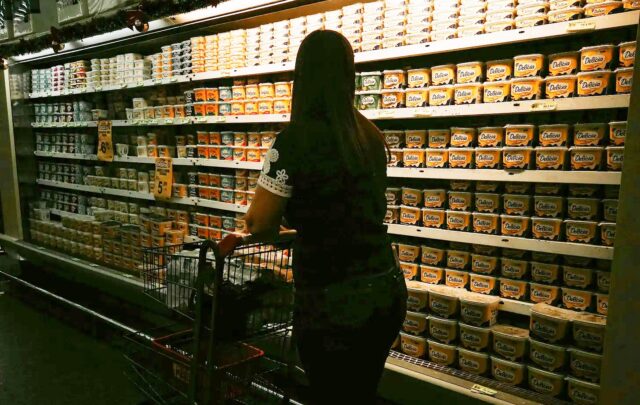
Indonesia: Price increases push US soy beyond reach of poor
Michael Casey, AP
… The cost of soy is spreading hunger on the country’s main island of Java, where millions of poor and working-class families depend on tofu and tempeh every day. It is also devastating an entire local industry based on soy products. Hundreds of factories have closed, thousands of people have taken to the streets to protest soy prices and at least one soy vendor killed himself after falling into debt.
The lessons of the soy crunch, however, go far beyond Indonesia.
Over the past decade, Indonesia went from growing more than half its soy to relying on the U.S. for 70 percent of it. Now the poor among this country’s 220 million people are going hungry because of changes thousands of miles beyond their shores. It is the same story for dozens of countries that came to depend on richer nations for cheap food, only to find themselves squeezed when prices start rising last year.
(6 September 2008)
Meet the urban sharecroppers
Tanis Taylor, The Guardian
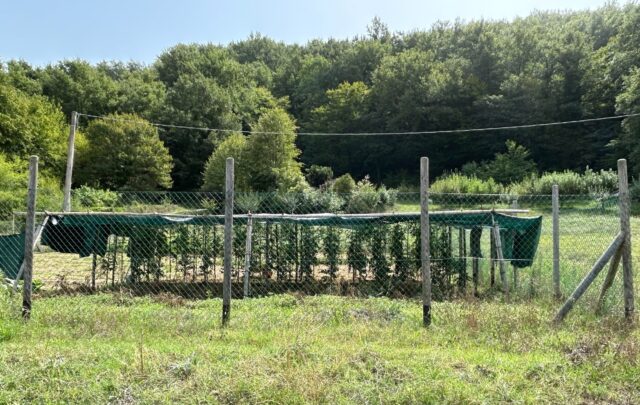
It was a small notice, in between the ads for childminding and English lessons. “Free gardening. I will cultivate an abundant vegetable plot for you in your garden and we will share the produce 50/50.” Then a number.
When I got home I looked at my garden – unused, unloved, under wood chip. I looked at Google Earth. Almost half of the 3.1m households in London have a garden. Put together, they would occupy an area roughly the size of the Isle of Wight, and could insulate us against food price hikes and keep us all in fresh vegetables. Most are lawns or crazy paving.
The idea of garden-sharing began in cities, among people who wanted to grow fruit and vegetables to eat but didn’t have the time, space or confidence. The most obvious solution was to pool resources; for knowledgeable people with time on their hands, but little space, to help the time-poor; and for those – often elderly – with large, unmanageable gardens to get labour in exchange for yield…
(4 September 2008)
The great honey drought
Cahal Milmo, The Independent
In 26 years of beekeeping, Ged Marshall has never seen anything as bad as the 2008 honey harvest. A miserable summer that has confined his bees to their hives following a winter bedevilled by deadly viruses means that production this year will be barely a third of its usual level of around five tonnes of honey.
Unfortunately for the nation’s honey lovers and apiarists, Mr Marshall’s experience is far from unique. According to the British Beekeepers’ Association (BBKA), up to a third of Britain’s 240,000 hives failed to survive last winter and spring due to disease and poor weather. The result is a drop of more than 50 per cent in honey production across the country…
Other disastrous harvests
Wheat
One of the best harvests in years in Britain has been ruined by weeks of heavy rain that has soaked crops and prevented farmers from operating combine harvesters. The National Farmers’ Union estimates that up to half the crop still remains in fields.
Damsons
Orchard owners in Cumbria, Kent, Shropshire and Worcestershire have reported a disastrous season with a knock-on effect for damson jam producers. Price rises of 300 per cent have been predicted.
Pears
Britain’s pear crop will be 38 per cent lower this year after late spring frosts, and the European yield of 2.2 million tonnes will be the lowest in a decade.
Grapes
French wine producers have predicted a five per cent drop in wine production to 43.6 million hectolitres due to the poor weather. Experts blamed a cold snap in late March and early April that damaged vines, unseasonably high rainfall and unexpected hailstorms in the traditionally warmer months.
(10 September 2008)


Comments