Click on the headline (link) for the full text.
Many more articles are available through the Energy Bulletin homepage
Michael Pollan on what’s wrong with environmentalism
Kate Cheney Davidson, Yale Environment 360
Michael Pollan talks about biofuels and the food crisis, the glories of grass-fed beef, and how environmentalists should think about sustainability.
—
… e360: You’ve been called a writer of food, of agriculture, and of the environment. How would you categorize what you write, and where does your latest book, In Defense of Food, fit within your larger body of work?
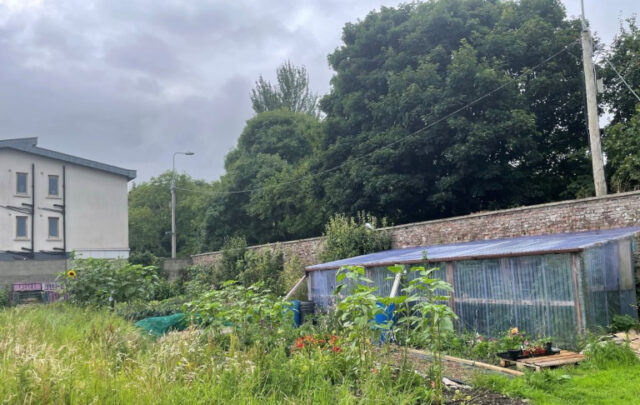
Pollan: I don’t see myself as a writer of food and the environment. I see myself as a kind of nature writer who likes writing about the messy places where the human world and the natural world intersect. I’m much less interested in wilderness, where most American writers interested in nature writing go to think about nature, than I am in gardens and houses and diets. All these places where we can’t just look at nature and admire it, or deplore what’s happening to it, but we really have to engage, we have to change.
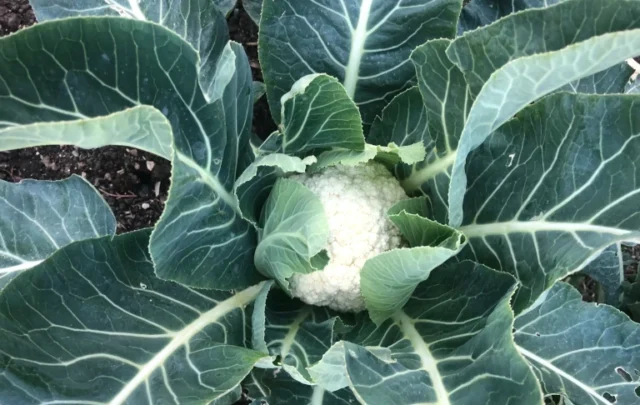
My writing all starts in the garden. My experience was entering the garden with a head full of Thoreau and Emerson, and finding those ideas, as beautiful as they are, do not prepare you for when the woodchuck comes and mows down your little crop of seedlings. That approach to nature counsels passive spectatorship, and argues implicitly that the woodchuck has as much right to your broccoli as you do, because it’s wild. So I, perforce, had to learn how to think about nature in a way that was a little different.
We’ve had in this country what I call a wilderness ethic that’s been very good at telling us what to preserve. You know, eight percent of the American landmass we’ve kind of locked up and thrown away the key. That’s a wonderful achievement and has given us things like the wilderness park.
This is one of our great contributions to world culture, this idea of wilderness. On the other hand, it’s had nothing to say of any value for the ninety-two percent of the landscape that we cannot help but change because this is where we live. This is where we grow our food, this is where we work. Essentially the tendency of the wilderness ethic is to write that all off. Land is either virgin or raped. It’s an all or nothing ethic. It’s either in the realm of pristine, preserved wilderness, or it’s development – parking lot, lawn.
(8 July 2008)
Also at AlterNet.
Can bovine burp research slow global warming?
Jessica Aldred, Guardian
Scientists trying to find a solution to reducing the levels of methane in the Earth’s atmosphere are using a handful of lucky Argentinian cows in a novel experiment involving bovine burps.
In a country famed for its cattle herds, scientists have strapped plastic tanks to the backs of cows in order to collect their belches and study their methane levels.
The scientists, from the National Institute of Agricultural Technology, say that as much as 30% of Argentina’s greenhouse gas emissions could come from cows, and hope this study will find a way to cut down on emissions by changing the diet and lifestyle of the animals.
(9 July 2008)
See the original for a photo of a handsome diary cow with a pink plastic tank on its back. -BA
Global fertilizer demand may rise 14% on higher food demand
Theresa Tang, Bloomberg
Global fertilizer demand may rise 14 percent by 2012 as farmers increase plantings to benefit from high prices and growing food consumption, the International Fertilizer Industry Association said.
… Potash, used in fertilizers, reached a record this year amid a shortage of crops used for food, animal feed and biofuels. Prices of the soil nutrient may almost double to $900 a ton in the next two to three years, Potash One Inc. said yesterday.
(9 July 2008)