

Lee Ann Rawlins Williams is a Clinical Assistant Professor in the Department of Education, Health & Behavior Studies at the University of North Dakota, where she serves as Program Director of the Undergraduate Rehabilitation and Human Services Program. Her work integrates rehabilitation counseling, disability inclusion, teacher and community mental health, and interdisciplinary human services education, with an emphasis on resilience and recovery.
'SELECT SQL_CALC_FOUND_ROWS wp_posts.ID
FROM wp_posts INNER JOIN wp_postmeta ON ( wp_posts.ID = wp_postmeta.post_id )
WHERE 1=1 AND (
wp_posts.ID NOT IN (
SELECT object_id
FROM wp_term_relationships
WHERE term_taxonomy_id IN (47485,47486)
)
) AND (
(
( wp_postmeta.meta_key = \'the_author\' AND wp_postmeta.meta_value = \'4033545\' )
OR
( wp_postmeta.meta_key = \'secondary_author\' AND wp_postmeta.meta_value LIKE \'{bd7345769c7d2c7fb1a08343648a232930d9df0545753256f8c2da6311c5e86d}\\"4033545\\"{bd7345769c7d2c7fb1a08343648a232930d9df0545753256f8c2da6311c5e86d}\' )
)
) AND wp_posts.post_type = \'post\' AND ((wp_posts.post_status = \'publish\'))
GROUP BY wp_posts.ID
ORDER BY wp_posts.post_date DESC
LIMIT 0, 6'
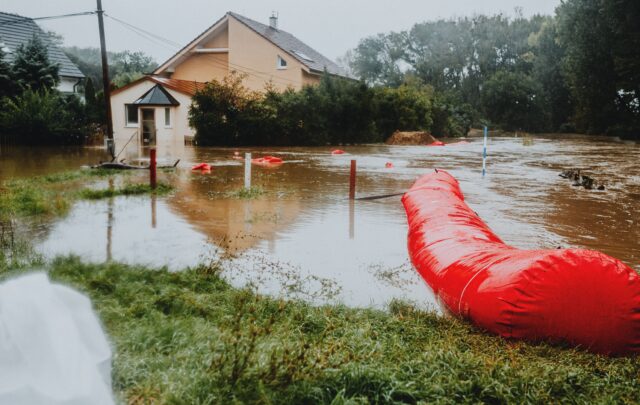
Repeated storms are turning disaster recovery into a way of life, and leaving communities facing disaster fatigue
As storms intensify in our warming world, recovery no longer feels permanent in places at risk of disasters. Instead, it’s too often a temporary reprieve before the next disaster hits. Recognizing community disaster fatigue is an important step toward building resilient recovery systems.
July 17, 2026

