

Emma Bryce is a freelance journalist based in London, where she writes about the environment, technology and food. Her work has appeared in Wired Magazine, TED Education, the New York Times, and in the Guardian, where she writes about food and the environment. Contact her at twitter.com/EmmaSAanne
'SELECT SQL_CALC_FOUND_ROWS wp_posts.ID
FROM wp_posts INNER JOIN wp_postmeta ON ( wp_posts.ID = wp_postmeta.post_id )
WHERE 1=1 AND (
wp_posts.ID NOT IN (
SELECT object_id
FROM wp_term_relationships
WHERE term_taxonomy_id IN (47485,47486)
)
) AND (
(
( wp_postmeta.meta_key = \'the_author\' AND wp_postmeta.meta_value = \'3391252\' )
OR
( wp_postmeta.meta_key = \'secondary_author\' AND wp_postmeta.meta_value LIKE \'{a8a87a6d0ad46700a881c8a3508af8839aec311c96cfd79466c80a9defb7b974}\\"3391252\\"{a8a87a6d0ad46700a881c8a3508af8839aec311c96cfd79466c80a9defb7b974}\' )
)
) AND wp_posts.post_type = \'post\' AND ((wp_posts.post_status = \'publish\'))
GROUP BY wp_posts.ID
ORDER BY wp_posts.post_date DESC
LIMIT 0, 6'
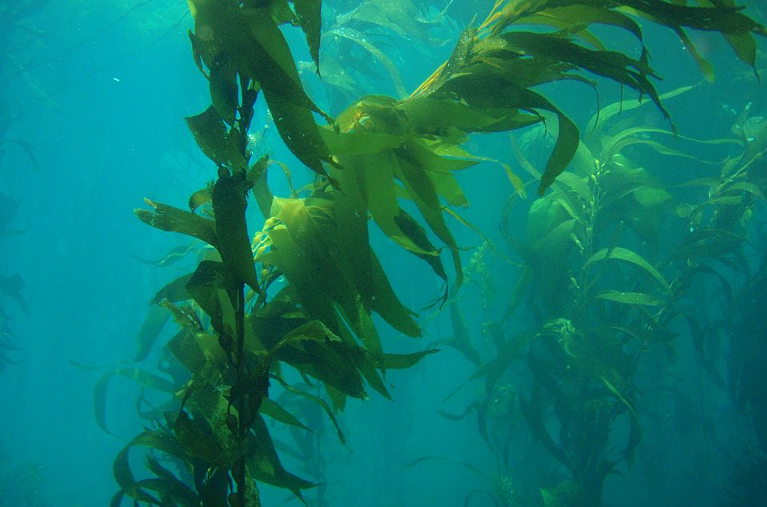
Can the Forests of the World’s Oceans Contribute to Alleviating the Climate Crisis?
On the back of her research, Krause-Jensen is optimistic about the carbon sequestration potential of kelp and the possibility that it could be dramatically enlarged by sustainable farming.
July 6, 2020
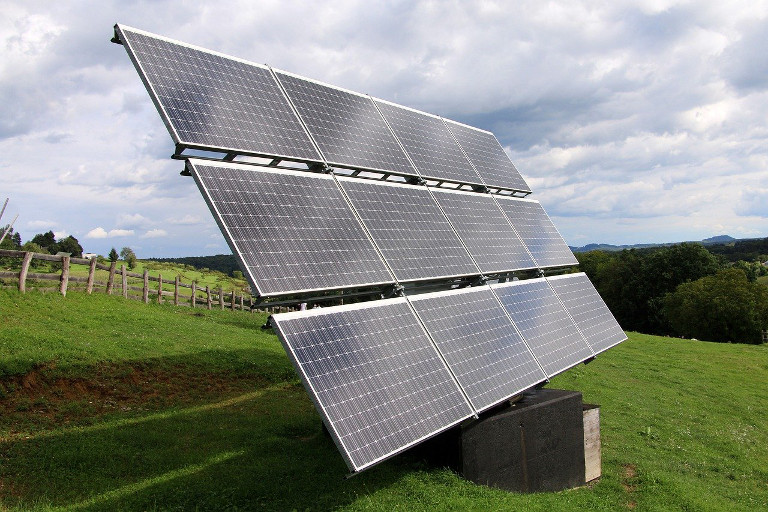
Germany’s Transition from Coal to Renewable Energy Offers Lessons for the Rest of the World
But what does the transition mean for residents of Essen and the rest of the Ruhr region — the former industrial coal belt — whose lives and livelihoods have been dramatically altered by the reduced demand for coal? The answer to that could hold some useful lessons for those undergoing similar transitions elsewhere.
August 10, 2017

