

Ellen Brown is an attorney, founder of the Public Banking Institute, and author of twelve books including the best-selling Web of Debt. Her latest book, The Public Bank Solution, explores successful public banking models historically and globally. Her 200+ blog articles are at EllenBrown.com.
'SELECT SQL_CALC_FOUND_ROWS wp_posts.ID
FROM wp_posts INNER JOIN wp_postmeta ON ( wp_posts.ID = wp_postmeta.post_id )
WHERE 1=1 AND (
wp_posts.ID NOT IN (
SELECT object_id
FROM wp_term_relationships
WHERE term_taxonomy_id IN (47485,47486)
)
) AND (
(
( wp_postmeta.meta_key = \'the_author\' AND wp_postmeta.meta_value = \'1151722\' )
OR
( wp_postmeta.meta_key = \'secondary_author\' AND wp_postmeta.meta_value LIKE \'{67f209ad1723357caaf6ff54c394372a2ea5b9f889e4d22d8932e646b0ec08ba}\\"1151722\\"{67f209ad1723357caaf6ff54c394372a2ea5b9f889e4d22d8932e646b0ec08ba}\' )
)
) AND wp_posts.post_type = \'post\' AND ((wp_posts.post_status = \'publish\'))
GROUP BY wp_posts.ID
ORDER BY wp_posts.post_date DESC
LIMIT 0, 6'

The Key to the Environmental Crisis Is Beneath Our Feet
There is a much cheaper and faster way to sequester carbon from the atmosphere that doesn’t rely on these corporate giants to transition us to 100% renewables. Additionally, it can be done while at the same time reducing the chronic diseases that impose an even heavier cost on citizens and governments. Our most powerful partner is nature itself, which over hundreds of millions of years has evolved the most efficient carbon sequestration system on the planet.
January 2, 2020
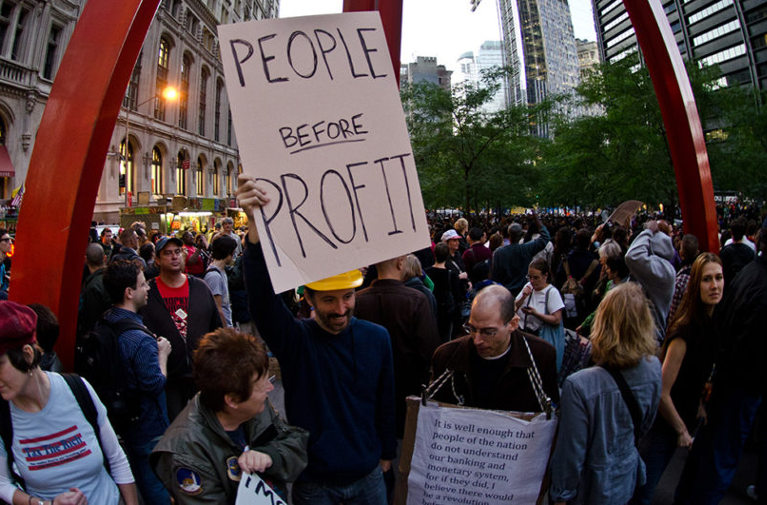
Author Ellen Brown Discusses how Public Banking can Create Shared Prosperity
Public banking is one alternative model, and the grassroots movement that has formed around it intends to radically reimagine the banking system in the United States. Working with legislators across the US, advocates are pushing for the creation of public banks on the municipal, county and state levels.
August 13, 2019
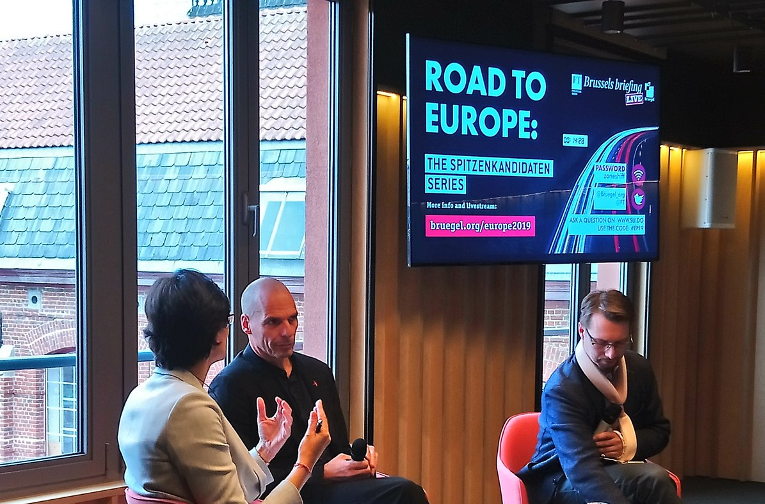
Monetary Policy Takes Center Stage: MMT, QE or Public Banks?
As alarm bells sound over the advancing destruction of the environment, a variety of Green New Deal proposals have appeared in the US and Europe, along with some interesting academic debates about how to fund them.
March 26, 2019
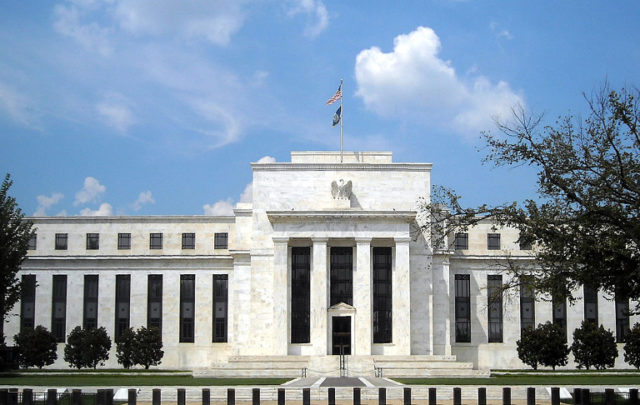
Fox in the Hen House: Why Interest Rates Are Rising
The Fed is aggressively raising interest rates, although inflation is contained, private debt is already at 150% of GDP, and rising variable rates could push borrowers into insolvency. So what is driving the Fed’s push to “tighten”?
April 24, 2018
The Public Bank Option – Safer, Local and Half the Cost
Phil Murphy, a former banker with a double-digit lead in New Jersey’s race for governor, has made a state-owned bank a centerpiece of his platform. If he wins on November 7, the nation’s second state-owned bank in a century could follow.
November 7, 2017
How to Fund a Universal Basic Income Without Increasing Taxes or Inflation
In a stagnant economy, a UBI can create the demand needed to clear the shelves of unsold products and drive new productivity. Robots do not buy food, clothing, or electronic gadgets. Demand must come from consumers, and for that they need money to spend.
October 11, 2017

