

Plant biologist and science communicator
'SELECT SQL_CALC_FOUND_ROWS wp_posts.ID
FROM wp_posts INNER JOIN wp_postmeta ON ( wp_posts.ID = wp_postmeta.post_id )
WHERE 1=1 AND (
wp_posts.ID NOT IN (
SELECT object_id
FROM wp_term_relationships
WHERE term_taxonomy_id IN (47485,47486)
)
) AND (
(
( wp_postmeta.meta_key = \'the_author\' AND wp_postmeta.meta_value = \'3478633\' )
OR
( wp_postmeta.meta_key = \'secondary_author\' AND wp_postmeta.meta_value LIKE \'{9f8b598d751afb91a69ff6a135ce0e64f9e60500dc128d7d18495e110ad68c33}\\"3478633\\"{9f8b598d751afb91a69ff6a135ce0e64f9e60500dc128d7d18495e110ad68c33}\' )
)
) AND wp_posts.post_type = \'post\' AND ((wp_posts.post_status = \'publish\'))
GROUP BY wp_posts.ID
ORDER BY wp_posts.post_date DESC
LIMIT 0, 6'
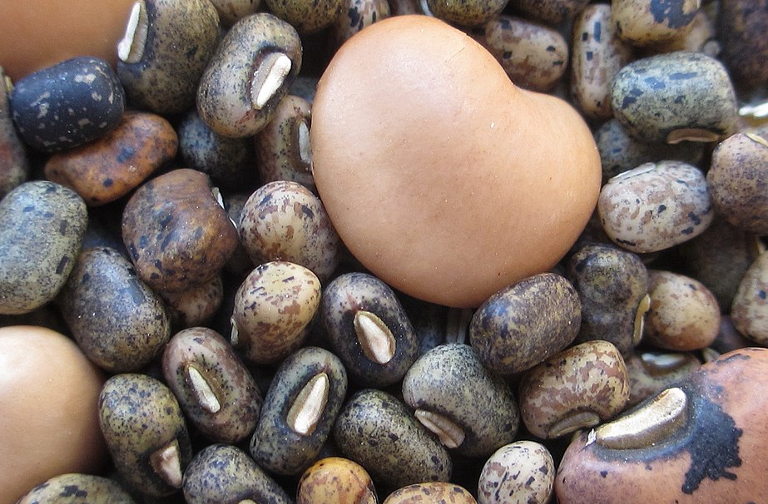
This Crop is Helping us Understand Humanity’s Nomadic Past — and Prepare for a Hotter, Drier Future
Cowpea production has declined in the U.S. in recent decades. But with drought caused by climate change and depleted aquifers leaving farmlands in regions of India, the U.S., Africa and elsewhere high and dry, Close thinks the time is right to bring cowpeas back in vogue — and he’s doing his part.
September 19, 2019

