

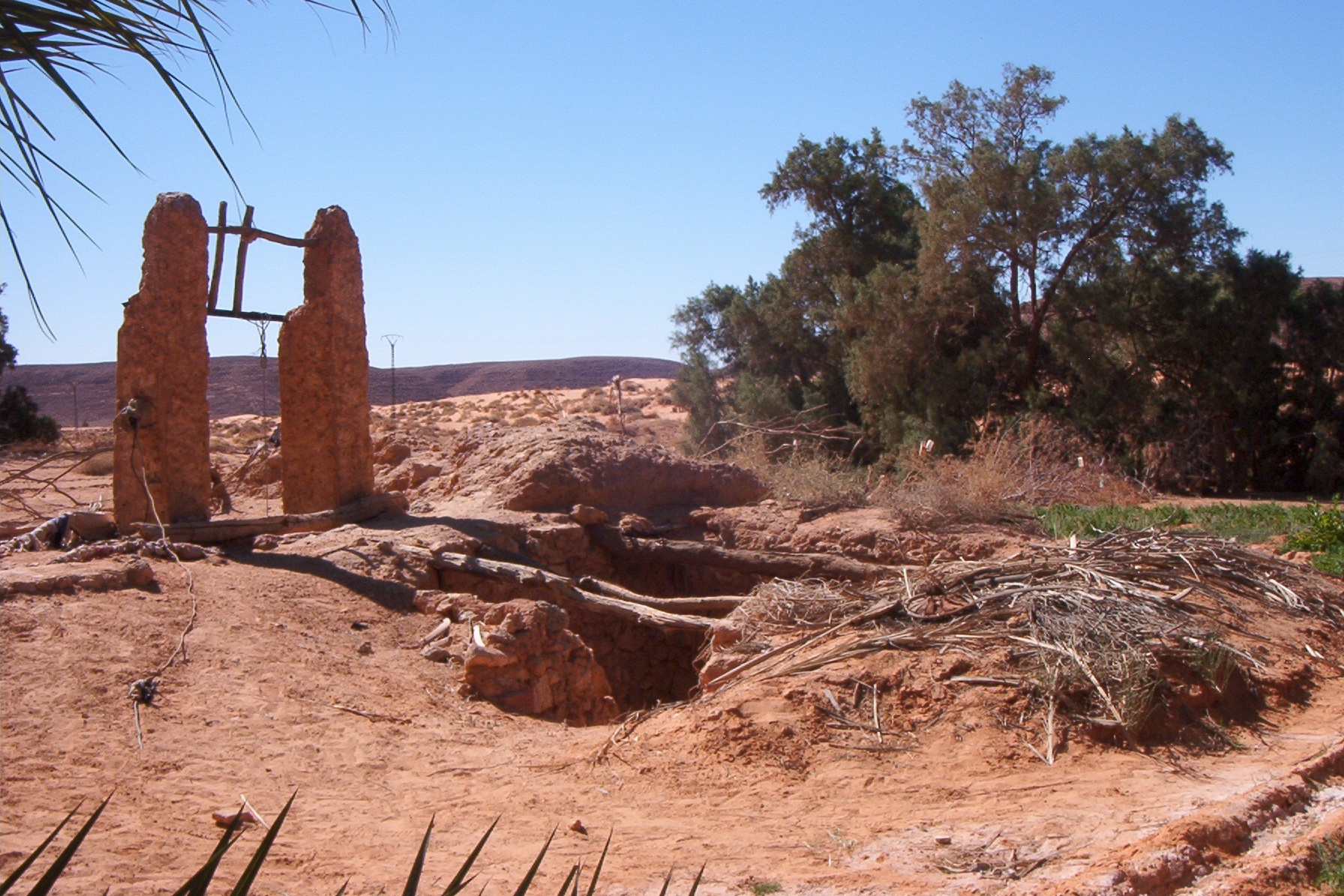
The Sahara is often described through the language of scarcity. Yet its landscapes tell a more complex story. Across the region, rainfall is irregular, rivers are intermittent and water availability varies considerably from one place to another. For centuries, communities have developed ways of living with these conditions, capturing occasional flows, protecting soils and organising water around oases.
Today, climate change and growing pressure on natural resources make these lessons particularly relevant. The challenge is not only to secure water supplies, but also to restore the capacity of dryland landscapes to receive, retain and circulate water.
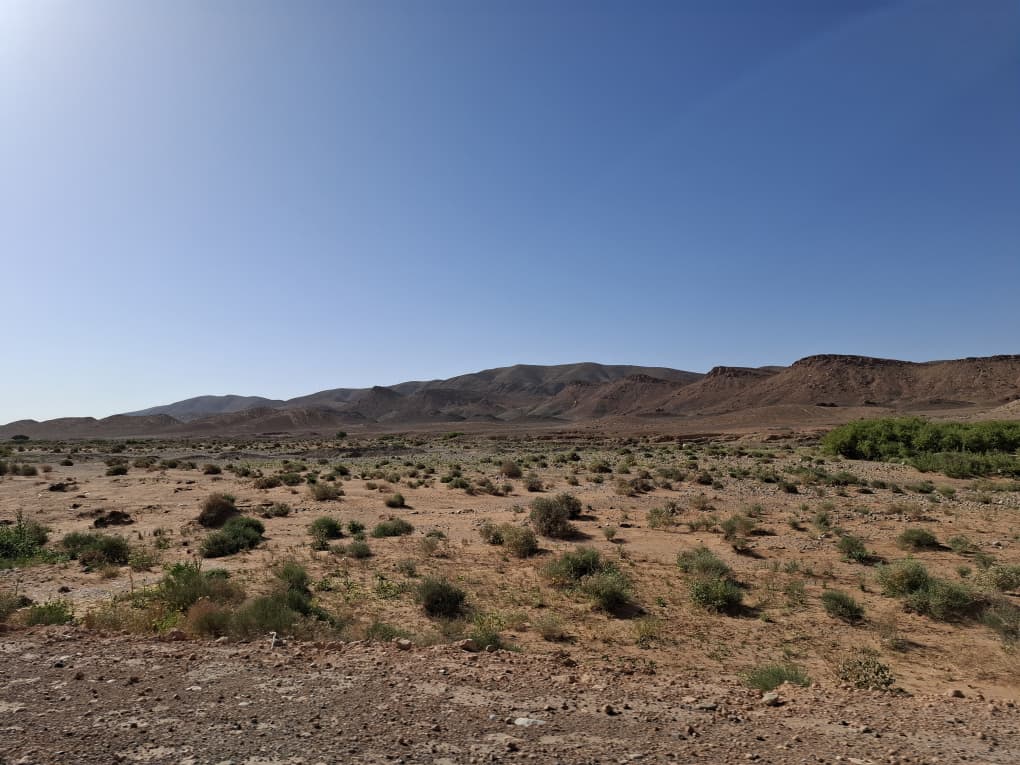
In arid environments, a rainfall event can be brief but intense. When soils are compacted, degraded or deprived of vegetation, water runs off quickly. It may cause erosion and flooding without sufficiently replenishing the soil or groundwater.
The condition of the landscape therefore matters. Vegetation slows surface flows, roots improve soil structure, organic matter contributes to water retention, and natural depressions can temporarily store rainfall.
These processes are not a substitute for engineered water infrastructure. They are part of a wider system that can improve the performance and resilience of territories.
A practical approach is to work with the natural movement of water: slow it where it accelerates, encourage infiltration where soils can absorb it, and restore vegetation adapted to local ecological conditions.
Algeria’s Saharan oases contain a rich heritage of water management. Foggaras, traditional irrigation networks, palm groves and carefully organised agricultural plots demonstrate how communities have adapted to limited and variable resources.
These systems should not be treated merely as historical remains. Their underlying principles — collective management, careful distribution, adaptation to local conditions and respect for the limits of water resources — remain relevant.
The same applies to traditional techniques for harvesting runoff and managing floodwater. Their rehabilitation, where technically and socially appropriate, can complement modern infrastructure and provide practical solutions at a local scale.
The objective is not to reproduce the past exactly. It is to combine accumulated local knowledge with contemporary hydrological science, engineering and ecological restoration.
Fertile Hydrology: reconnecting water, soil and life
I use the term ‘Fertile Hydrology’ to describe an approach that considers water, soil, vegetation, biodiversity and human activity as interconnected components of a territory.
Its practical sequence is simple:
Slow → Infiltrate → Vegetate.
First, reduce the speed and erosive force of runoff through appropriate landscape design. Then increase infiltration and soil-water retention. Finally, support vegetation that is adapted to local conditions and contributes to soil stability and biodiversity.
Depending on the site, this may involve stone lines, small check dams, half-moon structures, infiltration basins, vegetated drainage channels, restoration of wadis and the protection of natural depressions.
The choice of technique must follow a diagnosis of local soils, slopes, rainfall patterns, groundwater conditions and land use. There is no universal solution for all drylands.
From isolated projects to living territories
A promising way forward is to test integrated restoration at the scale of a village, oasis, agricultural area or small catchment.
Such initiatives could combine rainwater harvesting from roofs and public facilities, greywater treatment and reuse, soil restoration, native vegetation and improved management of intermittent streams. Schools, mosques, public buildings and housing developments could also contribute to local water retention. Their roofs and surrounding spaces can become part of a distributed system for collecting and managing rainfall.
Kenadsa and the wider Saoura region could provide a setting for exploring these possibilities, bringing together local practitioners, researchers, public institutions and communities. The purpose would be to develop and evaluate practical methods, not to present one territory as a universal model.
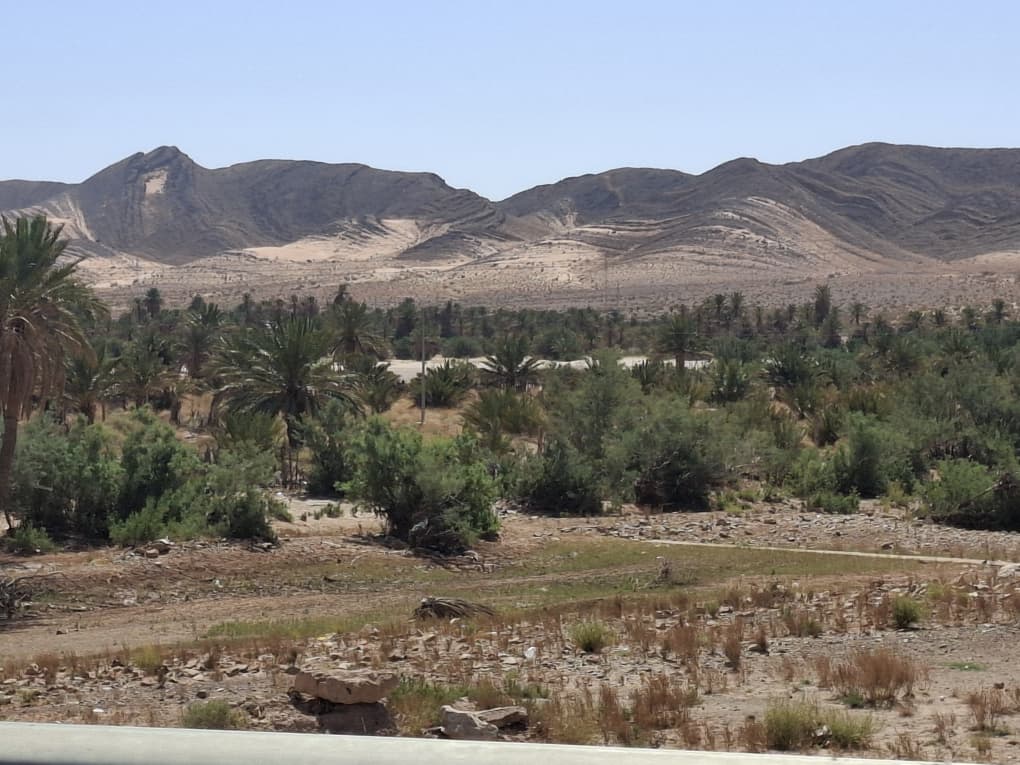
Restoring drylands is not simply a matter of planting trees or building water-retention structures. It means rebuilding relationships between water, soil, vegetation, biodiversity and the people who depend on them.
Algeria’s oasis heritage, engineering experience and ecological diversity provide a valuable foundation for this work.
The future of dryland resilience will depend not only on how much water societies can mobilise, but also on how effectively they can help their territories retain and renew it.
In the Sahara, restoration begins by recognising that water is not only a resource to be extracted. It is also a process that sustains living landscapes.
Editor’s note: English is not the author’s first language. The author has disclosed that this piece was translated with the assistance of AI tools.


Comments