What might happen to innovation when we shift our goals towards making societies happier and more equitable, within planetary boundaries?
What does innovation look like when profit and capital accumulation aren’t the goal? I think about this often. Over a year ago, I began exploring this question in the context of technological innovation. Watching the AI arms race unfold between major tech companies, all claiming their innovations would reshape our lives, I wondered: what’s the point? The answer was, and remains, for profit. To increase shareholder value. To win against the other tech bros. More recently, I’ve returned to this question about innovation in the context of post-growth futures.
Capitalist proponents argue that innovation, and human ambition, is driven by the desire to gain capital and financial security. However, innovation in our current imagining has led to extraction of resources and depletion of people and planet. With this in mind, how will innovation be re-imagined in the context of a post-growth economy? How will we, as humans not driven by capitalistic gains, be incentivized to innovate?
Is new always better?
Innovation is currently defined as ‘introduction of a new idea, or new methods’ — emphasizing that ‘new’ is an essential aspect of innovation. Many would argue that innovation leads to better outcomes — that innovation (and by extension newness) is better. But when we look around at our current environmental and societal outcomes, this doesn’t ring true. We’re in the midst of climate breakdown, mass biodiversity loss, poverty persists, and mental health issues are commonplace across a range of communities. This isn’t to say that ‘new’ things haven’t led to better outcomes for humanity; medical advancements, for example, have seen decreases in child mortality and increases in life expectancy.
But new hasn’t always made things better, and if we continue to ‘innovate,’ where does it stop? In 1972, The Limits to Growth predicted that at some point during this century our planet would essentially collapse. So far, the model used in this book is quite accurate to our current reality. This book argued that on a planet of finite resources there must be a stopping point. This idea of a limit is necessary to how we reimagine innovation. There must be a point where we reach our peak. When our systems, technologies, resource extraction are absolutely optimised, there’s nowhere further to go. This shouldn’t be a breaking point, however — rather, this is the point where we as a society say ‘this is enough, this works’.
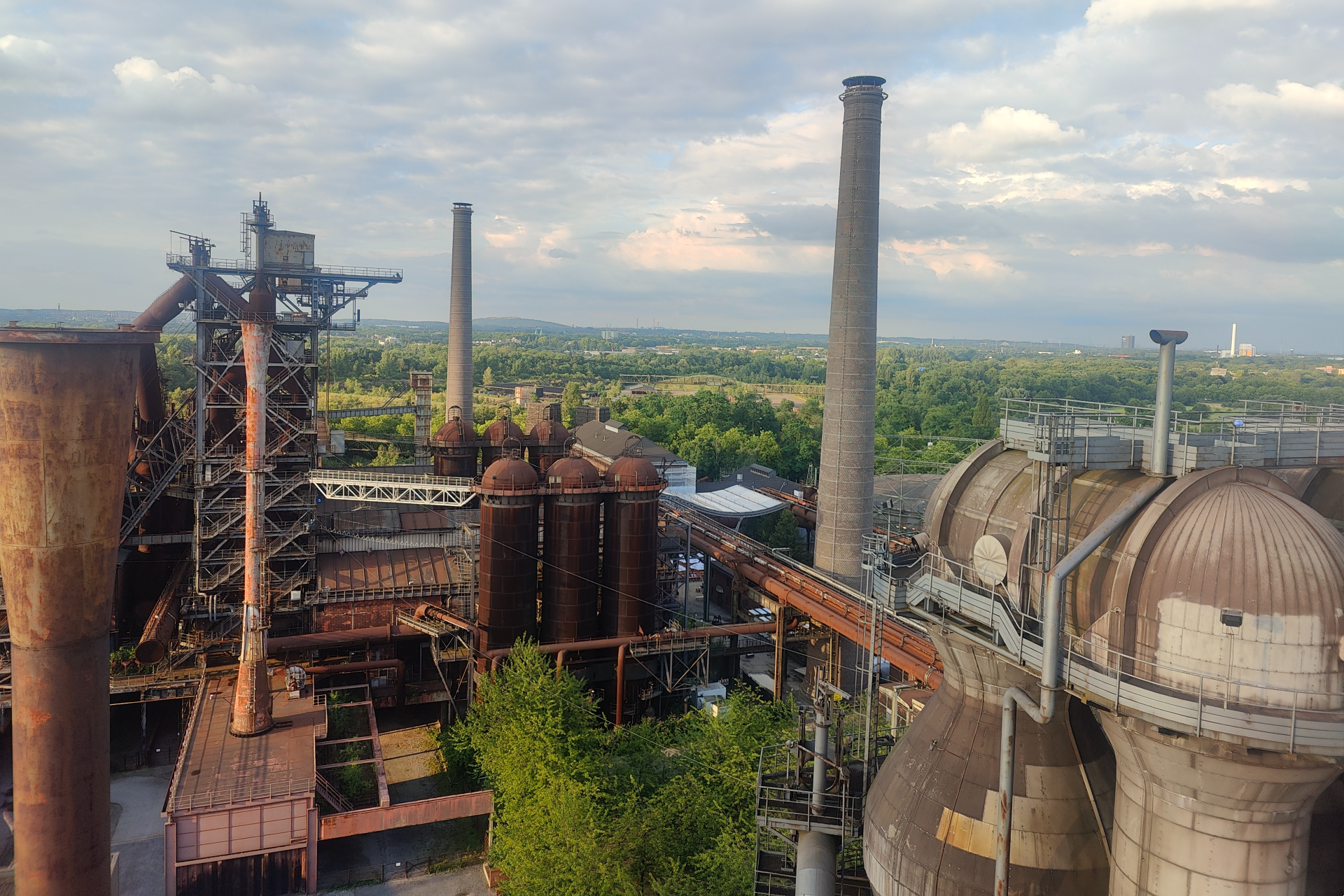
Take the iPhone. Roughly every year Apple presents a new iteration: maybe the camera is clearer, the storage is higher, perhaps the phone is thinner than previous models, ‘optimized’ by Apple innovation. But approximately two years later, that phone runs slower. It’s no longer compatible with the latest iOS. Surely, innovative technologies would be adaptable and enduring. Instead, planned obsolescence provides an opportunity for Apple to ensure that we buy new phones. Their incentive to ‘innovate’ is profit-driven. Innovation in this context demands that profit be the outcome, in this way innovation and capitalism are deeply intertwined. The growth imperative of capitalism is applied to innovation. We continue to push the needle of what we can create, extracting resources beyond our planetary boundaries and simultaneously produce waste.
Centering mutual aid
Moving away from our current understanding of innovation, how can we create a new definition of innovation that is aligned with a post-growth world? We need to consider where innovation has been beneficial and focus on investing our time, energy, and resources into furthering innovation in those spaces. Our ultimate goal should be making our societies more equitable and happier, within our planetary boundaries.
Looking at the world’s happiest countries, a few patterns become clear. Firstly, GDP is not always an indicator of happiness — as shown by Mexico (10th) and Costa Rica (6th). Secondly, robust social welfare and health, strong community, generosity, and high levels of trust are key factors in a country’s happiness. Another key insight from the most recent report is that caring, or benevolent acts of kindness, is directly related to an increase in happiness. This was measured by whether people volunteer, donate and/or help strangers. All of these acts can act as a proxy for mutual aid. The report suggests that people doing these acts, and believing that others will do them too, led to an increase in happiness.
In Sweden, which is fourth in the list of happiest countries,the concept of lagom, or ‘just enough,’ might also give insight into how we truly reach happiness. Prioritizing people’s happiness and equity is paramount to post-growth innovation. Shifting away from financial incentives towards community wellbeing is at the core of this work. Making mutual aid the cornerstone of innovation will not only lead to people being happier, it is also likely to reduce the potential harms and waste of previous versions of ‘innovations’. Our starting point becomes ‘who can I support and care for’ rather than ‘what will ensure financial gain’. Innovation in a post-growth economy might ask questions such as:
- How can this benefit my community?
- Who can I build this with?
- Who can I learn from?
- Who can I share resources with?
- Is this necessary?
- Is this genuinely better than what we already have?
- Is this a good use of resources?
- Who, or what, might this harm?
Exploring questions such as these presents the opportunity to truly build better. With all this in mind, I invite you to consider other questions that post-growth innovation would engage with, and how you would redefine innovation. In a post-growth world innovation is born out of the desire to meaningfully support our communities. It asks questions about resource extraction, waste, inclusion (and exclusion), who can this help, and — most vitally — is this necessary?
Inspired by this article? Here are some ideas for further reading:
- ‘Democratic Innovative Finance,’ by 2024 Post Growth Fellow, Ekin Al.