

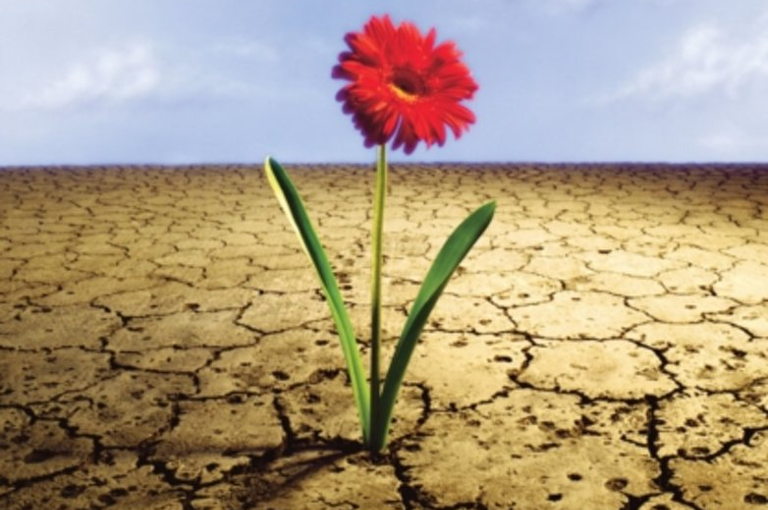
The biosphere and econosphere are deeply interlinked and both are in crisis. Industrial, fossil-fuel based capitalism delivered major increases in living standards from the mid-18th through late-20th centuries, but at the cost of widespread ecosystem destruction, planetary climate change, and a variety of economic injustices. Furthermore, over the past 40 years, the gains of growth have flowed almost exclusively to the top 10%, fuelling populist anger across many countries, endangering both democracy and global action on climate change. This talk will argue that underlying the current dominant model of capitalism are a set of theories and ideologies that are outdated, unscientific, and morally unsound. New foundations can be built from modern understandings of human behaviour, complex systems science, and broad moral principles. By changing the ideologies, narratives, and memes that govern our economic system, we can create the political space required for the policies and actions required to rapidly transform to a sustainable and just economic system. Oxford Martin School, University of Oxford www.oxfordmartin.ox.ac.uk
Related Articles
'SELECT SQL_CALC_FOUND_ROWS wp_posts.ID
FROM wp_posts LEFT JOIN wp_term_relationships ON (wp_posts.ID = wp_term_relationships.object_id)
WHERE 1=1 AND wp_posts.ID NOT IN (3479869) AND (
wp_term_relationships.term_taxonomy_id IN (2,8994)
) AND wp_posts.post_type = \'post\' AND ((wp_posts.post_status = \'publish\'))
GROUP BY wp_posts.ID
ORDER BY wp_posts.post_date DESC
LIMIT 0, 3'
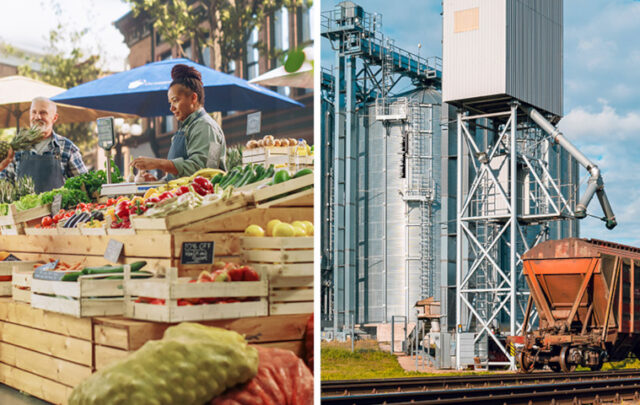
How eco-localism differs from tariff terrorism
As soaring consumer prices, supply chain disruptions, and reductions in government-provided funding and services threaten communities, localists can help bolster local markets and inspire mutual aid efforts, helping mobilize folks to take more responsibility for their own collective resilience and well-being.
September 1, 2026
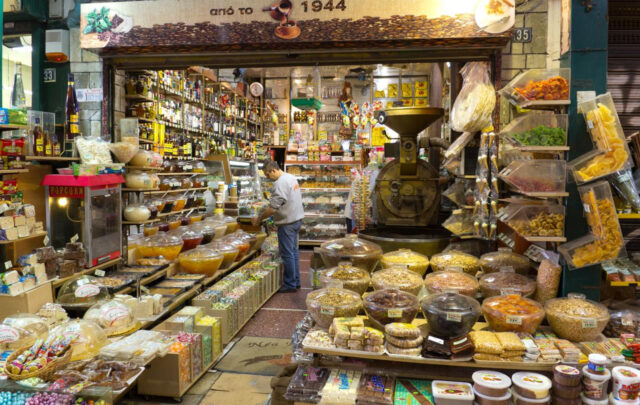
Beyond the supermarket: What Greece’s alternative food networks teach us about degrowth
Thessaloniki’s grassroots food networks offer a glimpse of what food systems organized around care and democracy, rather than profit and endless growth, can look like.
August 27, 2026

The case for smartphones as a contributor to falling birth rates
Among economic stress, affordability, and climate change dread, is smartphone use another factor in the downward trend in fertility rates?
August 26, 2026

