Pop quiz! A friend of yours has just had an unfortunate chainsaw accident and cut a femoral artery: do you (a) make a tourniquet with your t-shirt, or (b) stick a Band-Aid on the wound? If you picked (b), congratulations! You’ve followed the instruction manual for humanity’s pathetic response to climate change. In this final episode of season 1, Asher, Rob, and Jason consider the psychology behind both inaction and effective action in these times of crisis. And for the very practical-minded, they also cover when to prescribe tobacco poultices and whiskey shots — good fun for the whole family.
Milton Friedman’s quote from the preface to his book, Capitalism and Freedom (1962): “Only a crisis – actual or perceived – produces real change. When that crisis occurs, the actions that are taken depend on the ideas that are lying around. That, I believe, is our basic function: to develop alternatives to existing policies, to keep them alive and available until the politically impossible becomes the politically inevitable.”
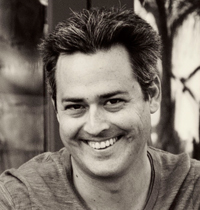
Asher became the Executive Director of Post Carbon Institute in October 2008, after having served as the manager of our former Relocalization Network program. He’s worked in the nonprofit sector since 1996 in various capacities. Prior to joining Post Carbon Institute, Asher founded Climate Changers, an organization that inspires people to reduce their impact on the climate by focusing on simple and achievable actions anyone can take.
'SELECT SQL_CALC_FOUND_ROWS wp_posts.ID
FROM wp_posts LEFT JOIN wp_term_relationships ON (wp_posts.ID = wp_term_relationships.object_id)
WHERE 1=1 AND wp_posts.ID NOT IN (3477191) AND (
wp_term_relationships.term_taxonomy_id IN (1,2,3,8988,8994,46432,47210,47212,47214,47441,47503,47544)
) AND wp_posts.post_type = \'post\' AND ((wp_posts.post_status = \'publish\'))
GROUP BY wp_posts.ID
ORDER BY wp_posts.post_date DESC
LIMIT 0, 3'
The veneration of solar has taken up the oxygen in the climate conversation. While we have a modest array ourselves, I’m worried solar has been presented to the climate-worried public as a panacea, as if a wholesale switch to solar would stabilize the climate.
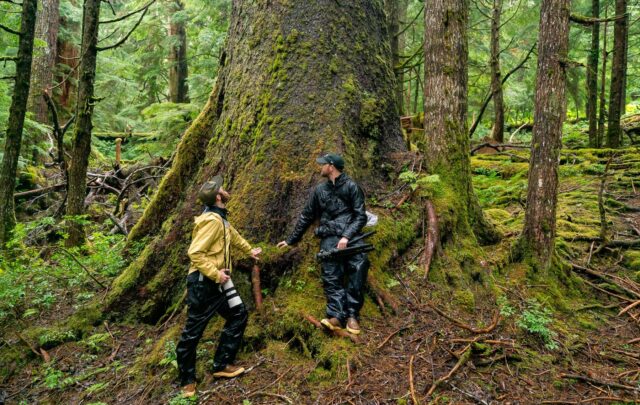
It’s referred to as Unit 346 in the Twin Mountain II timber sale. On the ground, it’s some of the most spectacular old-growth we’ve ever witnessed, and it’s marked for clearcutting.
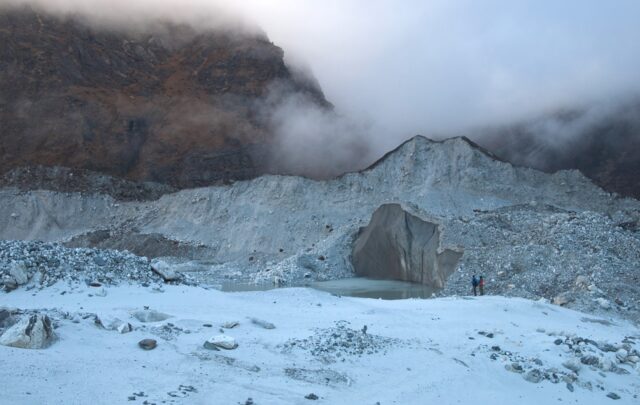
The catastrophic flood that killed hundreds of people in Nepal in August shows the ways rising temperatures, thawing permafrost and melting ice are increasing the risk of destructive floods in the Himalayas and other regions around the world.
September 17, 2026
Comments
Welcome to the new Resillience commenting system!
We have moved from the former Disqus commenting system to a new system as of September 10, 2026.
Your past comments have not disappeared.
You can log in with your old Disqus credentials, as well as Gmail credentials or a Resilience account (formerly Resilience+). Login with Facebook and other credentials is coming soon.
We made this change because of privacy concerns regarding Disqus. It's also part of a set of changes to bring more services to the Resilience community under a single login: commenting, (coming September 2026), and online courses (coming 2027). Unfortunately, your old Disqus comments may not reliably link to your account in this new system. Please contact us if you have any questions or concerns.






Comments
Welcome to the new Resillience commenting system!
We have moved from the former Disqus commenting system to a new system as of September 10, 2026.
We made this change because of privacy concerns regarding Disqus. It's also part of a set of changes to bring more services to the Resilience community under a single login: commenting, (coming September 2026), and online courses (coming 2027). Unfortunately, your old Disqus comments may not reliably link to your account in this new system. Please contact us if you have any questions or concerns.