

If you’re someone who’s curious about the geopolitical implications of carbon fuel and the ecological havoc it wreaks, you’ve probably come across some of Richard Heinberg‘s work. This week on Sea Change Radio, we speak with this senior fellow at the Post Carbon Institute who has authored over 13 books and regularly ponders the past and future of humanity and the earth in his Museletter. We discuss the global debt crunch, the search for tight oil, and the concomitant acceleration of climate change. Heinberg also tells us his thoughts on negative emissions technologies and regenerative agriculture, and explains why he refers to the past ten years as “our bonus decade.”

Related Articles
'SELECT SQL_CALC_FOUND_ROWS wp_posts.ID
FROM wp_posts LEFT JOIN wp_term_relationships ON (wp_posts.ID = wp_term_relationships.object_id)
WHERE 1=1 AND wp_posts.ID NOT IN (3474851) AND (
wp_term_relationships.term_taxonomy_id IN (1,3,5)
) AND wp_posts.post_type = \'post\' AND ((wp_posts.post_status = \'publish\'))
GROUP BY wp_posts.ID
ORDER BY wp_posts.post_date DESC
LIMIT 0, 3'
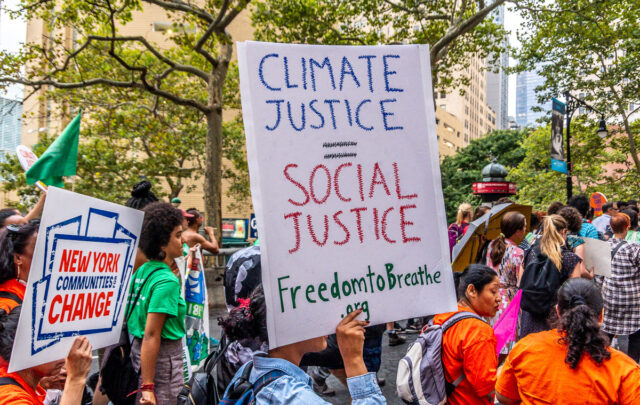
Indigenous women already have the climate solutions
Three emerging feminist leaders have a vision for real climate action — and it starts with centering the voices of youth, women and Indigenous people.
August 31, 2026
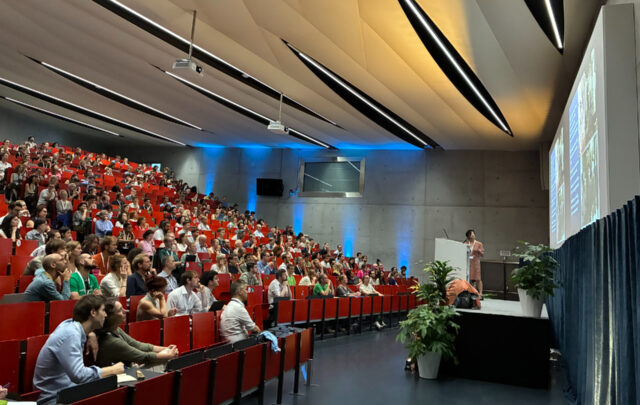
‘It is possible to find academic spaces where radical ideas can be created’: A defence of academia at the end of the world
As authoritarianism, military tensions, and temperatures rise, it is easy to look at the end of the world as we know it and ask what the point of academia is.
August 31, 2026

Forest Service “restructuring” is bad news for public lands
The Trump administration’s “restructuring” plans for the Forest Service will torpedo federal capacity to manage national forests, close regional offices, and shutter more than half of its research labs.
August 28, 2026

