

In this podcast episode, guest Joel Stronberg gives a U.S. midterms election update, and outlines what might happen in Washington D.C. before November and what the renewables industry should be thinking about beyond election day.

Related Articles
'SELECT SQL_CALC_FOUND_ROWS wp_posts.ID
FROM wp_posts LEFT JOIN wp_term_relationships ON (wp_posts.ID = wp_term_relationships.object_id)
WHERE 1=1 AND wp_posts.ID NOT IN (3471566) AND (
wp_term_relationships.term_taxonomy_id IN (1,3)
) AND wp_posts.post_type = \'post\' AND ((wp_posts.post_status = \'publish\'))
GROUP BY wp_posts.ID
ORDER BY wp_posts.post_date DESC
LIMIT 0, 3'
It’s the end of growth as we know it
Beyond living standards, economic growth has shaped how societies cope with shocks and distribute gains. As growth weakens, these less visible functions may prove just as consequential as its economic effects.
June 26, 2026
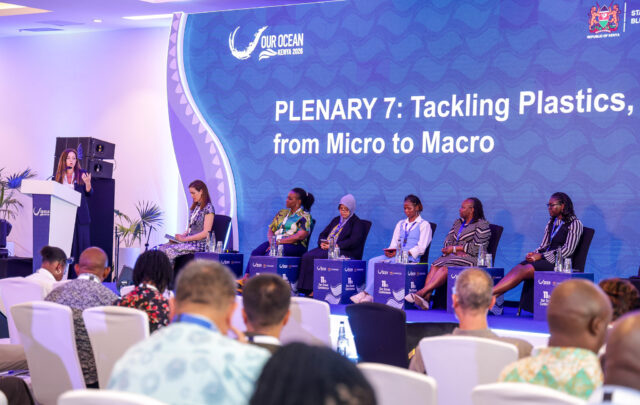
Mombasa: Key outcomes from the Our Ocean Conference in Kenya
A major ocean conference has ended in Mombasa, Kenya, with just a handful of countries committing to high-level political declarations on banning deep-sea mining, protecting climate-resilient coral reefs and combatting illegal fishing.
June 25, 2026
In defense of “nature”: why the word still matters in the age of AI
“Nature” is often cast as a word that separates humans from non-humans. But it can also mean something much larger: the universe, the course of things, the great event we live within. It’s a word worth defending.
June 25, 2026

