

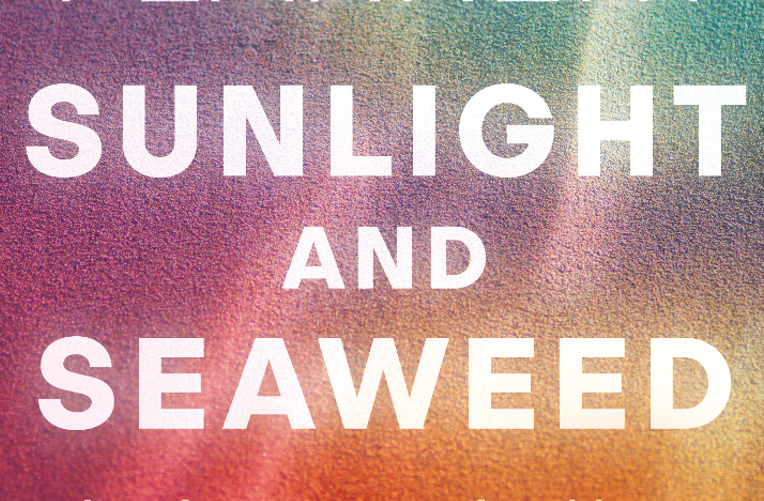
The marvelous Prof Tim Flannery was once described by the Financial Times as akin to a cross between Charles Darwin and Indiana Jones for his pioneering mammalogy and paleontology field work. But he gave up this adventurous life to focus on climate change writing and campaigning. Tim drops into the studio and we discuss why, and talk about his new book (his second follow up to the highly influential The Weather Makers): Sunlight and Seaweed: An Argument For How To Feed, Power, and Clean Up The World.
Related Articles
'SELECT SQL_CALC_FOUND_ROWS wp_posts.ID
FROM wp_posts LEFT JOIN wp_term_relationships ON (wp_posts.ID = wp_term_relationships.object_id)
WHERE 1=1 AND wp_posts.ID NOT IN (3467941) AND (
wp_term_relationships.term_taxonomy_id IN (1,3,8988,8995)
) AND wp_posts.post_type = \'post\' AND ((wp_posts.post_status = \'publish\'))
GROUP BY wp_posts.ID
ORDER BY wp_posts.post_date DESC
LIMIT 0, 3'

Forest Service “restructuring” is bad news for public lands
The Trump administration’s “restructuring” plans for the Forest Service will torpedo federal capacity to manage national forests, close regional offices, and shutter more than half of its research labs.
August 28, 2026

Affordability, not scarcity, is the real energy crisis
In this post, I examine differences in economic behaviour by comparing two types of periods: those with low energy affordability and those with high energy affordability.
August 26, 2026

The Australian oyster reef revival
A successful restoration project on the Adelaide coast is raising hopes for the future of a long-lost ecosystem.
August 25, 2026

