NOTE: Images in this archived article have been removed.
 The second in a 3-part series of teleseminars on economic transformation by Marco Vangelisti.
Money and Banking system
Currently, the money and banking systems are conflated (money is mostly created as debt by the banking system) and by their very design they demand continuous economic growth and an ever expanding level of debt (public and private). There is very little understanding in the general public about what money is, how it is created and how the banking system operates. Only a fundamental shift in the design of the monetary and banking systems will allow for a viable way of addressing increasing inequality, the mounting problem of public and private debt and make possible a shift towards a sustainable steady-state economy that works for everybody and is compatible with environmental stewardship.
Reference materials
Marco came to the US from Italy as a Fulbright scholar in mathematics and economics at the University of California in Berkeley. After a stint in the financial industry, Marco worked as visual artist on a full-time basis for 5 years and obtained a MFA focusing on the intersection between public art and ecology. He later worked for 6 years for Grantham, Mayo, Van Otterloo & Co. LLC ("GMO"), managing investment equity portfolios primarily on behalf of large foundations and endowments.
In April 2009 Marco left the finance industry and has since been instrumental in the formation and development of the Slow Money Northern California chapter where he currently leads the investor working group. Marco is currently developing Essential Knowledge for Transition– a curriculum for engaged citizens to understand the money and banking system, the economic system and the financial system and how we need to transform them. Marco is also helping communities increase their capacity for local investing.
Tags: banking, Economics for Transition, finance, Transition movement
Related Articles
'SELECT SQL_CALC_FOUND_ROWS wp_posts.ID
FROM wp_posts LEFT JOIN wp_term_relationships ON (wp_posts.ID = wp_term_relationships.object_id)
WHERE 1=1 AND wp_posts.ID NOT IN (2139511) AND (
wp_term_relationships.term_taxonomy_id IN (2,8988)
) AND wp_posts.post_type = \'post\' AND ((wp_posts.post_status = \'publish\'))
GROUP BY wp_posts.ID
ORDER BY wp_posts.post_date DESC
LIMIT 0, 3'
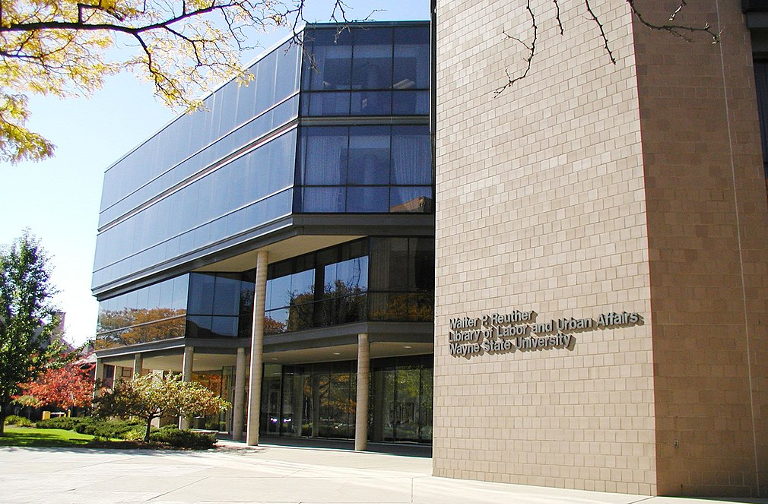
By Marianne Dhenin, YES! magazine
Labor activists take steps to preserve the documents and strategies they use today, so future organizers will have a practical guide.
September 8, 2026
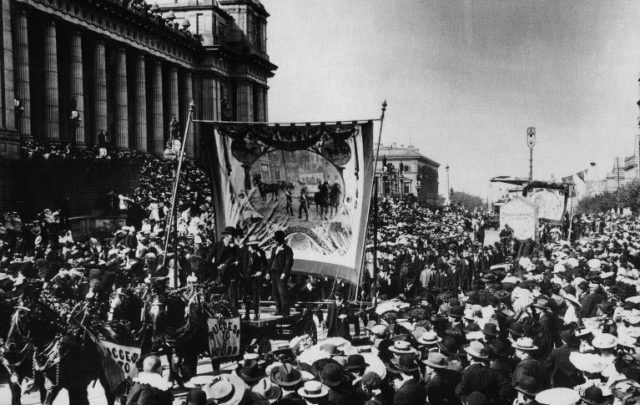
By George Lakey, Waging Nonviolence
Two ways we can honor unions at this time of trial are to ask others to join union picket lines and to learn from their innovations and successes for whatever campaigns we are committed to today.
September 7, 2026
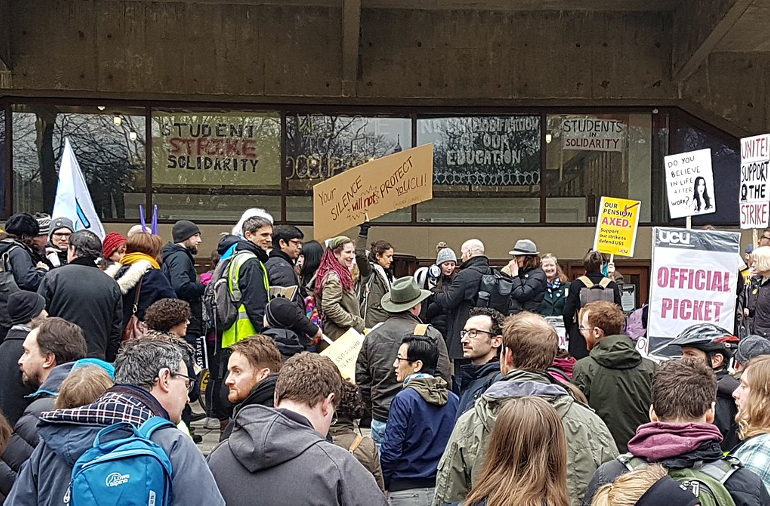
By Paul O’Connell, Red Pepper
To rebuild the trade union movement, to meaningfully defend the right to strike, and to begin a serious fightback against the imposition of the costs of capitalism’s crisis on the working class, we need to put our energy into workplace and community organising
September 7, 2026





Comments
Welcome to the new Resillience commenting system!
We have moved from the former Disqus commenting system to a new system as of September 10, 2026.
We made this change because of privacy concerns regarding Disqus. It's also part of a set of changes to bring more services to the Resilience community under a single login: commenting, (coming September 2026), and online courses (coming 2027). Unfortunately, your old Disqus comments may not reliably link to your account in this new system. Please contact us if you have any questions or concerns.