

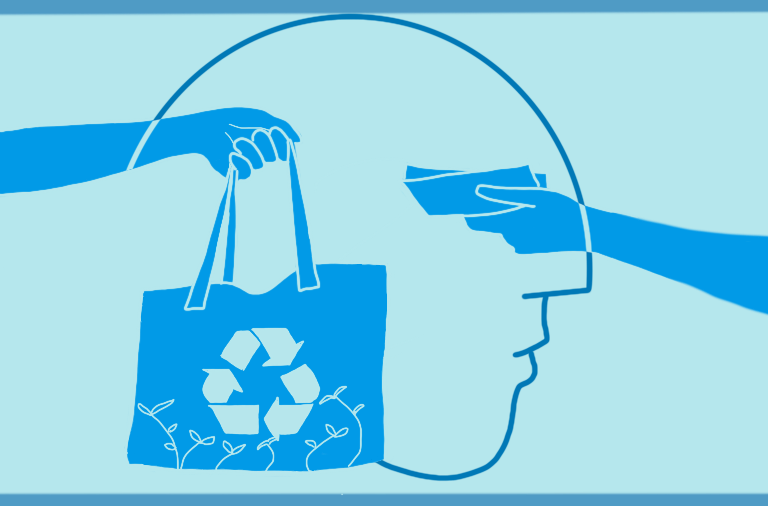
Click on the headline (link) for the full text.
Many more articles are available through the Energy Bulletin homepage
S.F. mayor proposes fines for unsorted trash
John Coté, San Francisco Chronicle
Garbage collectors would inspect San Francisco residents’ trash to make sure pizza crusts aren’t mixed in with chip bags or wine bottles under a proposal by Mayor Gavin Newsom.
And if residents or businesses don’t separate the coffee grounds from the newspapers, they would face fines of up to $1,000 and eventually could have their garbage service stopped.
The plan to require proper sorting of refuse would be the nation’s first mandatory recycling and composting law. It would direct garbage collectors to inspect the trash to make sure it is put into the right blue, black or green bin, according to a draft of the legislation prepared by the city’s Department of the Environment…
(1 August 2008)
Prospectors sift through America’s garbage in a gold rush founded on metals, plastic and paper
Roben Farzad, The Independent
Bob Cappadona, area manager of Casella Waste Systems’ 65,000sq ft recycling facility in Massachussets, can’t believe the record prices his garbage is commanding. “Aluminium cans, $900 [£450] a bale. Tin cans, $150. No 2 clear plastic, $300. Cardboard, $70. Mixed paper, $40.” He barely conceals his glee as he explains the effects of a spike in metal prices: “We get an extra $100 a ton.”
Mr Cappadona’s numbers are compelling, but the global implications of the trash boom only really hit you when you see the enormous pallets being carted away from the plant. You realise that recyclers can make vast profits from combing through ordinary rubbish, processing it and then reselling it to other companies. And that leads to another, bigger thought: trash is no longer just an environmental liability. It is becoming a financial asset. And it is everywhere.
Or so it would seem…
(3 August 2008)
Climate change: How quest for zero waste community means sorting the rubbish 34 ways
Justin McCurry, The Guardian
It was not that long ago that life in Kamikatsu revolved around the state of the rice crop and the number of tourists arriving to soak in the restorative waters of the local hot spring. Now the tiny village, in the densely wooded mountains of Shikoku island in south-west Japan, has a new obsession: rubbish.
Since 2003 Kamikatsu’s 2,000 residents have been part of a so far unheralded ecological experiment that, if successful, could force bin men across the country to look for new jobs.
Urban Japanese householders, who balk at having to divide rubbish into flammable and inflammable items, bottles and cans, should spare a thought for their counterparts in Kamikatsu.
(5 August 2008)


Comments
Welcome to the new Resillience commenting system!
We have moved from the former Disqus commenting system to a new system as of September 10, 2026.
We made this change because of privacy concerns regarding Disqus. It's also part of a set of changes to bring more services to the Resilience community under a single login: commenting, (coming September 2026), and online courses (coming 2027). Unfortunately, your old Disqus comments may not reliably link to your account in this new system. Please contact us if you have any questions or concerns.