

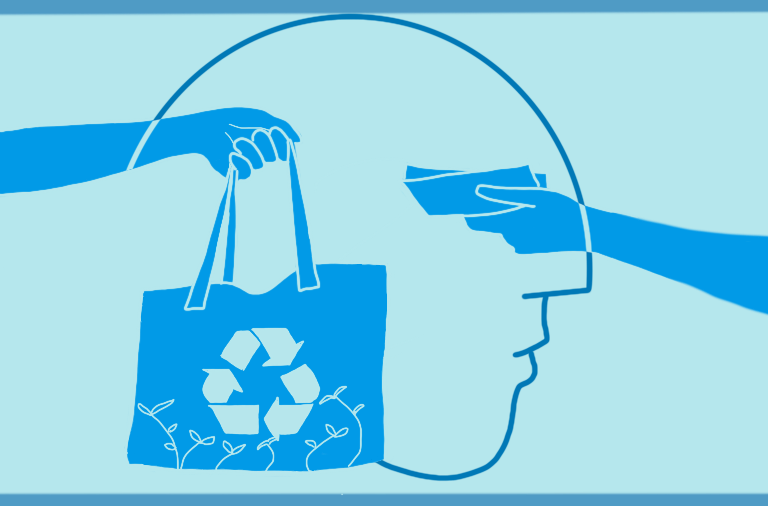
 This is an emergency response to the destruction of the library at Occupy Wall Street, a clear attempt to destroy the education of passionate people who are tired of living in a deeply flawed system. Razing libraries and burning books has historically failed every time; this will be the most colossal failure to repress education in history, because the education will not be centralized.
The only thing no one can ever take away from you is your education.
If you are curious about why Occupy Wall Street has turned into Occupy Everywhere, if you want a basic understanding of the problems in the system that make this stand necessary, these are the books to start with, in no particular order.
- Shock Doctrine – Naomi Klein
- Debt: The First 5000 Years – David Graeber
- End of Growth – Richard Heinberg
- In Defense of Food – Michael Pollan
- Griftopia – Matt Taibbi
These #ows primer books have been selected because they
- give a basic yet rarely-discussed-by-media understanding of the structural problems that need to change
- are often-requested books at the Occupy Wall Street Library
- are relatively objective, even though trolls and false media will profess otherwise
#Occupy has spread from Wall Street to the entire globe, and occupiers everywhere are proving that tools of the system cannot break a movement simply by tearing down a few tents and beating up your fellow 99% citizens. It’s time you empower yourself, occupy everywhere; stop your contributions to the system and move to fix it.
Other books that are extremely valuable will be added to the list, but we feel this is the minimum education to understanding the state of your current world.
*These books, of course, do not represent all there is to know, nor does it necessarily represent the opinion of 99% of the country or 99% of the movement; that can never reach consensus, which is a good thing. Many more books, films and other media will be listed soon, but this is a good emergency start.



Comments
Welcome to the new Resillience commenting system!
We have moved from the former Disqus commenting system to a new system as of September 10, 2026.
We made this change because of privacy concerns regarding Disqus. It's also part of a set of changes to bring more services to the Resilience community under a single login: commenting, (coming September 2026), and online courses (coming 2027). Unfortunately, your old Disqus comments may not reliably link to your account in this new system. Please contact us if you have any questions or concerns.