Rob Hopkins is a cofounder of Transition Town Totnes and Transition Network, and the author of The Transition Handbook, The Transition Companion, The Power of Just Doing Stuff, 21 Stories of Transition and most recently, From What Is to What If: unleashing the power of imagination to create the future we want. He presents the podcast series ‘From What If to What Next‘ which invites listeners to send in their “what if” questions and then explores how to make them a reality. In 2012, he was voted one of the Independent’s top 100 environmentalists and was on Nesta and the Observer’s list of Britain’s 50 New Radicals. Hopkins has also appeared on BBC Radio 4’s Four Thought and A Good Read, in the French film phenomenon Demain and its sequel Apres Demain, and has spoken at TEDGlobal and three TEDx events.
An Ashoka Fellow, Hopkins also holds a doctorate degree from the University of Plymouth and has received two honorary doctorates from the University of the West of England and the University of Namur. He is a keen gardener, a founder of New Lion Brewery in Totnes, and a director of Totnes Community Development Society, the group behind Atmos Totnes, an ambitious, community-led development project. He blogs at transtionnetwork.org and robhopkins.net and tweets at @robintransition.
Tags: Building Community, Food, Media & Communications, Politics
Related Articles
'SELECT SQL_CALC_FOUND_ROWS wp_posts.ID
FROM wp_posts LEFT JOIN wp_term_relationships ON (wp_posts.ID = wp_term_relationships.object_id)
WHERE 1=1 AND wp_posts.ID NOT IN (1238199) AND (
wp_term_relationships.term_taxonomy_id IN (4,8988)
) AND wp_posts.post_type = \'post\' AND ((wp_posts.post_status = \'publish\'))
GROUP BY wp_posts.ID
ORDER BY wp_posts.post_date DESC
LIMIT 0, 3'
Two ways we can honor unions at this time of trial are to ask others to join union picket lines and to learn from their innovations and successes for whatever campaigns we are committed to today.
Funding freezes, grant terminations, program cancellations, and a woefully understaffed USDA have disrupted the programs and services farmers and rural communities rely on to build environmentally resilient and economically viable businesses.
September 1, 2026
Comments
Welcome to the new Resillience commenting system!
We have moved from the former Disqus commenting system to a new system as of September 10, 2026.
Your past comments have not disappeared.
You can log in with your old Disqus credentials, as well as Gmail credentials or a Resilience account (formerly Resilience+). Login with Facebook and other credentials is coming soon.
We made this change because of privacy concerns regarding Disqus. It's also part of a set of changes to bring more services to the Resilience community under a single login: commenting, (coming September 2026), and online courses (coming 2027). Unfortunately, your old Disqus comments may not reliably link to your account in this new system. Please contact us if you have any questions or concerns.



 Here’s the second Transition podcast. The idea with these is that they will explore some of the stories from the month’s ‘Round up of what’s happening in the world of Transition’ in greater depth. So, this month we hear from Brixton about the latest developments with the Brixton Pound, from the Wiltshire town whose Town Council just voted to become a Transition Council, and from the Yorkshire valley that recently declared independence from the global food system. There will also be the occasional one that is specific to a particular event or topic, but these monthly podcasts will now hopefully be a regular feature, both here and at the Transition Network’s site. I hope you enjoy it, and do let us know what you think.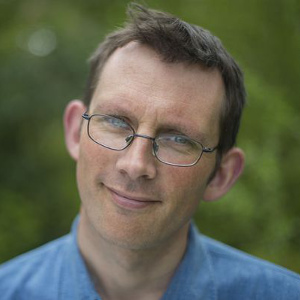



Comments
Welcome to the new Resillience commenting system!
We have moved from the former Disqus commenting system to a new system as of September 10, 2026.
We made this change because of privacy concerns regarding Disqus. It's also part of a set of changes to bring more services to the Resilience community under a single login: commenting, (coming September 2026), and online courses (coming 2027). Unfortunately, your old Disqus comments may not reliably link to your account in this new system. Please contact us if you have any questions or concerns.