

Fred Kirschenmann has been involved in sustainable agriculture and food issues for most of his life. He currently serves as both a Distinguished Fellow at the Leopold Center for Sustainable Agriculture at Iowa State University, and as President of the Stone Barns Center for Food and Agriculture in Pocantico Hills, New York. He also still provides management over site of his family’s 2600 acre organic farm in south central North Dakota. He was recently named as one of the first ten James Beard Foundation Leadership Awards which recognizes visionaries in creating more healthful, more sustainable, and safer food systems. He is the author of a book of essays which track the development of his thought over the past 30 years; Cultivating an Ecological Conscience: Essays by a Farmer Philosopher, published by the University of Kentucky Press.

Related Articles
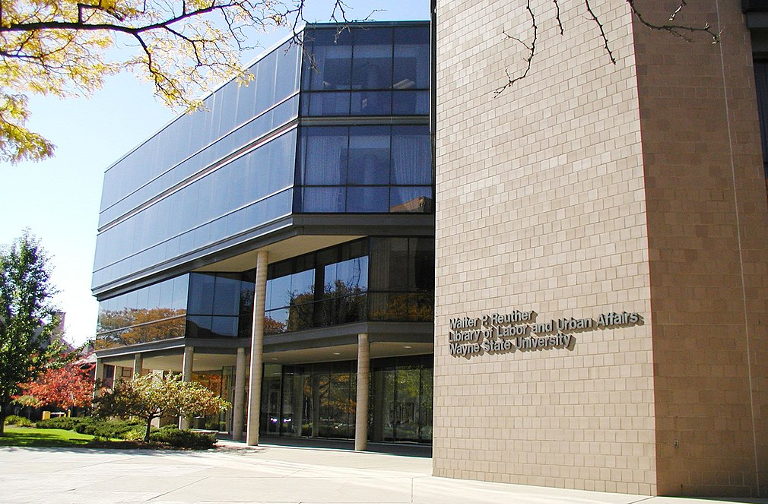
Preserving labor history in the present, for the future
Labor activists take steps to preserve the documents and strategies they use today, so future organizers will have a practical guide.
September 8, 2026
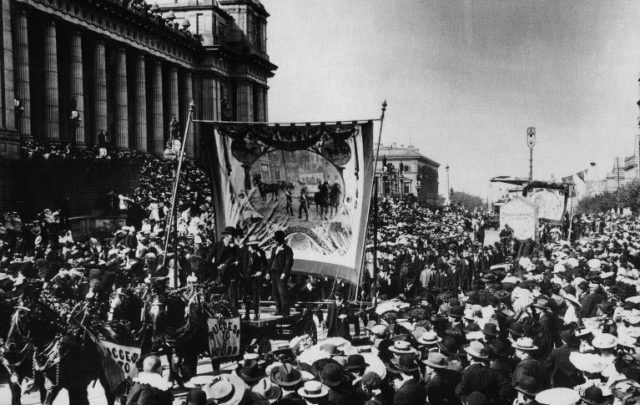
Unions have been down before, history shows how they can come back
Two ways we can honor unions at this time of trial are to ask others to join union picket lines and to learn from their innovations and successes for whatever campaigns we are committed to today.
September 7, 2026

A realistic ‘energy transition’ is to get better at using less of it
We must develop a realistic plan for energy descent, rather than clinging to naive fantasies of endless consumer abundance powered by alternatives to fossil fuels.
May 15, 2026


Comments
We changed commenting systems on September 10, 2026 as part of a site-wide functionality and security upgrade. Your past comments have not disappeared, and you can still log in with your old Disqus account credentials if you wish. Contact us with any questions.