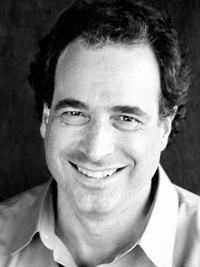
Michael Shuman presented to a crowd about local investing and ways to create wealth in a community. His talk on October 10 was the kickoff event for Vermont’s New Economy Week 2013.

By Michael Shuman, originally published by Donella Meadows Institute
October 21, 2013
Michael Shuman presented to a crowd about local investing and ways to create wealth in a community. His talk on October 10 was the kickoff event for Vermont’s New Economy Week 2013.

Michael Shuman is director of research for Cutting Edge Capital, director of research and economic development at the Business Alliance for Local Living Economies (BALLE), and a Fellow of Post Carbon Institute. He holds an AB with distinction in economics and international relations from Stanford University and a JD from Stanford Law School. He has led community-based economic-development efforts across the country and has authored or edited seven previous books, including The Small Mart Revolution: How Local Businesses Are Beating the Global Competition (2006) and Going Local: Creating Self-Reliant Communities in the Global Age (1998).
In recent years, Michael has led community-based economic-development efforts in St. Lawrence County (NY), Hudson Valley (NY), Katahdin Region (ME), Martha’s Vineyard (MA), and Carbondale (CO), and served as a senior editor for the recently published Encyclopedia of Community. He has given an average of more than one invited talk per week for 25 years throughout the United States and the world.
Request an interview
Request as a speaker
View Michael’s speaking terms.
Tags: local economic development, local investing, relocalization
By Neekhil Bhowoniah, Resilience.org
Communities that trust their institutions are more willing to participate, collaborate, adapt, and recover. Communities that do not trust them remain vulnerable, regardless of how much climate finance is mobilised.
October 6, 2026

By Rachel Ainsworth, Societal Dynamics (SoDy)
Historically, the Red Sea and the Bab el-Mandeb Strait have been a strategic region for trade and political dominance; today, we are still shaped by their influence as we remain fragilely interconnected.
September 25, 2026
By Marianne Dhenin, YES! magazine
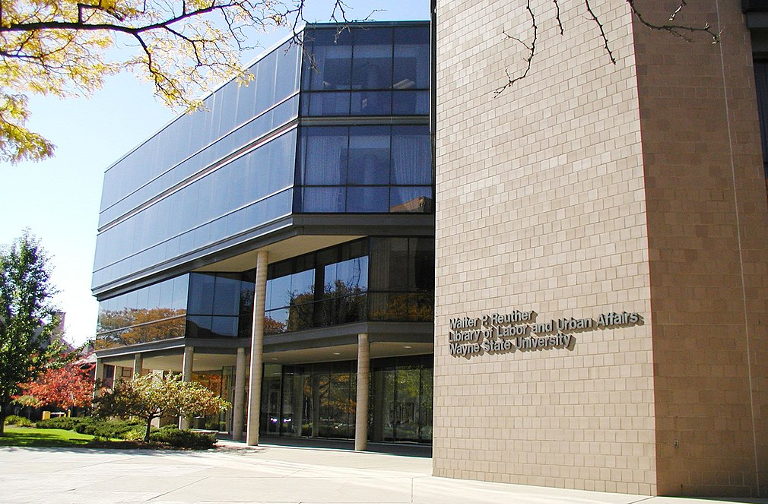
Labor activists take steps to preserve the documents and strategies they use today, so future organizers will have a practical guide.
September 8, 2026

Comments
We changed commenting systems on September 10, 2026 as part of a site-wide functionality and security upgrade. Your past comments have not disappeared, and you can still log in with your old Disqus account credentials if you wish. Contact us with any questions.