 I have been away from my blog for a while because of tidying up a typescript for my new book called The Bioregional Economy: Life, Liberty and the Pursuit of Happiness. As I’ve been writing it I have leaned more and more on Polanyi who, it seems to me, is the economist for our times.
Polanyi has an uncanny knack of being able to take a long historical perspective. This is rare amongst commentators and policy-makers, but particularly rare amongst economists. It is well known that the discipline of economics defined economic history as outside its purview some decades ago. Not knowing your own history means you cannot learn from your own mistakes, which is an important explanation for why we have found ourselves in the Great Depression II: Revenge of the Austericons.
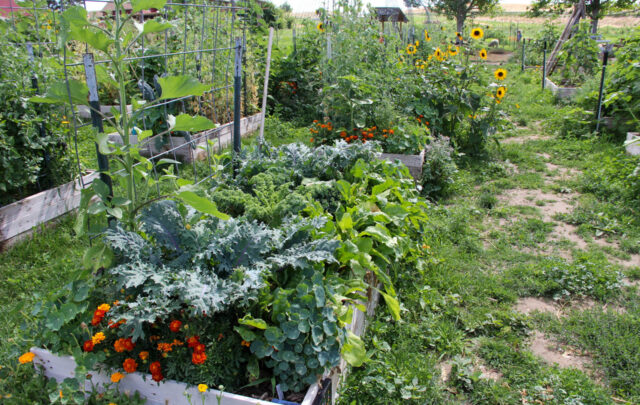
Polanyi famously describes the ‘great transformation’ from a stable, sustainable economy, based on social relationships and connected to the land, to a capitalist market economy, where people are turned into the ‘fictitious commodity’ of labour and decisions are made by those who control capital, without any need to take account of their social consequences. One of the questions I raise in my book is how we might reverse this transformation and find our way back to the land and back to wholesome social relationships.
It appears that part of this transformation may already be happening as a result of the crisis of capital. On the Guardian economics Live Eurozone Blog (11.11am), Helena Smith reports that
‘Greece is undergoing a mass internal migration as a result of the economic crisis that has engulfed the nation since December 2009. After years of being spurned for the bright lights of big cities, rural areas are making a comeback as unprecedented numbers of unemployed young Greeks move en masse to the countryside encouraged by government stipends to cultivate tracts of land that have been left untended for years. A survey conducted at the behest of the Agricultural Development Ministry by the polling firm Kapa Research found that more than 1.5 million Greeks were considering relocating to rural areas with one in five already having made the move. Around 75 % were under the age of 44 – the group worst hit by joblessness in a nation where more are now out of work than employed.’
The state has launched a €60bn programme of subsidies on plots of land, a scheme which is attracting graduates who have despaired of finding white-collar jobs in the cities. In Thessaloniki trained agronomists have put their knowledge into practice and are renting land from the university to grow rice and cotton. You can find a short video of their experiences on Youtube.
This leads me to question how much these experiences might be shared in the UK, if our Depression continues. Greece has only been a member of the EU for 40 years and was previously an agricultural society, so the link to the land is still strong. In the UK for many the experience of living from the land was lost 100 years ago or more.