

Carl Etnier, host of “Equal Time,” asks guest Kurt Cobb about his peak-oil-themed thriller, Prelude, in a wide-ranging interview covering who in government circles understands peak oil, Vermont’s new peak-oil-aware governor, the inscrutable and often unmanageably complex human-built systems within which we live, the advisability of using nature as a guide for redesigning those systems, and recent revelations in the media about exaggerated and perhaps fraudulent claims concerning the amount of natural gas we can expect from shale gas fields. The second half of the hour-long program is devoted to an interview with Vermont Law School faculty member Don Kreis who discusses the federal courtroom battle over possible closure of the Yankee nuclear power plant in Vermont. The interview includes audio excerpts from arguments made before the court.

Related Articles

Kokushobi: My vote for word of the year for 2026
As Japan coins a new term for “cruelly hot days,” its linguistic and institutional adaptation to extreme heat starkly contrasts with growing climate denial among U.S. political elites, revealing an emerging global split between fossil-fuel holdouts and nations pushing for a rapid energy transition.
June 9, 2026
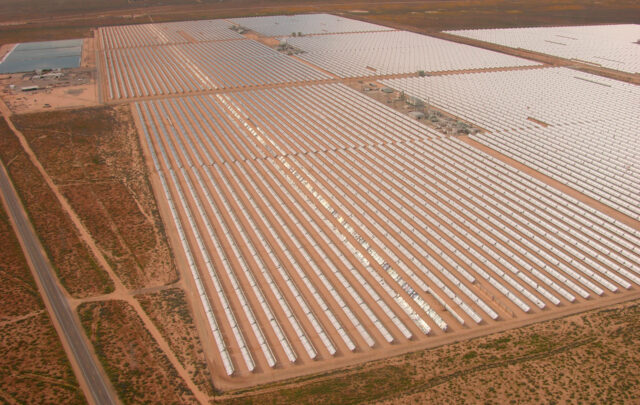
War in the Middle East made the case for renewables – what’s happening in each country tells a harder story
The war in the Middle East has exposed the costs of fossil fuel dependence, but the path to renewable energy looks very different across regions.
June 8, 2026
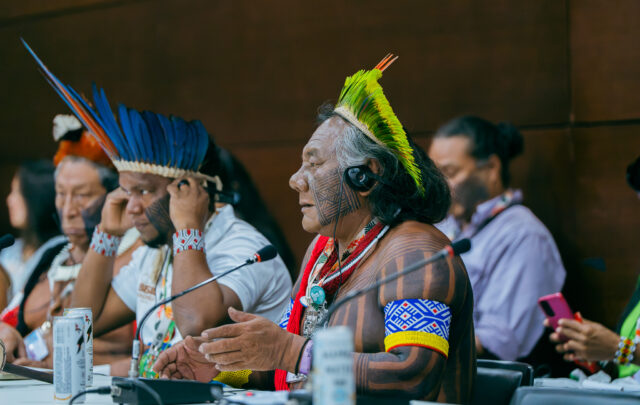
Countries must back commitments to transition from fossil fuels with action
Many participants framed the first international Conference on Transitioning Away from Fossil Fuels in Colombia as a historic turning point. But with no binding pledges and reliance on voluntary coalitions, its impact now hinges on whether governments turn rhetoric into enforceable policies.
June 5, 2026

