

In places where there’s no decent library, no regular bus service, no bike lanes, no joyful gathering spaces, and where people are not meeting to find solutions to local problems, community wealth can be weak.
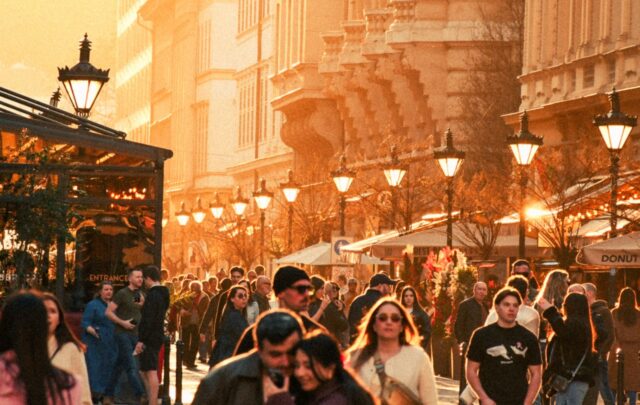
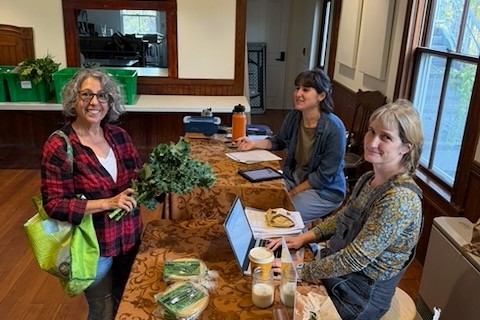
In places where there’s always so much going on, on the other hand, where nature is protected, where there’s a club for every interest, where people know their neighbours, and where there is a committed effort to tackle local problems, community wealth is strong.
Community wealth is far more enduring and rewarding than private wealth. Personal wealth brings private comforts and status while others starve, or have to work three jobs to stay out of debt. Community wealth brings public benefits of every kind, from libraries and sports clubs to affordable housing and car-free streets. It also brings community-based economic development, community investment, and the community ownership of essential land, property, and much-loved businesses and pubs that would otherwise close.
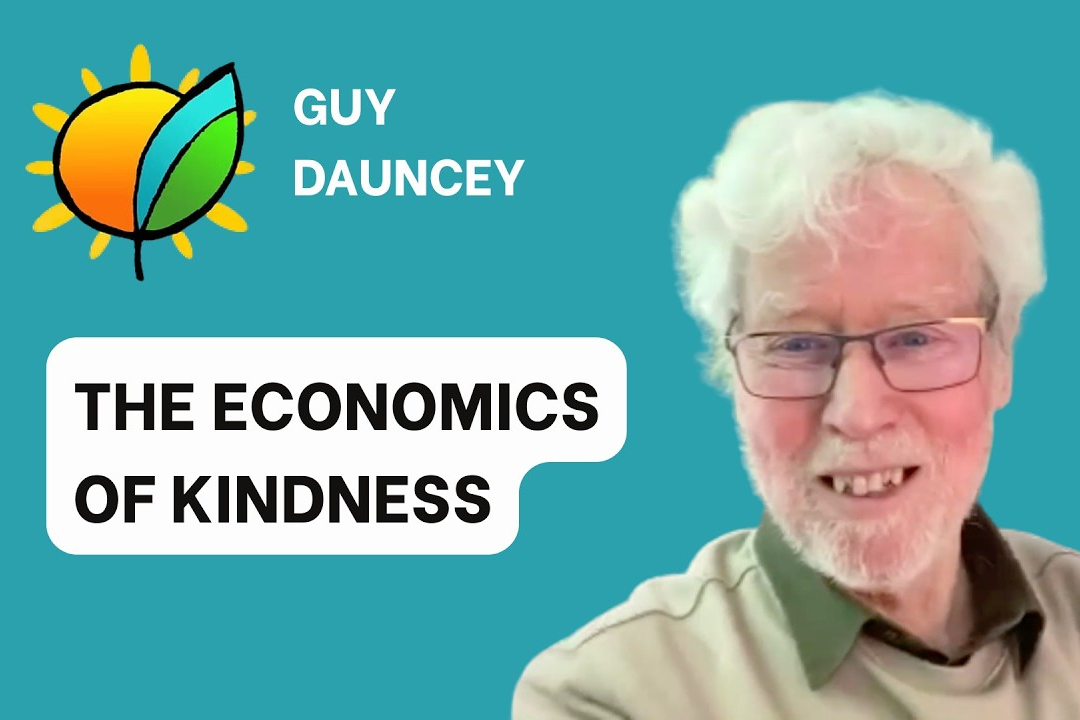
In his forthcoming book, The Economics of Kindness, author Guy Dauncey argues that kindness can be at the heart of the economy. Drawing on years of research, he shares how reimagining our economic systems could transform everything from “institutions, laws, markets, money, and relationships to nature around cooperation, rather than domination by selfish elites.”
In a recent talk on Community Wealth at the Ecovillage Findhorn, Guy presents a few of these ideas, exploring what truly makes communities wealthy, why shared prosperity is more fulfilling than private riches, and how to build kinder economies for resilience.
You can watch online on YouTube here:


Comments
We changed commenting systems on September 10, 2026 as part of a site-wide functionality and security upgrade. Your past comments have not disappeared, and you can still log in with your old Disqus account credentials if you wish. Contact us with any questions.