

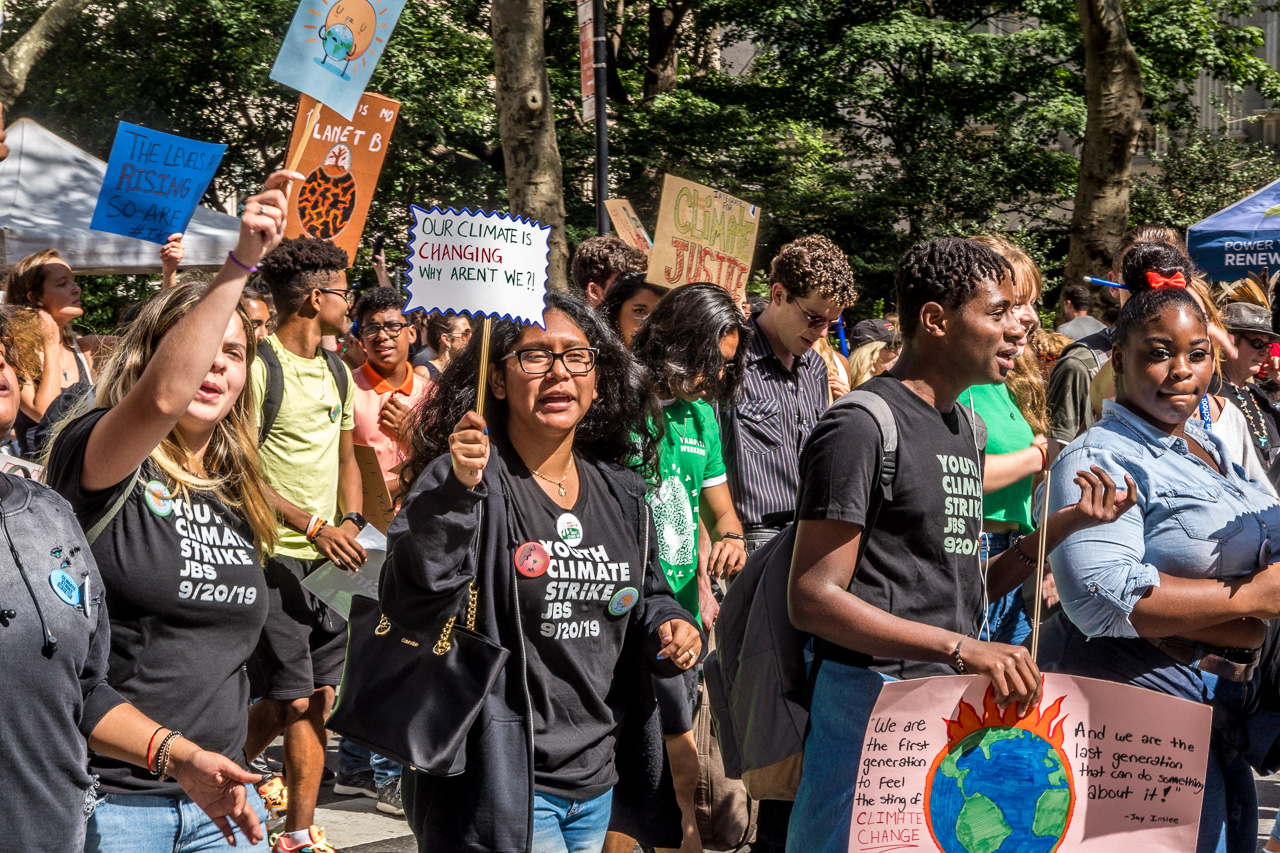
Something is breaking apart in the democratic world beyond the usual scandals of corruption or periodic rise of demagogues. We are witnessing a legitimacy crisis that goes all the way down to the foundations.
Across Europe and North America, citizens no longer believe their governments represent them. Poll after poll shows collapsing trust in democratic institutions. Voters who feel ignored — or actively betrayed — by political elites are increasingly willing to support authoritarian leaders who promise to “break the system,” even at the cost of basic civil liberties. In a deeply troubling sense, their disillusionment is justified.
Careful study of decades of U.S. legislation reveals that policy outcomes closely track the preferences of wealthy elites while bearing little or no relationship to what the majority of citizens actually want. Rather than being a glitch in democracy, we’ll see that this is a feature — one that has been there from the beginning.
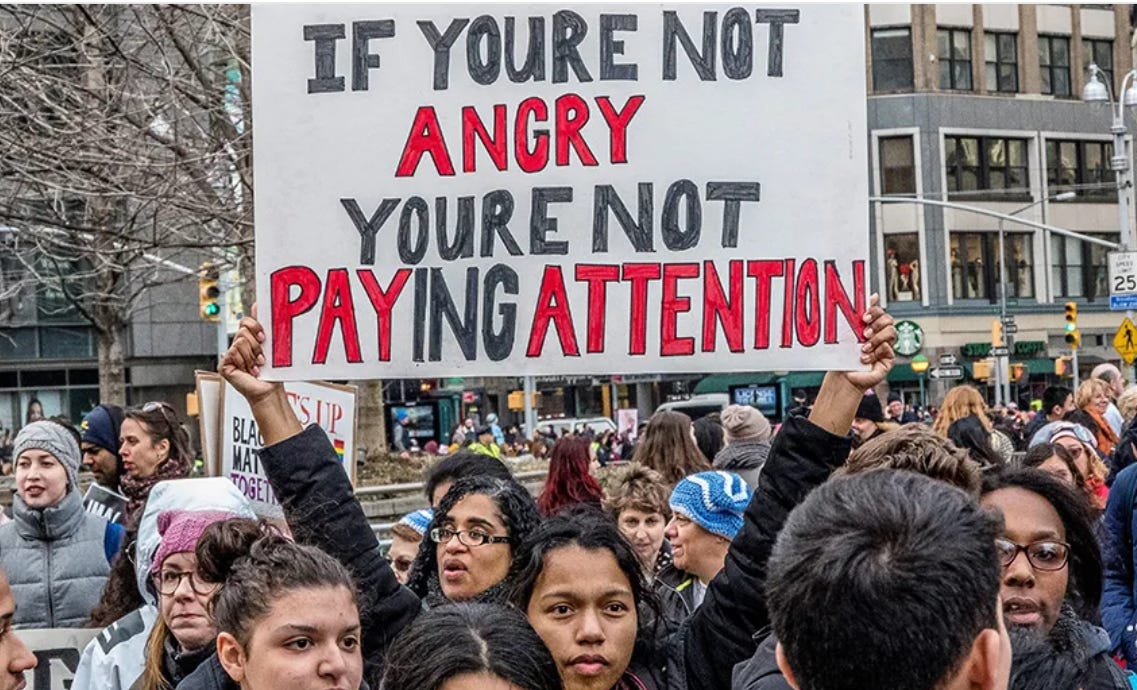
The democracy creation myth
We are taught that modern democracy traces its lineage to ancient Athens. This may be true—but not in the way we’re led to believe.
For male citizens, Athenian democracy was real, but it functioned nothing like what we practice today. The center of Athenian power was the Boule, a council of 500 men who prepared legislation for the Assembly to vote on — chosen not by election, but by public lottery, known as sortition. Magistrates and juries were selected the same way.
Aristotle was clear about this distinction. In Politics, he contrasted sortition, which he viewed as democratic, with elections, which he saw as oligarchic. His reasoning was compelling: sortition ensured that legislative bodies were truly representative of the citizenry; it resisted corruption and the concentration of power; and it spread the opportunity to govern broadly throughout the population.
When the architects of the U.S. Constitution met in Philadelphia in 1787, they were fully aware of Aristotle’s distinction — and deliberately chose the oligarchic option. James Madison called for “the total exclusion of the people in their collective capacity from any share in [the government].” The second president John Adams regarded democracy as “more bloody than either aristocracy or monarchy.” What the Founders built was explicitly designed to protect property from popular interference — a system where, as Madison explained, the “rights of property” constituted the “first object of government.”
Only gradually, during the 19th century, did this electoral oligarchy come to be rebranded as “democracy.” The branding held—along with the design.
Today, roughly half the members of Congress are millionaires. The current U.S. administration includes 13 billionaires. Europe’s electoral democracies, while differing in specifics, followed a similar trajectory: landed gentry wresting power from monarchs while maintaining control of the levers of governance, yielding to broader suffrage only incrementally — what one historian called “vaccination against insurrection.”
Why elections select the wrong people
Even under ideal circumstances, elections are structurally defective as a mechanism for choosing policymakers. Once elected, a representative’s primary concern is reelection, which means pleasing the lobbyists with the most influence and deepest pockets. Even an incorruptible politician is compelled by the election cycle to favor short-term goals over long-term needs. As former European Commission president Jean-Claude Juncker admitted: “We all know what to do, but we do not know how to get re-elected once we have done it.”
Elections also select for the wrong qualities: charisma, wealth, ambition, and connection — a dangerously unrepresentative sample of the population. They reward adversarial grandstanding over considered deliberation. Open-mindedness, perhaps the most valuable quality for wise policymaking, is nearly fatal to a successful campaign.
A more legitimate descendant
An emerging alternative can boast a true pedigree back to the original intention of Aristotle’s concept of democracy, and it is quietly demonstrating remarkable results across the world.
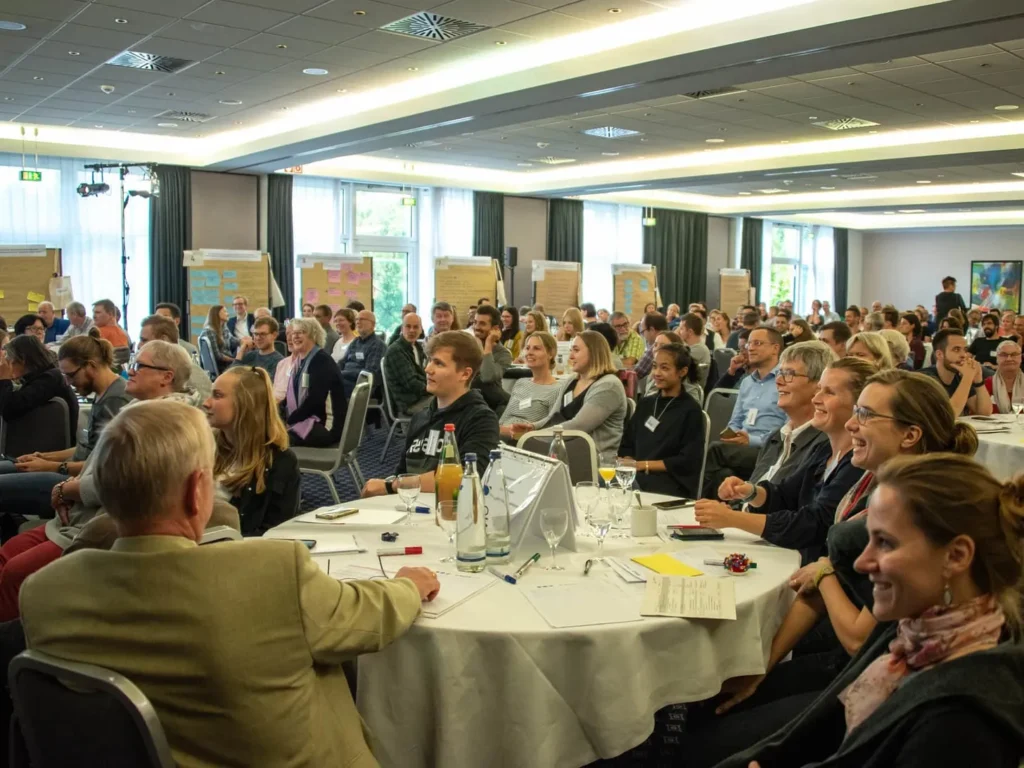
Deliberative democracy rests on the recognition that laws and policies gain their legitimacy not merely from a vote, but from a process of careful deliberation among citizen peers leading up to that vote. Its principal instrument is the citizens’ assembly: a group of ordinary people — usually a hundred or more — chosen by sortition to be genuinely representative of the broader population, who engage in sustained facilitated discussion on a particular topic until they arrive at a considered recommendation.
At first sight, it might seem absurd to ask a random sample of citizens to deliberate on complex policy questions. But a wealth of evidence from social psychology tells us something counterintuitive: while individuals are often poor reasoners — led astray by bias and preconception — people become excellent collective problem-solvers under the right conditions. Those conditions include skilled independent facilitation, clear processes that encourage mutual respect, access to subject-matter experts they can interrogate, sufficient time, and the knowledge that their conclusions will actually matter.
The results have been striking, ever since the Canadian province of British Columbia established the first modern citizens’ assembly in 2004 to review its electoral system: A hundred and sixty randomly selected citizens met over eleven months, developed detailed recommendations, and their conclusions won majority support in a subsequent referendum.
In Ireland, 99 randomly chosen citizens deliberated for eighteen months on the fraught question of abortion — hearing testimony from women facing crisis pregnancies, interrogating medical and legal experts, and broadcasting their entire process publicly. Their recommendation to legalize abortion passed a referendum with 66 percent of the vote, with remarkably little of the toxic divisiveness that has torn apart other societies on the same question. The same Irish assembly had earlier produced a recommendation to legalize same-sex marriage that passed with similar non-partisan support.
Belgium’s German-speaking region, Ostbelgien, has gone further: in 2019 it established the world’s first permanent Citizens’ Council, which has since inspired cities like Lisbon and Paris to form their own standing assemblies. Approximately fifty citizens’ assemblies now convene worldwide each year, addressing the long-term, complex issues that elected governments are structurally least suited to handle: climate change, urban planning, health policy, infrastructure, and democratic reform itself.
Observers of these assemblies consistently report something remarkable: a shared civic consciousness emerges spontaneously among participants. People who arrive with entrenched positions are genuinely changed by listening to others’ direct experience. Studies document large and statistically significant shifts in opinion through collective deliberation — toward greater nuance, greater consideration of long-term consequences, and greater attention to the interests of those absent from the room. In regions torn by civil conflict — Colombia, Northern Ireland, Bosnia — carefully structured deliberation has overcome deep polarization and helped heal divisions that electoral politics only widened.
Scaling democracy for the digital age
How might deliberative democracy work for modern nation-states with millions of citizens? Powerful answers are already being developed.
Barcelona’s “Barcelona en Comú” program launched a digital platform called Decidim in 2016, inviting city residents to contribute proposals for binding legislation and to track and evaluate decisions. In its first year, it generated over 8,000 proposals for improving urban life, more than 70 percent of which were accepted. Decidim is now used across more than 500 settings in 30 countries, with over three million registered participants.
Taiwan has gone further still. Under Digital Affairs Minister Audrey Tang, the country developed vTaiwan: a platform specifically designed to overcome polarization and facilitate deliberative online conversation among tens of thousands of participants at once. Its underlying technology uses statistical tools to cluster opinions and surface areas of underlying agreement that adversarial debate would never reveal. When Uber’s arrival sparked angry controversy, the process generated a consensus policy that welcomed Uber’s benefits while protecting workers’ rights. More than a dozen contentious national issues have been turned into legislation through the platform. The open-source software underpinning it, Polis, is being adapted and extended — sometimes with AI assistance — to enhance deliberation at every scale.
Democracy from below
But the most dramatic experiments in genuine democracy are not waiting for nation-states to reform at all.
In Syria’s Rojava region, 4.5 million people successfully practice what’s arguably the world’s most authentically democratic large society. In what’s known as democratic confederalism, governance begins at the street level with a commune of a few hundred households, where residents discuss daily affairs and resolve local problems. If an issue exceeds a commune’s scope, it moves to a neighborhood council; from there to a district council; from there to the People’s Assembly. Every committee is co-led by one man and one woman, and coordinating leaders can be recalled by majority vote at any time. In a region characterized by authoritarian regimes and heavily patriarchal cultures, Rojava has become the antithesis of its surroundings — and despite continual war and scarce resources, has achieved the highest standard of living in the region.
In India’s state of Kerala — one of the country’s poorest by GDP — a decades-long experiment in genuinely participatory governance has produced India’s highest rankings in health, literacy, life expectancy, and gender equality. A grassroots women’s empowerment movement called Kudumbashree organizes 4.5 million women into 20,000 democratic councils linked to local government, managing 70,000 collective farms. Kerala’s success demonstrates fundamental principles of an ecological civilization: not technical wizardry or perpetual growth, but governance organized around people’s actual needs.
Far from being utopian projects, these are functioning societies demonstrating, on the ground, that Lincoln’s vision — “government of the people, by the people, for the people” — need not remain aspirational. It can describe a reality.
Toward fractal democracy
What might this look like at the level of a modern nation-state? Yale political scientist Hélène Landemore calls it “open democracy“: a system where all citizens have an equal right to participate in decision-making, based on facilitated deliberation by groups selected by sortition to be genuinely representative of society. Instead of elections, citizens would be selected to serve in different assemblies for terms of one to several years, receiving significant remuneration and supported in ways that make participation genuinely accessible.
We might conceive of a national assembly — resembling the Athenian Boule — of several hundred citizens selected to serve for several years in annual tranches, forming the center of a web of other assemblies at regional and local levels. Without the high-stakes election cycle, political parties might evolve to play a valuable role in civil society — formulating policy platforms, providing expert analysis — rather than their current role as vehicles for factional power. A separate Agenda Assembly, attuned to public concerns through participatory digital tools, could prioritize issues for deliberation by the national body.
This is a radical change from what we know, and it raises multiple unanswered questions. How would assembly members be held accountable? How would referendums fit? How would the transition happen? Researchers at organizations like Participedia and DemocracyNext are working seriously on these questions. Such radical changes might appear daunting, but in a world where even the semblance of democracy is crumbling at the hands of rising authoritarian power, the most reckless approach would be to avoid asking them.
The deeper task
Democracy’s legitimacy crisis cannot be solved by tinkering at the margins. Campaign finance reform, ethics rules, and better candidates all matter, but they do not address the structural design of a system built, from its foundations, to protect the wealthy and powerful.
The deeper task is to recover an older, more radical promise of genuine self-governance: not choosing one group of elites over another every few years, but taking on the shared responsibility of governing together.
The tools already exist. The experiments are already underway. Ordinary people, given sufficient time, good information, skilled facilitation, and the knowledge that their conclusions will matter, are demonstrating that they can arrive at thoughtful, nuanced, and widely supported decisions on society’s most difficult questions.
If democracy is to survive the 21st century, it may need to become, for the first time, actually democratic.





Comments
We changed commenting systems on September 10, 2026 as part of a site-wide functionality and security upgrade. Your past comments have not disappeared, and you can still log in with your old Disqus account credentials if you wish. Contact us with any questions.
You said it out loud! The examples are gold. I'm in favor of sortition. And asked myself, what about criminals? Answered myself, as part of the population, include everyone. We might learn things. True sociopaths (we can think of some) would be overruled by the assembly.