A key technology of modernity is money. In the globalized economy, money is the shaper of outcomes, including what projects get completed, how the natural world gets used (and abused), who gets paid, and even who gets into political office – in short, money is power. And today, the flows of money are controlled mainly by a mob of global corporations and financial institutions that make exploitative decisions based on profit maximization.
Unfortunately, most of us, even those who care deeply about the fate of communities and the biosphere, are entangled in this unsustainable economic system through our spending and investing patterns. Surely there’s a better way to run economic affairs. If bioregioning is critical to achieving a prosocial, environmentally sound, and durable society, then the economy needs to go bioregional by establishing infrastructure, institutions, investment opportunities, and markets that favor:
- The local over the global (Main Street over Wall Street),
- Ecosystem stewardship over exploitation, and
- Long-term health over short-term profit.
How can we (and others in our communities) use our purchasing power and investment dollars to build up the economy where we live our lives? What institutions can form the foundation of a healthy bioregional economy? How do we resist the dominant economic structures while supporting new institutions? How can we combine economic activity and nonmonetary transactions to establish an economy that repairs ecosystems and meets the needs of human communities?
During this 90-minute session, Donna Morton (cofounder of Salmon Returns) and Michael Shuman (community economist) shared their knowledge of investing locally, supporting the local economy, and building bioregional institutions, including ideas for moving your money from Wall Street to Main Street.
About the panelists
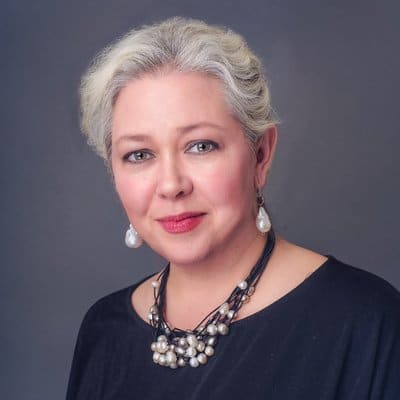
Donna Morton is primarily Northern European with Anishinaabe heritage; she is a lifelong climate, justice, and finance innovator working across Turtle Island. She co-founded numerous organizations, including Edge Finance, Change Finance, and Salmon Returns. Donna has developed economic policy at the Federal, Provincial, and municipal levels, including the BC carbon tax. She has worked with finance companies building investment, portfolio, and donor-advised fund strategies. She has worked with and for First Nations, advancing clean energy and social entrepreneurship in the context of culture.
As co-founder of Salmon Returns, she co-leads strategy, financial instruments, and partnerships that support Indigenous Nations and grow ethical access to capital, partnerships, and bioregional economies. She has given many talks, been featured in media projects globally, and holds fellowships with Ashoka, Ogunte, Unreasonable, Positive Deviants, the Guild of Future Architects, and BioFi Cultivator.
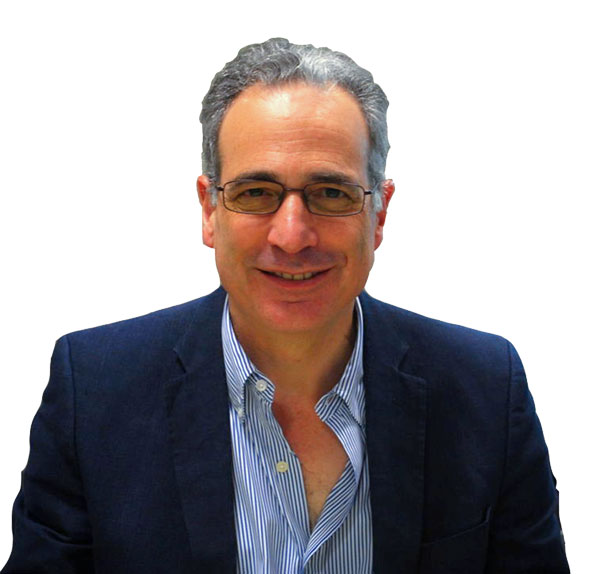
Michael H. Shuman is an economist, attorney, author, and entrepreneur, and a leading visionary on community economics. He is Director of Local Economy Programs for Neighborhood Associates Corporation, and an Adjunct Professor at Bard Business School in New York City. He is also a Senior Researcher for Council Fire and Local Analytics, where he performed economic-development analyses for states, local governments, and businesses around North America, and Publisher of the online Main Street Journal.
He is credited with being one of the architects of the 2012 JOBS Act and dozens of state laws overhauling securities regulation of crowdfunding. He has authored, coauthored, or edited ten books, including: Put Your Money Where Your Life Is: How to Invest Locally Using Solo 401ks and Self-Directed IRAs; The Local Economy Solution: How Innovative, Self-Financing Pollinator Enterprises Can Grow Jobs and Prosperity; and Local Dollars, Local Sense: How to Shift Your Money from Wall Street to Main Street.
Event Recording
For the first three months following an event, event recordings are exclusively available to Resilience donors.
If you encounter a card processing error, please contact us.
Already made a donation? You’ll receive instructions on how to watch the recording a few days after the event. Contact us with any questions.
Additional resources from this event are only available to Resilience+ members.
Log In
If you have an account at education.resilience.org you cannot use it to log in here. (Yet.) You will need to create a separate account.