

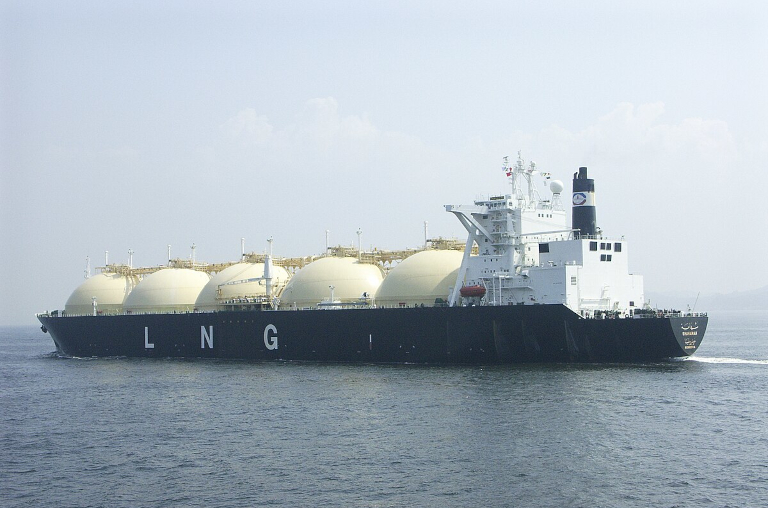
The noticeable upward tilt in graphs of the U.S. natural gas price since April 2024 is likely a hint of things to come for U.S. consumers of energy. That’s because record amounts of U.S. natural gas are now being sent abroad in the form of liquefied natural gas (LNG). And much more export capacity is planned. The U.S. Energy Information Administration forecasts that U.S. LNG export capacity will double by 2029. That’s all gas that cannot be delivered to American users.
I have written about these trends (see here, here, here and here) and predicted they would mean considerably higher heating and electricity costs for Americans and much higher costs for American-based chemical manufacturers; for industries that rely on natural gas for process heat in the manufacture of steel and other metals, concrete, and glass; and for farmers who use natural gas to dry crops.
There’s been a lot of talk about U.S. “energy dominance” by which the current administration means policies that maximize production, maximize exports, and yet somehow “reduce energy costs” at the same time. It’s the “reduce energy costs” part that is now running into trouble.
A central cause of rising U.S. natural gas consumption (and ultimately prices) is the vast expansion of natural gas-fired power plants by American utility companies. From 2001 through 2024 electricity generated by natural gas has almost tripled while coal-generated electricity has declined dramatically and nuclear and hydroelectric generation have plateaued. Renewables (not including hydroelectric) grew 10-fold in that period, now nearly matching nuclear in percentage terms, nuclear at 18 percent and renewables at 17 percent. But, today natural gas is by far the leading fuel for electricity generation in the United States providing 43 percent of the country’s electricity.
Cheap natural gas provided by the so-called “shale revolution” in the United States that began in the late 2000s has also prompted considerable expansion of the chemical industry which uses natural gas to make agricultural chemicals (especially fertilizers), methanol, and chemicals such as ethylene and propylene used to produce plastics.
And, of course, Americans continue to use copious amounts of natural gas to heat their homes and businesses.
All that rising consumption spells trouble for American consumers when it comes to energy costs. The natural gas industry has been telling the public that domestic natural gas production will continue to rise dramatically through mid-century. But independent analysis based on the actual performance of gas wells suggests that production will plateau and then decline in the not-too-distant future. That would produce a double squeeze on natural gas supplies as LNG exports continue rise in the face of falling domestic natural gas production leaving less for U.S. natural gas consumers.
When the natural gas industry sold the story of endless abundance in order to get the U.S. Department of Energy to allow expansion of natural gas exports, it knew that such a move would increasingly link U.S. domestic prices to the much higher global prices. In fairness, the industry was simply asking for what had been granted to almost all other American industries, namely, the right to sell products to the highest bidders no matter where they may be.
In an age of increasing focus on the importance of domestic production of strategic resources, the U.S. government may yet come to regret its decision to commit so much of America’s natural gas resources to other countries. Will there come a day when the anger of American consumers over high energy costs due to rising natural gas prices causes the government to force LNG exporters to abrogate their export contracts and keep that gas in America for consumption by American households and American businesses? The clock is now ticking.






Comments
We changed commenting systems on September 10, 2026 as part of a site-wide functionality and security upgrade. Your past comments have not disappeared, and you can still log in with your old Disqus account credentials if you wish. Contact us with any questions.
But this ignores the urgent necessity to phase OUT fossil fuels. Yes, half of American homes are heated by natural gas. But we could cut that use down very sharply by superinsulating those homes and doing all the other things that make a home energy-efficient. We could cut our electricity use in half pretty easily by doing a long list of things that reduce use. But few of us have bothered because the rhetoric is all about price, not about the need to plan for a fossil-fuel-free future, both for environmental reasons and because we are going to run out. The thing is, a lot of the things we can do to prepare involve spending some fossil fuels now to build solar panels, batteries, turbines, insulation, etc. If we wait till the fossil fuel is gone–likely when migration is surging and governments breaking down due to climate change and other environmental crises–it will be too late, we'll have to get by with candles and horses. This is the sort of thing governments exist to orchestrate–but at this point governments everywhere are craven handmistresses of corporate power, using their financial and enforcement power to bolster corporate power–and corporations are blind profit-vacuuming machines, they can never be part of solutions. The answers must come from civil society groups, largely at the local level.
Globalisation meets finite limits. Irresistible force meets immovable obstacle. Welcome to reality.
Biden looks prescient attempting to get ahead of this in January 2024 with the permit pause…and the level of misinformation from the right wing echo chamber was insane!! I hope you like more expensive heating bills!?!