Christopher Ryan joins the odyssey to discuss human nature; shouldn’t be surprising – it’s in the name! What’s universal, what’s cultural, and what’s personal? Can we really change the culture we live in? And are some societies better suited to human well-being than others?
Christopher Ryan is the New York Times bestselling author of Sex at Dawn: How We Mate, Why We Stray, and What It Means for Modern Relationships as well as the book Civilized to Death: The Price of Progress. He also hosts the long-running podcast “Tangentially Speaking,” which has been downloaded over 30 million times.
Credits
Theme Music is “Celestial Soda Pop” (Amazon, iTunes, Spotify) by Ray Lynch, from the album: Deep Breakfast. Courtesy Ray Lynch Productions (C)(P) 1984/BMI. All rights reserved.
Featured image: Photo courtesy of Christopher Ryan.
Join storyteller Alex Leff, creator of the podcast Human Nature Odyssey, on a search for better ways to understand and more clearly experience the incredible, terrifying, and ridiculous world we live in.
Related Articles
'SELECT SQL_CALC_FOUND_ROWS wp_posts.ID
FROM wp_posts LEFT JOIN wp_term_relationships ON (wp_posts.ID = wp_term_relationships.object_id)
WHERE 1=1 AND wp_posts.ID NOT IN (3515781) AND (
wp_term_relationships.term_taxonomy_id IN (5,8990,9001,46432,47210,47212,47214,47441,47503)
) AND wp_posts.post_type = \'post\' AND ((wp_posts.post_status = \'publish\'))
GROUP BY wp_posts.ID
ORDER BY wp_posts.post_date DESC
LIMIT 0, 3'
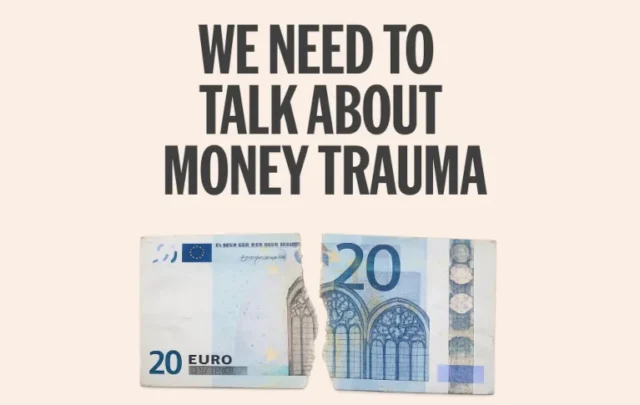
It’s curious that money trauma hasn’t gone into the mainstream yet. It’s one of the most fundamental forces shaping how we move around in our lives, and yet it remains incredibly taboo.
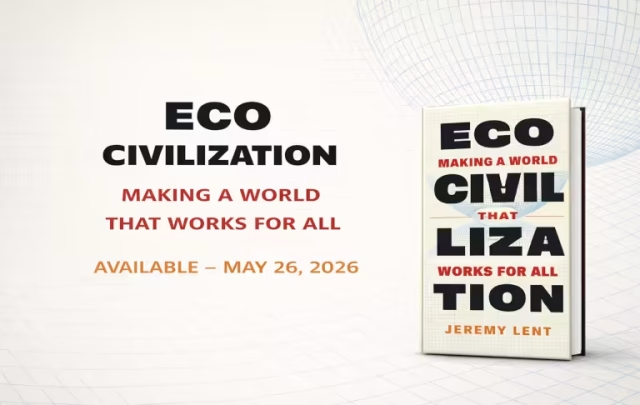
The gap between the beckoning future of an ecocivilization and today’s grim reality is only too clear. But to the extent that meaningful hope does arise, it emerges from the very ruptures of our present breakdown. As the weave of our dominant system unravels, possibilities emerge to reweave our societal fabric into a new design.
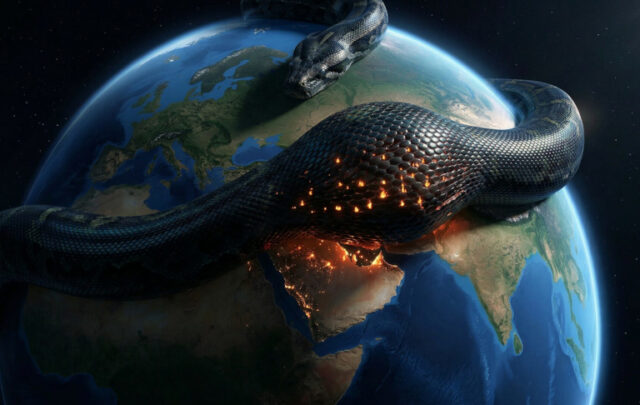
In this episode, Nate offers a personal reflection on the unfolding geopolitical tensions surrounding the Strait of Hormuz, beginning with an examination of how disruptions to fossil fuel flows propagate through the global economy, but with a time lag.