

Eleven years ago, I wrote about the how millions of holes drilled deep into American soil were already destined to pollute groundwater across the United States, making many areas uninhabitable to humans who rely on such water. I warned that the so-called shale oil and gas boom would make this problem dramatically worse.
Now that problem has reached the news pages of southern Ohio, and this will likely just be the beginning of coverage of fracking-related damage to the country’s groundwater supplies. (There has been much coverage of studies that suggest such harm is inevitable and likely happening from fracking. But, we are now shifting into the stage where the actual harm will start to be discovered—almost certainly too late to prevent contamination in many cases.)
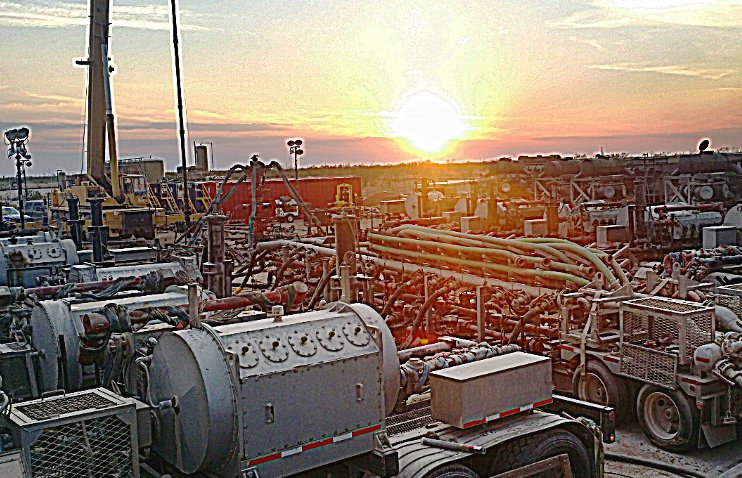
The main culprit (for now) is not the oil and gas wells themselves, but the injection wells used to dispose of huge volumes of water laced with toxic chemicals that have been injected into wells under great pressure to fracture underground rocks containing oil and natural gas in shale deposits. A lot of that water comes back to the surface and so must be disposed of. One of the easiest ways to do that is to pump it deep underground—many thousands of feet down—where it can supposedly be safely deposited away from the surface and far below drinking water aquifers used by us humans.
The trouble is—as I pointed out in my piece 11 years ago—the injected wastewater doesn’t necessarily stay put. And, that’s the problem in southern Ohio. In the Ohio case, “the [Ohio] Division of Oil and Gas Resources Management found that waste fluid injected into the three K&H [waste injection] wells had spread at least 1.5 miles underground and was rising to the surface through oil and gas production wells in Athens and Washington counties.”
This is why a former EPA scientist referenced in my 2012 piece believes that groundwater practically everywhere there is any kind of drilling will become contaminated within the next 100 years as toxic fluids migrate from working and abandoned oil and gas wells and wastewater injection wells into fresh drinking water aquifers.
Part of the problem is the piecemeal regulation of oil and gas operations and wastewater injection. States do the regulation and currently face large and powerful oil and gas companies and the companies that haul their toxic fracking wastewater away. The states have a difficult time monitoring what these companies are dumping, not least of all because the composition of the fluids used to fracture shale oil and gas deposits is considered a trade secret. States cannot easily pry open the files of these companies to find out exactly what is in these fluids.
The fact that companies which use hazardous chemicals that can easily get into the drinking water supply are not obliged to divulge publicly the formulas for the mixtures they inject underground ought to shock the public. But unless Congress fixes some or all of the exemptions from federal disclosure laws enjoyed by the oil and gas industry, the public will continue to be in the dark about the makeup of the waste fluids from oil and gas drilling, especially in shale oil and gas fields, and associated injection of toxic fluids deep into the Earth.
Without crucial information about contaminants which threaten public drinking water supplies, regulators and the public will be shadow-boxing their oil and gas industry foes. My guess is that if companies were obliged to release their fracking formulas and be subject to analysis of the actual fracking fluids and every community was by law informed of this information and its implications for public health, regulation of these practices would be far stricter and some current practices, such as injection of wastes underground, would be banned.





Comments
Kurt seems to conflate vertical subsurface migration with lateral propagation of waste water within given formation. Lack of understanding of some basic geophysical properties from the folks who haven’t done it for a living is normal.
But his point is valid in terms of cool things can be expected to happen next. Ohio will be an interesting experiment in how to go about regulating waste water injection in a way to minimize long distance propagation. Even more entertainingly, it is codified within Ohio law that injected fluids into a well CANNOT AS A MATTER OF LAW leave the borders of the lease within which they are injected. The courts sound like they are no more familiar with geophysical basics as Kurt is.
A friend with a geology PhD worked on similar projects and quit for reasons like those that Kurt gave.
We are a lost species. We just keep in destroying ourselves. It is mind boggling.