It was my pleasure to yarn with Sand Talk author Tyson Yunkaporta on permaculture and much else. Tyson’s perspective complements and contrasts with that of Leah Penniman in the last episode. Please do tell me what you got from the chat in the comments below!
Permaculture isn’t a form of gardening – it’s a method of inquiry about relationships – that’s all it is. And it’s awesome and in that way it’s similar to traditional ecological knowledge from all over the planet and it’s a constantly shifting evolving body of knowledge too, that’s never the same in the same place twice. Love it!
Also a big shout out to my my three friends Woody, Meg and Patrick who make up Artist as Family who Tyson speaks about in the yarn. Coincidentally Woody is to appear in our upcoming documentary film about reading landscape. To learn more about that project visit the website www.ReadingLandscape.org and either subscribe to the newsletter or donate to get invited to a free project zoom call on July 15, 2021, with David Holmgren, filmmaker Dave Meagher, and myself.
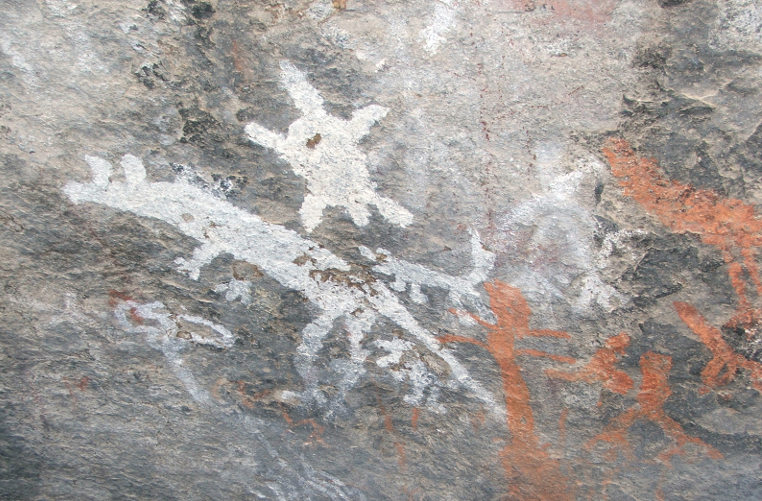
Teaser photo credit: By Martyman at the English Wikipedia, CC BY-SA 3.0, https://commons.wikimedia.org/w/index.php?curid=473784
Dan Palmer has been studying and practicing permaculture for a little over ten years. Along the way he helped start the now global permablitz movement, a well-respected permaculture design, implementation and education company, and several overseas permaculture projects in India and Africa. He has taught or co-taught perhaps a dozen permaculture design certificate courses, read and written a lot about permaculture, and learned from many senior designers and teachers within permaculture and in related fields. In the last year he has started running what he calls Advanced Permaculture Design courses, in which he gets to work with folks that already have some training and experience in permaculture (and want to take it to the next level). He also continues to design, with several hundred professional design projects behind him.
Tags: permaculture, traditional indigenous knowledge
Related Articles
'SELECT SQL_CALC_FOUND_ROWS wp_posts.ID
FROM wp_posts LEFT JOIN wp_term_relationships ON (wp_posts.ID = wp_term_relationships.object_id)
WHERE 1=1 AND wp_posts.ID NOT IN (3487435) AND (
wp_term_relationships.term_taxonomy_id IN (3,8988,8996)
) AND wp_posts.post_type = \'post\' AND ((wp_posts.post_status = \'publish\'))
GROUP BY wp_posts.ID
ORDER BY wp_posts.post_date DESC
LIMIT 0, 3'
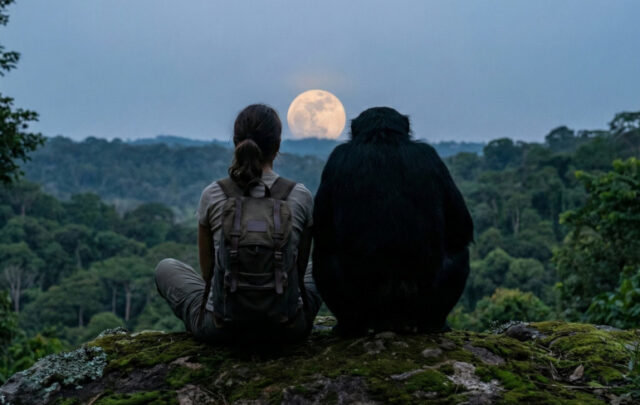
In this episode, Nate speaks with primatologist and author Dr. Christine Webb about human exceptionalism – the deeply embedded belief that humans are separate from and superior to the rest of nature. Webb argues this worldview is not a universal human trait but rather a product of a few dominant cultures, and that it lies at the root of many of our most pressing global challenges.
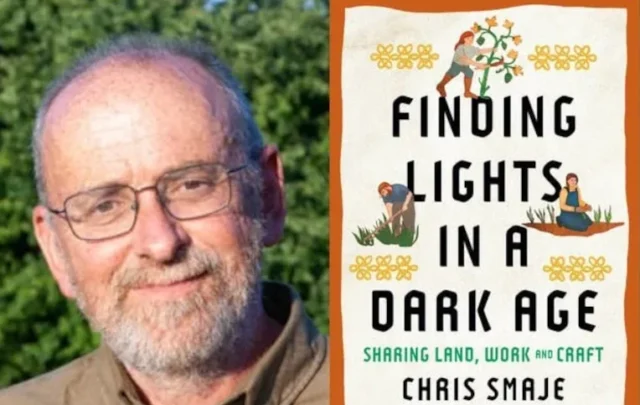
I don’t think anything is more important than challenging the notion that ‘they’ will solve the current poly-crisis and keep people safe and fed via existing and new technologies, economic policies and political negotiation. They won’t. It’s time for ordinary people to try to do it for themselves.
All we can do now is stop being dumb enough to think our brains are capable of outsmarting ecology, and aim for lifestyles that are less obviously catastrophic—relying heavily on proven examples from the distant past.
March 12, 2026
Become a monthly donor to ensure that articles, podcasts, and events stay free for everyone in our community.