

In the inaugural episode of Podcast from the Prairie, Wes Jackson and Robert Jensen explored some of the key influences on Jackson’s distinctive philosophy, on how he came to embrace an ecological perspective and a “creaturely worldview.” In Episode 2, “Respecting Your Tools,” the focus is on the jobs Jackson has had in his life and what lessons he learned along the way. The story starts with work on farms and ranches while growing up, before Jackson became a welder to pay for college. After graduating, Jackson taught at a high school and then a college and university. In 1976, Jackson gave up the security of a tenured faculty position at a California university to return to Kansas and take a gamble on starting an alternative school, The Land Institute, that led to internationally recognized research on sustainable agriculture. In this episode, Jackson reflects on the importance of honoring the people and tools one works with, on the sweat and joy that comes in committing fully to a task, and the kind of work necessary if there is to be a sustainable future.
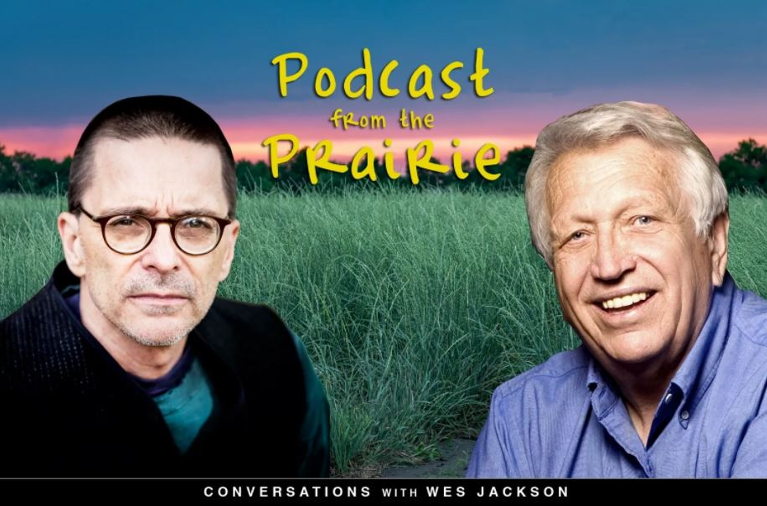
Podcast from the Prairie – Episode 2: “Respecting Your Tools” by mj is licensed under a Creative Commons License
Related Articles
'SELECT SQL_CALC_FOUND_ROWS wp_posts.ID
FROM wp_posts LEFT JOIN wp_term_relationships ON (wp_posts.ID = wp_term_relationships.object_id)
WHERE 1=1 AND wp_posts.ID NOT IN (3483531) AND (
wp_term_relationships.term_taxonomy_id IN (3,4,8988,8997)
) AND wp_posts.post_type = \'post\' AND ((wp_posts.post_status = \'publish\'))
GROUP BY wp_posts.ID
ORDER BY wp_posts.post_date DESC
LIMIT 0, 3'
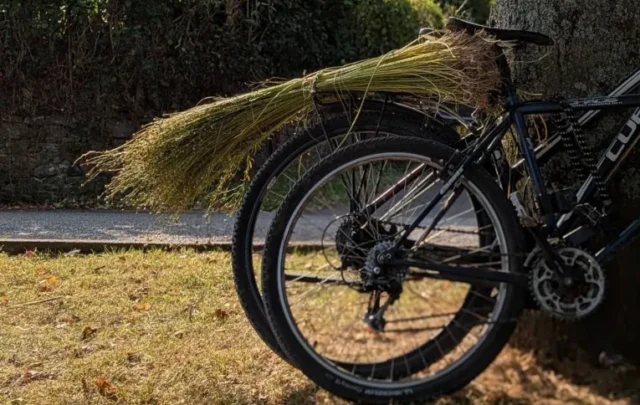
Introducing Common Cloth Works
We’d love you to follow our exciting journey into the specifics and challenges of vertically micro-manufacturing the first bioregional, ecological UK linen in decades!
April 1, 2026
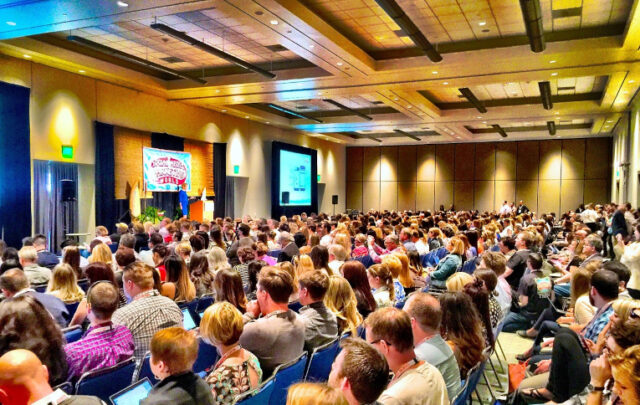
Dream Presentation
Humans only fool themselves to believe they can do any better than ecology. We can’t expect to invent substitutes via cognitive processes: it’s never worked that way, and our attempt is proving to be a colossal flop in a mere 10,000 years.
April 1, 2026
Finding Home Part III: Community
If we take back control of our food and our water we stop environmental degradation. We cannot do it alone. But we can do it within a community.
April 1, 2026

