In our quest to make a better world, we often strive for more efficient use of resources. But is the goal of efficiency the right one? Our guest this week on Sea Change Radio, Low Tech Magazine founder, Kris De Decker, makes a compelling case for the abandonment of efficiency as the barometer for planetary stewardship. He proposes we use the simpler, but perhaps more painful objective of sufficiency. De Decker argues that pursuing greener, more efficient methods and technologies is, more often than not, a fool’s errand. He maintains that the human appetite for comfort, growth, and acquisition tends to turn efficiencies into increased consumption, and that the only way to truly fight climate change is for all of us to recognize that enough is, well, enough.
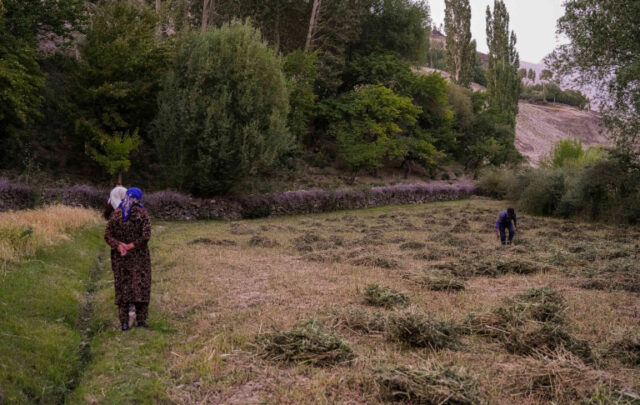
Teaser photo credit: Image: The Panos Network.
Related Articles
'SELECT SQL_CALC_FOUND_ROWS wp_posts.ID
FROM wp_posts LEFT JOIN wp_term_relationships ON (wp_posts.ID = wp_term_relationships.object_id)
WHERE 1=1 AND wp_posts.ID NOT IN (3470492) AND (
wp_term_relationships.term_taxonomy_id IN (1,2,3,8988)
) AND wp_posts.post_type = \'post\' AND ((wp_posts.post_status = \'publish\'))
GROUP BY wp_posts.ID
ORDER BY wp_posts.post_date DESC
LIMIT 0, 3'
By Umed Qurbonbekov, Home Planet Fund
In Tughgoz village, located in the remote Ishkashim District of Tajikistan, agriculture is more than a livelihood — it is the foundation of daily life. Like many rural communities in the region, village residents rely on their land, local knowledge, and traditional seed varieties to sustain their families and protect their future.
April 2, 2026
By Christopher Haines, Resilience.org
The easiest and cheapest means of reducing warming is increasing vegetation in rural areas; eliminating bare soil, especially the millions of acres produced by industrial agriculture, addressing erosion and aridification, and restoring forests, which will also increase fire-resistance, reducing the need for the far-more complex and expensive changes required in suburban and urban areas.
April 2, 2026