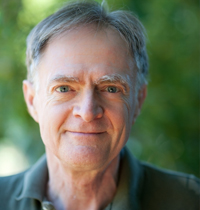
Richard Heinberg joins Julia Jacobs at BFM radio to discuss realistic avenues for transitioning to renewable energy, the environmental implications of economic growth, and how we can build more resiliency into the sustainability movement.
Richard is Senior Fellow of Post Carbon Institute, and is regarded as one of the world’s foremost advocates for a shift away from our current reliance on fossil fuels. He is the author of fourteen books, including some of the seminal works on society’s current energy and environmental sustainability crisis. He has authored hundreds of essays and articles that have appeared in such journals as Nature and The Wall Street Journal; delivered hundreds of lectures on energy and climate issues to audiences on six continents; and has been quoted and interviewed countless times for print, television, and radio. His monthly MuseLetter has been in publication since 1992. Full bio at postcarbon.org.
Tags: building resilient communities, limits to growth, renewable energy transition
Related Articles
'SELECT SQL_CALC_FOUND_ROWS wp_posts.ID
FROM wp_posts LEFT JOIN wp_term_relationships ON (wp_posts.ID = wp_term_relationships.object_id)
WHERE 1=1 AND wp_posts.ID NOT IN (3467561) AND (
wp_term_relationships.term_taxonomy_id IN (1,5,8988,8995)
) AND wp_posts.post_type = \'post\' AND ((wp_posts.post_status = \'publish\'))
GROUP BY wp_posts.ID
ORDER BY wp_posts.post_date DESC
LIMIT 0, 3'
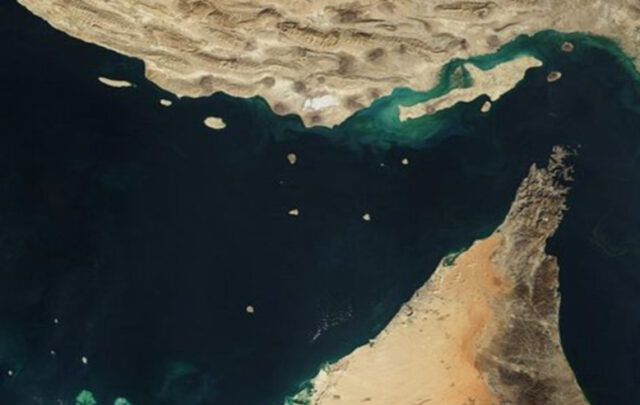
Carrying about 20% of the world’s traded oil and gas, the Strait of Hormuz is a critical global chokepoint. Even if it remains open, restoring full energy and material flows will take time, with ongoing consequences to global supply systems.
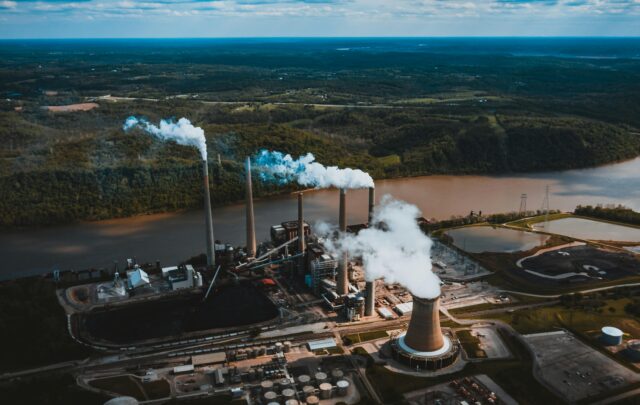
As sweeping deregulation accelerates under Donald Trump, long-standing nuclear safety regulations are being rolled back with little public scrutiny, raising new concerns about risks to both human health and the environment.
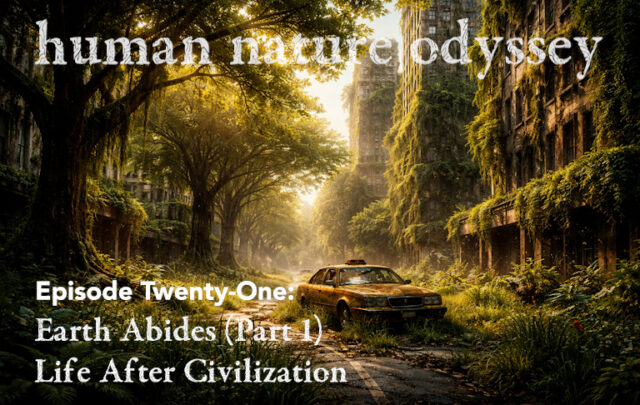
You ever go on a little trip, to just get away from it all — only to come home and find all of civilization collapsed while you were gone and you might be the last person left on earth? Well then you could totally relate to George R. Stewart’s 1949 science-fiction novel, “Earth Abides.”