
In this third video on urban swales, I explain why the level is a key tool in permaculture design and demonstrate its use to ensure that our swales work as intended:
Ed. note: You can find Part 1 in this series here and Part 2 here.

Insight and inspiration in turbulent times.

In this third video on urban swales, I explain why the level is a key tool in permaculture design and demonstrate its use to ensure that our swales work as intended:
Ed. note: You can find Part 1 in this series here and Part 2 here.
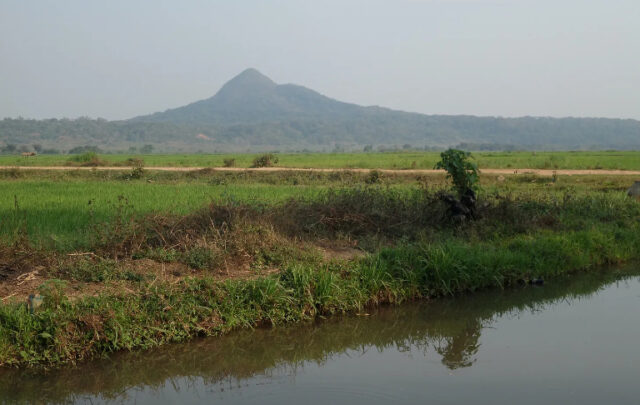
In Malawi, where agriculture is central to daily life, an internship with an agroecology organisation offers an inside look at farming practices that challenge industrial food systems and support food sovereignty.
April 6, 2026
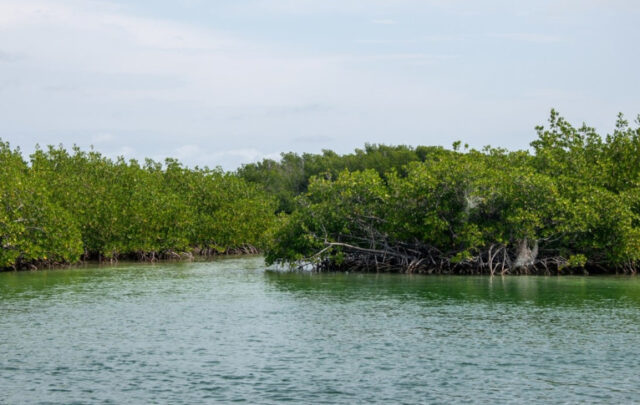
In January, we launched a brand-new Marine Ecosystems Community of Practice – a collaborative initiative bringing together four Ecosystem Restoration Communities (ERCs) working at the frontlines of coastal and marine restoration.
April 3, 2026
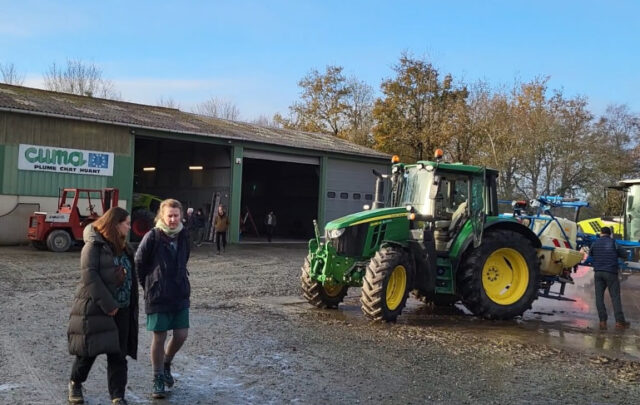
What if, instead of going into debt to invest in their farms, farmers came together to pool equipment? What if, instead of struggling to run a small farm alone, there was extra help at hand? What if new entrants could draw on the experience of more established farmers in their local area? It may sound too good to be true, but this is the reality with France’s network of Agricultural Machinery Cooperatives (CUMA).
April 3, 2026

