

Apparently things are moving and shaking in Oklahoma, literally. In the past 8 years earthquakes in the “Sooner State” have increased from 2 a year to 2 a day. Is the expansion of gas and oil exploration during that same period of time a mere coincidence? This week on Sea Change Radio, we hear from Ole Kaven, a geophysicist with the US Geological Survey. Kaven’s area of expertise is human-induced seismicity, in other words, how human activity contributes to earthquakes. He talks about the work he has been doing studying the effects of carbon sequestration on seismic events, the sharp increase in Oklahoma’s seismicity, and what the government and the public should know about how oil and gas industry practices could be making the earth move under our feet.

Related Articles
'SELECT SQL_CALC_FOUND_ROWS wp_posts.ID
FROM wp_posts LEFT JOIN wp_term_relationships ON (wp_posts.ID = wp_term_relationships.object_id)
WHERE 1=1 AND wp_posts.ID NOT IN (3189753) AND (
wp_term_relationships.term_taxonomy_id IN (3)
) AND wp_posts.post_type = \'post\' AND ((wp_posts.post_status = \'publish\'))
GROUP BY wp_posts.ID
ORDER BY wp_posts.post_date DESC
LIMIT 0, 3'

Make America go away…from the deep ocean
So, it’s time we Make America Go Away from the Deep Ocean. Yes, the MAGADO movement.
October 8, 2026
How the pursuit of science also serves modernity
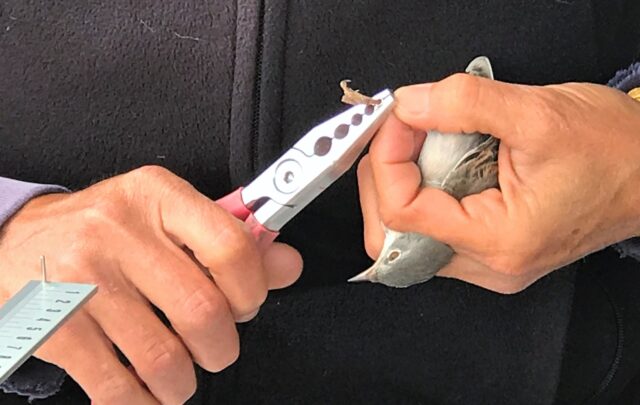
Much of science is in the service of modernity, producing remarkable short-term advantages for humans generally at the expense of the rest of the community of life.
October 5, 2026
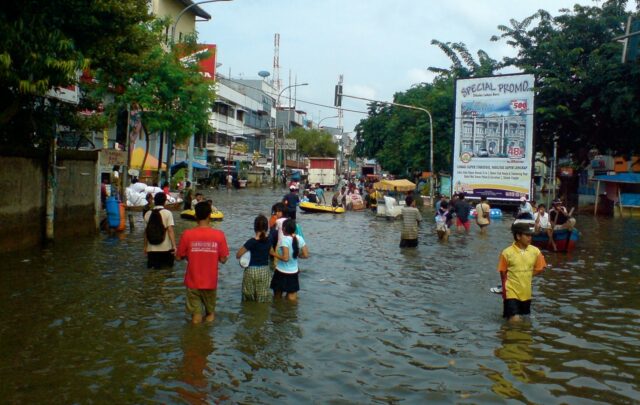
Displaced on the Island of Java: A village sinking into the sea – documentary review
Water, that vital element, is an invasive presence in the documentary Displaced on the Island of Java: A Village Sinking into the Sea.
October 1, 2026


Comments
We changed commenting systems on September 10, 2026 as part of a site-wide functionality and security upgrade. Your past comments have not disappeared, and you can still log in with your old Disqus account credentials if you wish. Contact us with any questions.