

Miriam Volat, Permaculture Skills Center’s Farm School director, speaks to her work as a facilitator, educator, and healthy food system advocate. Miriam shares with listeners her perspectives on the future of community food production and the creation of small businesses to support this movement.


Related Articles
'SELECT SQL_CALC_FOUND_ROWS wp_posts.ID
FROM wp_posts LEFT JOIN wp_term_relationships ON (wp_posts.ID = wp_term_relationships.object_id)
WHERE 1=1 AND wp_posts.ID NOT IN (3140436) AND (
wp_term_relationships.term_taxonomy_id IN (4,8988)
) AND wp_posts.post_type = \'post\' AND ((wp_posts.post_status = \'publish\'))
GROUP BY wp_posts.ID
ORDER BY wp_posts.post_date DESC
LIMIT 0, 3'
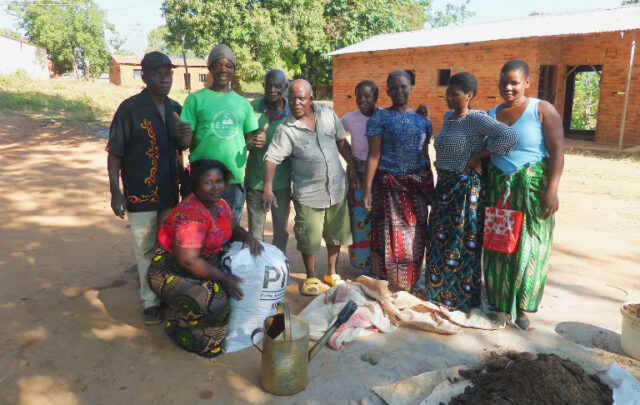
The restorative promise of agroecology: Farming for sovereignty and resilience in Malawi – Part II
In Malawi, farmers who have embraced agroecology are navigating the challenges of climate change, market pressures, and community needs.
April 7, 2026
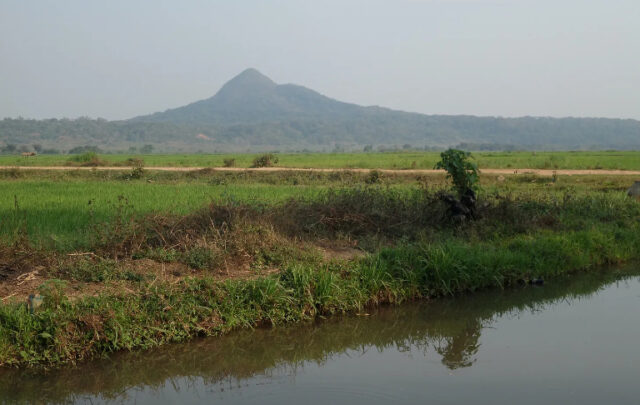
The restorative promise of agroecology: Farming for sovereignty and resilience in Malawi
In Malawi, where agriculture is central to daily life, an internship with an agroecology organisation offers an inside look at farming practices that challenge industrial food systems and support food sovereignty.
April 6, 2026

A New Wave of Collaboration for Our Oceans
In January, we launched a brand-new Marine Ecosystems Community of Practice – a collaborative initiative bringing together four Ecosystem Restoration Communities (ERCs) working at the frontlines of coastal and marine restoration.
April 3, 2026

