

This episode describes six areas of organisational life which need to be attended to for it to be healthy and successful, which are also the titles of the 6 episodes in this series: Creating Culture; Finding Fit; Working with Power; Discovering Direction; Getting Things Done Together; and Learning and Lasting. It explains how attending to all 6 areas create the conditions for collaboration to actually get the work done, both inside and outside of meetings. This episode explores how this is done using a conventional hierarchy and then how it looks using two methods of self-organisation beyond hierarchy: more collaborative and agile approaches.

Related Articles
'SELECT SQL_CALC_FOUND_ROWS wp_posts.ID
FROM wp_posts LEFT JOIN wp_term_relationships ON (wp_posts.ID = wp_term_relationships.object_id)
WHERE 1=1 AND wp_posts.ID NOT IN (2539136) AND (
wp_term_relationships.term_taxonomy_id IN (5,8988)
) AND wp_posts.post_type = \'post\' AND ((wp_posts.post_status = \'publish\'))
GROUP BY wp_posts.ID
ORDER BY wp_posts.post_date DESC
LIMIT 0, 3'

Scale Raises the Ceiling, but Fiscal Foundations Determine Whether Autocracy or Democracy Prevails
Understanding this deeper history widens our conception of political possibility. It reminds us that democracy has emerged through multiple pathways and has sustained under diverse historical conditions—and that its durability has depended not just on shared norms or formal institutions, but on the fiscal systems that underwrite them.
April 3, 2026
How to build community resilience in the face of abrupt economic decline
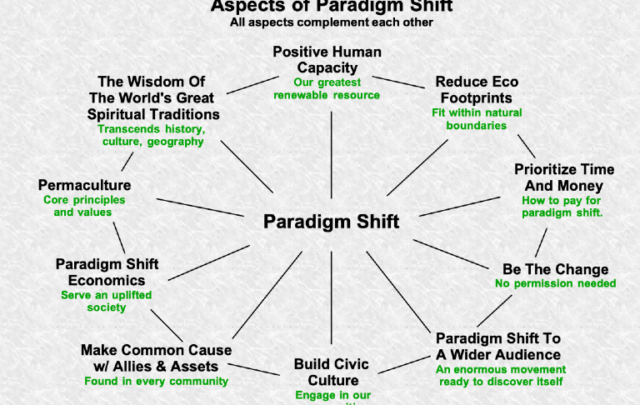
Benicia, California, is set to lose its largest single employer and source of tax revenue, a sprawling oil refinery. A Guardian article about this issue catalyzed this essay that describes what a thoughtful process might look like, if a community – any community – chose to pursue sustainability instead of economic growth.
April 2, 2026
Dream Presentation
Humans only fool themselves to believe they can do any better than ecology. We can’t expect to invent substitutes via cognitive processes: it’s never worked that way, and our attempt is proving to be a colossal flop in a mere 10,000 years.
April 1, 2026

