

I’ve been brainstorming with folks at the Stockholm Resilience Centre (big thanks to Garry Peterson) to come up with 6 iconic objects that illustrate 6 key qualities of resilient systems.

Related Articles
'SELECT SQL_CALC_FOUND_ROWS wp_posts.ID
FROM wp_posts LEFT JOIN wp_term_relationships ON (wp_posts.ID = wp_term_relationships.object_id)
WHERE 1=1 AND wp_posts.ID NOT IN (2163422) AND (
wp_term_relationships.term_taxonomy_id IN (5,8988)
) AND wp_posts.post_type = \'post\' AND ((wp_posts.post_status = \'publish\'))
GROUP BY wp_posts.ID
ORDER BY wp_posts.post_date DESC
LIMIT 0, 3'
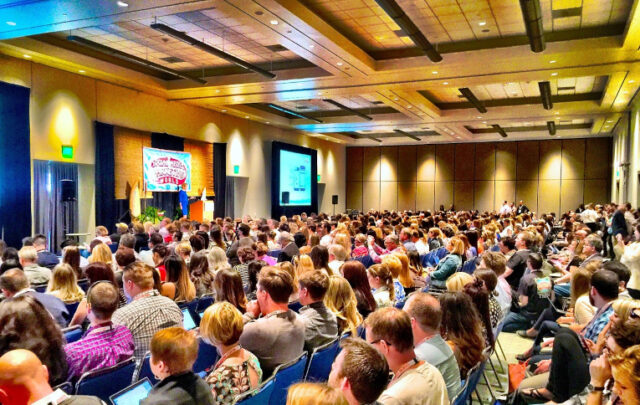
Dream Presentation
Humans only fool themselves to believe they can do any better than ecology. We can’t expect to invent substitutes via cognitive processes: it’s never worked that way, and our attempt is proving to be a colossal flop in a mere 10,000 years.
April 1, 2026

We Have to Start Talking About Money Trauma
It’s curious that money trauma hasn’t gone into the mainstream yet. It’s one of the most fundamental forces shaping how we move around in our lives, and yet it remains incredibly taboo.
March 31, 2026

There is an Alternative
The gap between the beckoning future of an ecocivilization and today’s grim reality is only too clear. But to the extent that meaningful hope does arise, it emerges from the very ruptures of our present breakdown. As the weave of our dominant system unravels, possibilities emerge to reweave our societal fabric into a new design.
March 31, 2026

