This posts pulls together a couple of recent videos featuring Kevin Anderson. First up is an interview by Manchester Climate Monthly following the December 2013 Radical Emissions Reduction Conference in the UK. Kevin answers questions on the purpose of the conference, on scientists being "political", and on civil disobedience and shale gas.
Manchester Climate Monthly also pulled out these 2 clips – Kevin Anderson on scientists who get political, Kevin Anderson on shale gas and disobedience.
Below is Kevin’s presentation from the conference.
Kevin Anderson – The emissions case for a radical plan from tyndallcentre on Vimeo.
Kevin Anderson is professor of energy and climate change in the School of Mechanical, Aeronautical and Civil Engineering at the University of Manchester. He was previously director of the Tyndall Centre, the UK’s leading academic climate change research organisation, during which time he held a joint post with the University of East Anglia. Kevin now leads Tyndall Manchester’s energy and climate change research programme and is deputy director of the Tyndall Centre. He is research active with recent publications in Royal Society journals, Nature and Energy Policy, and engages widely across all tiers of government.
More
Tags: climate change, Emissions, Energy Policy, Politics, science
Related Articles
'SELECT SQL_CALC_FOUND_ROWS wp_posts.ID
FROM wp_posts LEFT JOIN wp_term_relationships ON (wp_posts.ID = wp_term_relationships.object_id)
WHERE 1=1 AND wp_posts.ID NOT IN (2020627) AND (
wp_term_relationships.term_taxonomy_id IN (3)
) AND wp_posts.post_type = \'post\' AND ((wp_posts.post_status = \'publish\'))
GROUP BY wp_posts.ID
ORDER BY wp_posts.post_date DESC
LIMIT 0, 3'
By Umed Qurbonbekov, Home Planet Fund
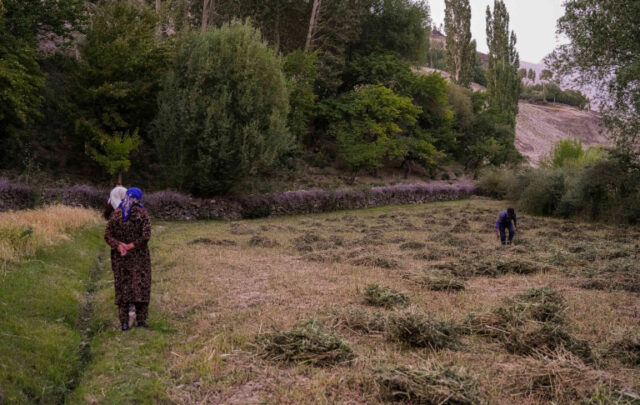
In Tughgoz village, located in the remote Ishkashim District of Tajikistan, agriculture is more than a livelihood — it is the foundation of daily life. Like many rural communities in the region, village residents rely on their land, local knowledge, and traditional seed varieties to sustain their families and protect their future.
April 2, 2026
By Christopher Haines, Resilience.org
The easiest and cheapest means of reducing warming is increasing vegetation in rural areas; eliminating bare soil, especially the millions of acres produced by industrial agriculture, addressing erosion and aridification, and restoring forests, which will also increase fire-resistance, reducing the need for the far-more complex and expensive changes required in suburban and urban areas.
April 2, 2026