Here at the Millennium Seed Bank’s ‘Great Seed Swap’ at the National Trust’s Wakehurst Place, we hear about the rich diversity of plant varieties that can be grown for food; see keen gardeners and horticulturalists exchange seeds; and learn from the experts about the importance of saving and sowing our own open-pollinated seeds.
www.woodlands.co.uk/tv
www.kew.org/visit-wakehurst/garden-attractions-A-Z/Millennium-Seed-Bank
www.gardenorganic.org.uk
www.open-pollinated-seeds.org.uk
www.sussexcommunityseedbank.com
Tags: open-pollinated seeds, seed banks, seed swaps
Related Articles
'SELECT SQL_CALC_FOUND_ROWS wp_posts.ID
FROM wp_posts LEFT JOIN wp_term_relationships ON (wp_posts.ID = wp_term_relationships.object_id)
WHERE 1=1 AND wp_posts.ID NOT IN (1916781) AND (
wp_term_relationships.term_taxonomy_id IN (4,8988)
) AND wp_posts.post_type = \'post\' AND ((wp_posts.post_status = \'publish\'))
GROUP BY wp_posts.ID
ORDER BY wp_posts.post_date DESC
LIMIT 0, 3'
By Jeremy Rifkin, The Observatory
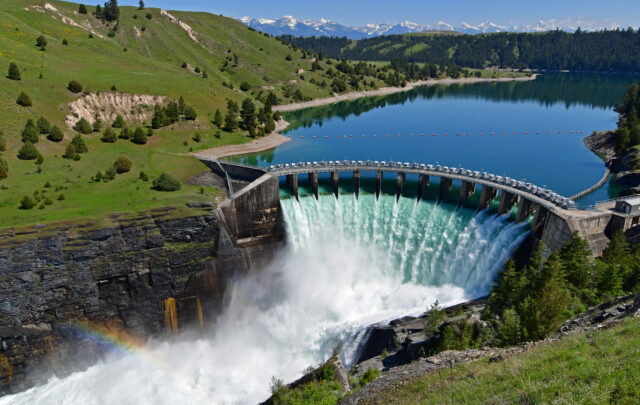
As climate change brings more extreme floods, droughts and heatwaves, a growing number of cities are exploring a different path: adapting to water’s rhythms rather than trying to dominate them.
September 30, 2026
By Zia Gallina, The Subversive Farmer
My intention was to write about simple self-sufficiency, especially when it comes to growing food. But then this summer was challenging in a way I thought I was prepared for… but wasn’t.
September 18, 2026
By Bioneers staff, Bioneers
In this keynote address, Indigenous activist Sammy Gensaw shares his experiences working for ecological and cultural revival along the Klamath River, central to his people’s identity and livelihood.
September 17, 2026






Comments
We changed commenting systems on September 10, 2026 as part of a site-wide functionality and security upgrade. Your past comments have not disappeared, and you can still log in with your old Disqus account credentials if you wish. Contact us with any questions.