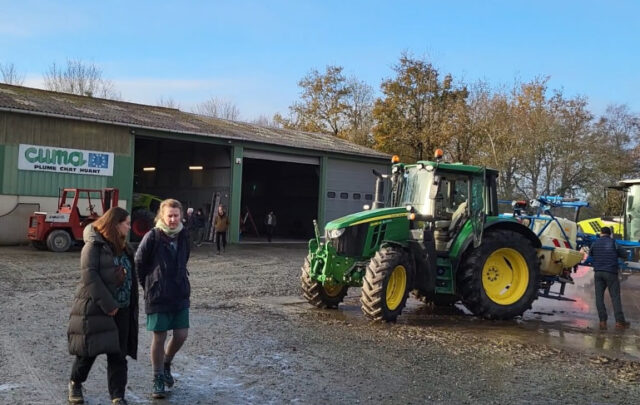
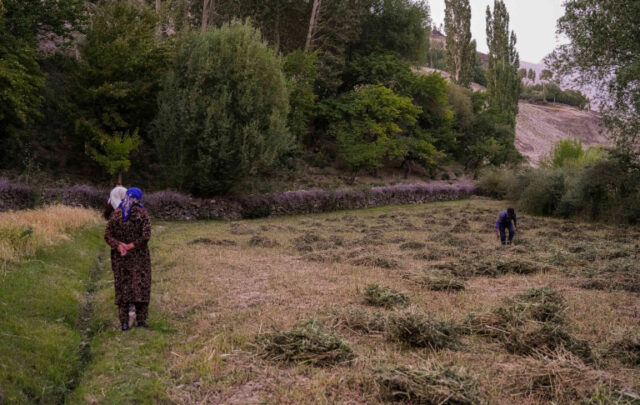
Here at the Millennium Seed Bank’s ‘Great Seed Swap’ at the National Trust’s Wakehurst Place, we hear about the rich diversity of plant varieties that can be grown for food; see keen gardeners and horticulturalists exchange seeds; and learn from the experts about the importance of saving and sowing our own open-pollinated seeds.
www.woodlands.co.uk/tv
www.kew.org/visit-wakehurst/garden-attraÂctions-A-Z/Millennium-Seed-Bank
www.gardenorganic.org.uk
www.open-pollinated-seeds.org.uk
www.sussexcommunityseedbank.com

Tags: open-pollinated seeds, seed banks, seed swaps
Related Articles
'SELECT SQL_CALC_FOUND_ROWS wp_posts.ID
FROM wp_posts LEFT JOIN wp_term_relationships ON (wp_posts.ID = wp_term_relationships.object_id)
WHERE 1=1 AND wp_posts.ID NOT IN (1916781) AND (
wp_term_relationships.term_taxonomy_id IN (4,8988)
) AND wp_posts.post_type = \'post\' AND ((wp_posts.post_status = \'publish\'))
GROUP BY wp_posts.ID
ORDER BY wp_posts.post_date DESC
LIMIT 0, 3'
By El Habib Ben Amara, Resilience.org
Why water scarcity is not a climatic inevitability, and how nature-based solutions can rebuild life in landscapes under stress.
February 12, 2026
By Oliver Moore, ARC2020
Among other things, the Oxford Real Farming Conference shows that there’s more to the movement than mere conventionalisation. The movement is doubling down—it’s attempting to deepen its understanding of the world. And there’s no time like the present for that.
February 10, 2026
By El Habib Ben Amara, Resilience.org
By rebuilding functional hydrological cycles, societies can enhance the effectiveness of existing infrastructure, reduce vulnerability to climatic extremes, and regenerate the ecological foundations upon which water security ultimately depends.
February 5, 2026