

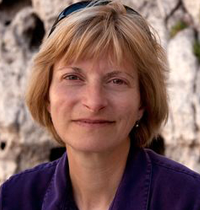
National Geographic Fellow Sandra Postel views the world through a water lens, advocating for all to make simple and easy changes to their everyday lives that will help "Change the Course" of the Earth’s precious supply of freshwater.

Related Articles
'SELECT SQL_CALC_FOUND_ROWS wp_posts.ID
FROM wp_posts LEFT JOIN wp_term_relationships ON (wp_posts.ID = wp_term_relationships.object_id)
WHERE 1=1 AND wp_posts.ID NOT IN (1823755) AND (
wp_term_relationships.term_taxonomy_id IN (3)
) AND wp_posts.post_type = \'post\' AND ((wp_posts.post_status = \'publish\'))
GROUP BY wp_posts.ID
ORDER BY wp_posts.post_date DESC
LIMIT 0, 3'
How the pursuit of science also serves modernity
Much of science is in the service of modernity, producing remarkable short-term advantages for humans generally at the expense of the rest of the community of life.
October 5, 2026
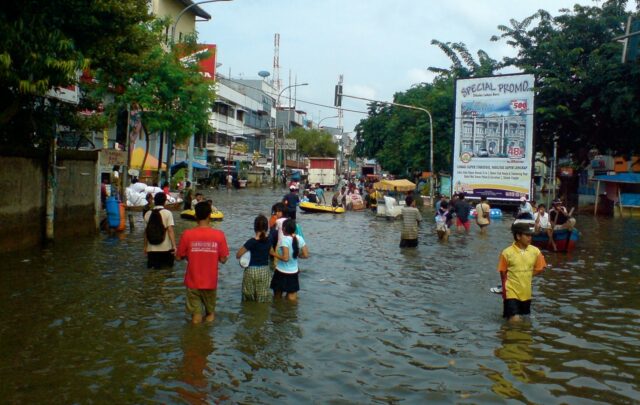
Displaced on the Island of Java: A village sinking into the sea – documentary review
Water, that vital element, is an invasive presence in the documentary Displaced on the Island of Java: A Village Sinking into the Sea.
October 1, 2026
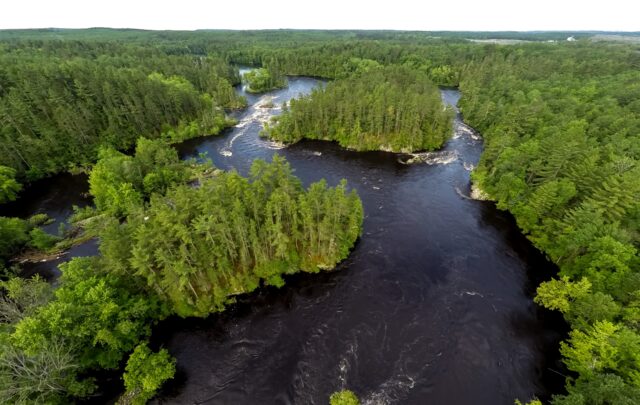
How restoration efforts helped Marinette County recover its forests, streams, and future
Marinette County could well become a model of sustainability. However, sprawling development may impede its progress as the next iteration of an economic threat to ecosystems.
September 28, 2026


Comments
We changed commenting systems on September 10, 2026 as part of a site-wide functionality and security upgrade. Your past comments have not disappeared, and you can still log in with your old Disqus account credentials if you wish. Contact us with any questions.