

Can ecology, biology, mathematics and physics help us avoid (or at least predict) forthcoming troubles of the worst kind? An interview [recorded in April 2011] with scientist Len Fisher, Ph.D., author of the new book Crashes, Crises, and Calamities: How We Can Use Science to Read the Early-Warning Signs (Basic Books, 2011).

Related Articles
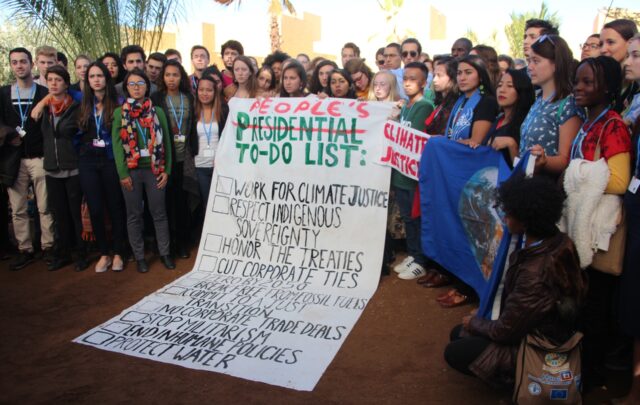
In his new book, activist Chris Dixon teaches us that beating burnout in social movements requires strategy
“For the Long Haul” diagnoses the roots of burnout among organizers and offers lessons from movement elders to combat it.
October 23, 2026
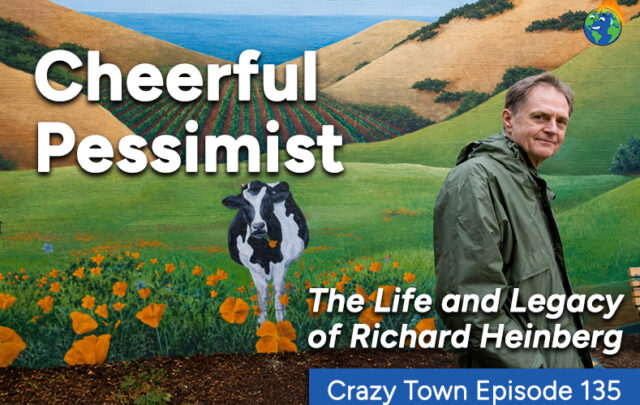
Crazy Town: Episode 135. Cheerful Pessimist: The Life and Legacy of Richard Heinberg
Jason, Rob, and Asher gather in the studio for the first time since Richard’s passing to commiserate, reflect on his legacy, and talk about how to keep his work and ethos alive.
October 21, 2026

“Walkability” is a red herring. City life comes from connectedness
In America, almost all of the infrastructure we’ve built since the mid-century is disconnected.
October 20, 2026


Comments
We changed commenting systems on September 10, 2026 as part of a site-wide functionality and security upgrade. Your past comments have not disappeared, and you can still log in with your old Disqus account credentials if you wish. Contact us with any questions.