

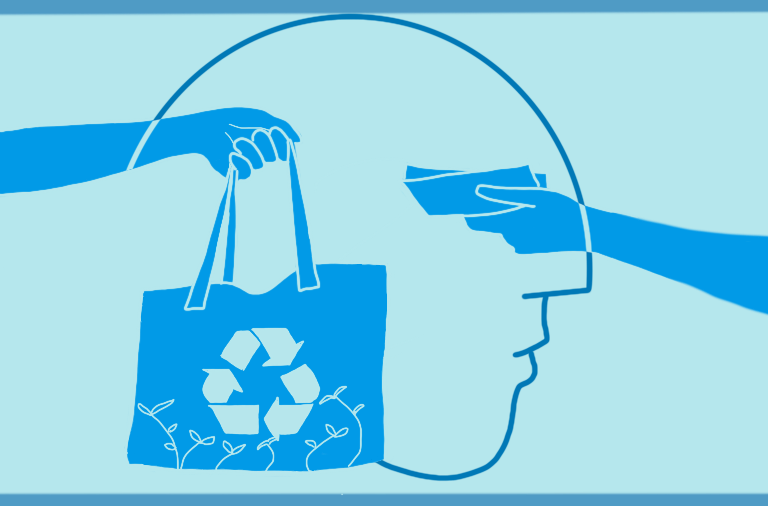
The United States isn’t broke; we’re the richest country on the planet and a country in which the richest among us are doing exceptionally well. But the truth is, our economy is broken, producing more pollution, greenhouse gasses and garbage than any other country. In these and so many other ways, it just isn’t working. But rather than invest in something better, we continue to keep this ‘dinosaur economy’ on life support with hundreds of billions of dollars of our tax money. The Story of Broke calls for a shift in government spending toward investments in clean, green solutions—renewable energy, safer chemicals and materials, zero waste and more—that can deliver jobs AND a healthier environment. It’s time to rebuild the American Dream; but this time, let’s build it better.
Related Articles
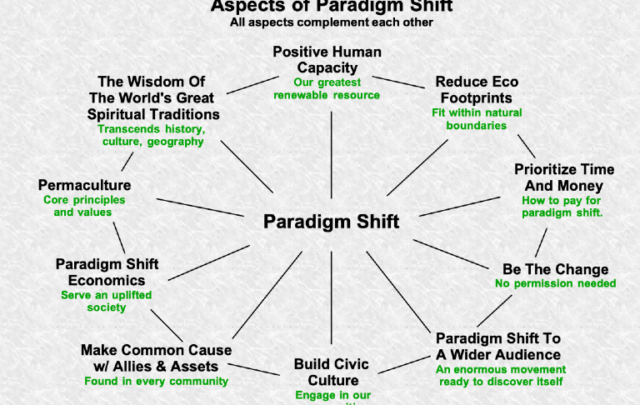
How to build community resilience in the face of abrupt economic decline
Benicia, California, is set to lose its largest single employer and source of tax revenue, a sprawling oil refinery. A Guardian article about this issue catalyzed this essay that describes what a thoughtful process might look like, if a community – any community – chose to pursue sustainability instead of economic growth.
April 2, 2026
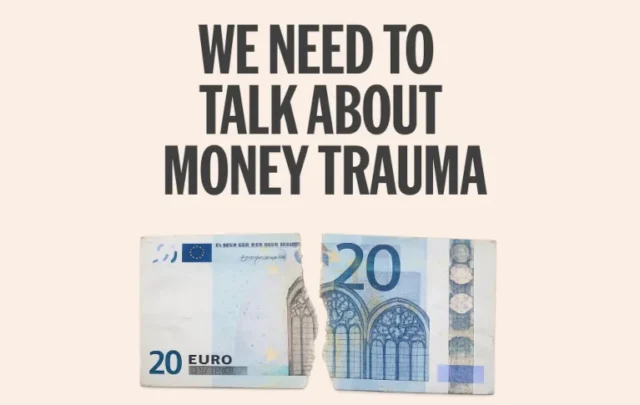
We Have to Start Talking About Money Trauma
It’s curious that money trauma hasn’t gone into the mainstream yet. It’s one of the most fundamental forces shaping how we move around in our lives, and yet it remains incredibly taboo.
March 31, 2026
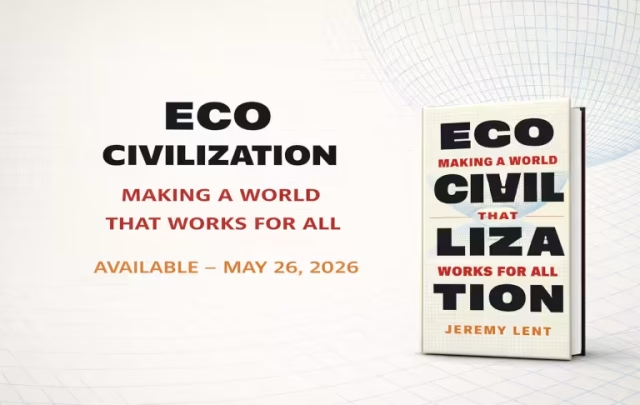
There is an Alternative
The gap between the beckoning future of an ecocivilization and today’s grim reality is only too clear. But to the extent that meaningful hope does arise, it emerges from the very ruptures of our present breakdown. As the weave of our dominant system unravels, possibilities emerge to reweave our societal fabric into a new design.
March 31, 2026

