NOTE: Images in this archived article have been removed.
 Richard Heinberg chats with Michael Ray Dresser about his new book The End of Growth. Richard and Michael discuss the causes of the economic crisis and meaningful responses to it.

Insight and inspiration in turbulent times.
Richard Heinberg chats with Michael Ray Dresser about his new book The End of Growth. Richard and Michael discuss the causes of the economic crisis and meaningful responses to it.
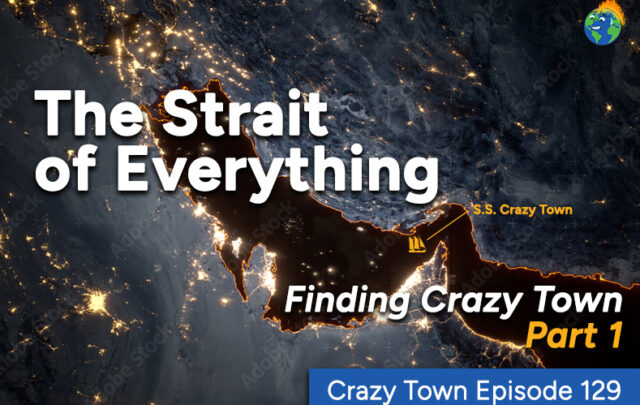
What happens when the global economy depends on fish traveling 10,000 miles, oil flowing through a single strait, and enough cheap fossil fuel energy to build civilizations that previous generations couldn’t even imagine?
July 15, 2026
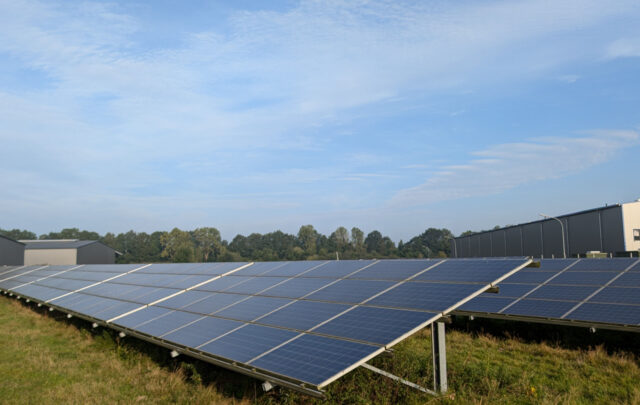
Despite recent shifts in federal energy policies, a Carbon Brief analysis shows that the US transition to renewable energy is continuing.
July 14, 2026

Elon Musk becoming the planet’s first trillionaire should alarm anyone worried about democracy. At that level of wealth, you’re no longer just buying another mansion or private jet; the dangerous power of concentrated wealth is to distort markets, politics, and society.
July 8, 2026