

As we all clean up after the floods, we’re also now hearing about the difficult times ahead – rising costs, rising expenditure, inflationary pressure, higher rates, etc. One of the major shortages ahead will be food. Not only have the farms been wiped out, but it’s going to take them years to re-establish crops and plantations. We’ve all heard about the problems at the Rocklea markets, but we haven’t heard about how food supplier, FoodConnect has been faring. Robert Pekin is the Executive Director of the Foodconnect Foundation

Related Articles
'SELECT SQL_CALC_FOUND_ROWS wp_posts.ID
FROM wp_posts LEFT JOIN wp_term_relationships ON (wp_posts.ID = wp_term_relationships.object_id)
WHERE 1=1 AND wp_posts.ID NOT IN (1217457) AND (
wp_term_relationships.term_taxonomy_id IN (4)
) AND wp_posts.post_type = \'post\' AND ((wp_posts.post_status = \'publish\'))
GROUP BY wp_posts.ID
ORDER BY wp_posts.post_date DESC
LIMIT 0, 3'
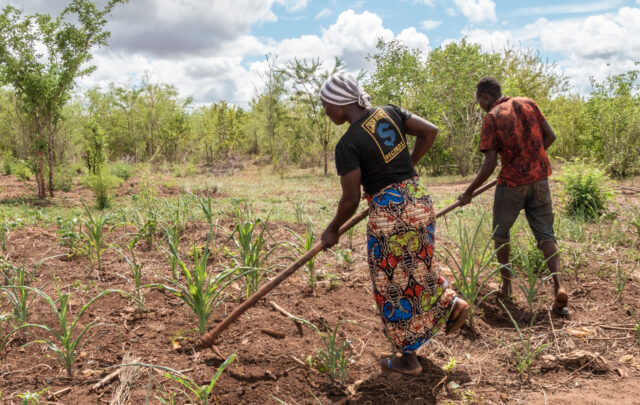
Uganda’s peasant movements push back against harmful pesticides with agroecology
While Europe has banned hazardous pesticides, the same chemicals are exported to African countries such as Uganda, where farmers often apply them with minimal protection and without legal recourse. ESAFF Uganda and its partners are challenging the EU and demanding change.
July 9, 2026
Do organic farms use pesticides? How organic and conventional farming differ
Understanding how food is produced can help consumers make choices that support healthier soil, water, pollinators, and communities.
July 7, 2026
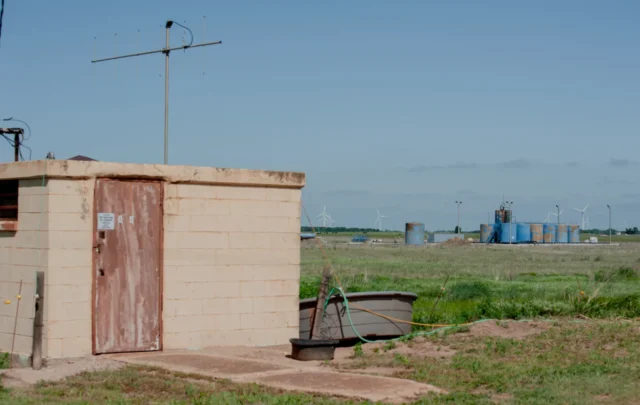
To protect its drinking water, this city has to appeal to the oil regulators that put it at risk
Oklahoma restricts oil field wastewater injection within a half-mile of public water wells to protect against pollution. Regulators have let companies do it anyway. Officials are taking on the oil industry by calling for additional protections against oil field wastewater injection.
July 1, 2026

