Host Tamara Banks takes a look at the Transition Cities movement that is working for a way of life that is environmentally friendly, supports the local economy and conserves natural resources. Joining the discussion will be Michael Brownlee of Transition Colorado, David Greenwald from Transition Louisville, Chef Ann Cooper of Renegade Lunch Lady and Shannon Francis, an indigenous permaculturist from the Woodbine Ecology Center.
Tags: Building Community, Buildings, Education, Food, Fossil Fuels, Health, Media & Communications, Oil, Transportation, Urban Design, Waste
Related Articles
'SELECT SQL_CALC_FOUND_ROWS wp_posts.ID
FROM wp_posts LEFT JOIN wp_term_relationships ON (wp_posts.ID = wp_term_relationships.object_id)
WHERE 1=1 AND wp_posts.ID NOT IN (1217523) AND (
wp_term_relationships.term_taxonomy_id IN (4,8988)
) AND wp_posts.post_type = \'post\' AND ((wp_posts.post_status = \'publish\'))
GROUP BY wp_posts.ID
ORDER BY wp_posts.post_date DESC
LIMIT 0, 3'
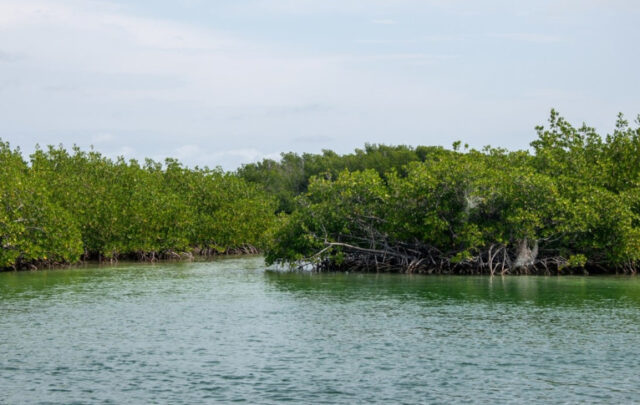
In January, we launched a brand-new Marine Ecosystems Community of Practice – a collaborative initiative bringing together four Ecosystem Restoration Communities (ERCs) working at the frontlines of coastal and marine restoration.
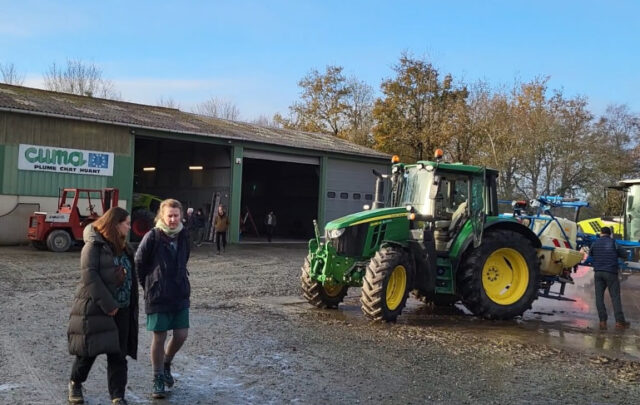
What if, instead of going into debt to invest in their farms, farmers came together to pool equipment? What if, instead of struggling to run a small farm alone, there was extra help at hand? What if new entrants could draw on the experience of more established farmers in their local area? It may sound too good to be true, but this is the reality with France’s network of Agricultural Machinery Cooperatives (CUMA).
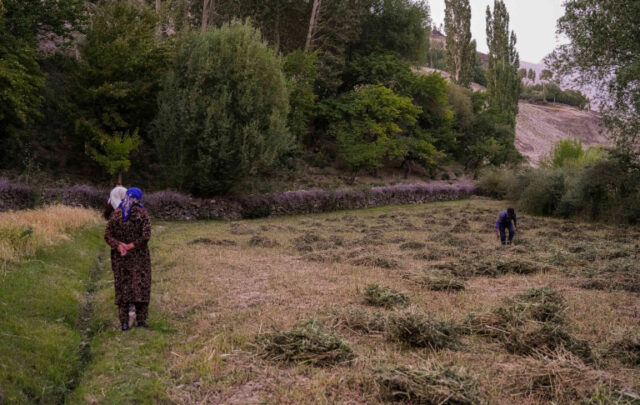
In Tughgoz village, located in the remote Ishkashim District of Tajikistan, agriculture is more than a livelihood — it is the foundation of daily life. Like many rural communities in the region, village residents rely on their land, local knowledge, and traditional seed varieties to sustain their families and protect their future.