

This content is no longer available. It was a pre-publication draft of a section of “Energy Limits to Growth,” a report that will be published in expanded form by Post Carbon Institute and International Forum on globalization in May.


Related Articles
'SELECT SQL_CALC_FOUND_ROWS wp_posts.ID
FROM wp_posts LEFT JOIN wp_term_relationships ON (wp_posts.ID = wp_term_relationships.object_id)
WHERE 1=1 AND wp_posts.ID NOT IN (1230769) AND (
wp_term_relationships.term_taxonomy_id IN (1)
) AND wp_posts.post_type = \'post\' AND ((wp_posts.post_status = \'publish\'))
GROUP BY wp_posts.ID
ORDER BY wp_posts.post_date DESC
LIMIT 0, 3'
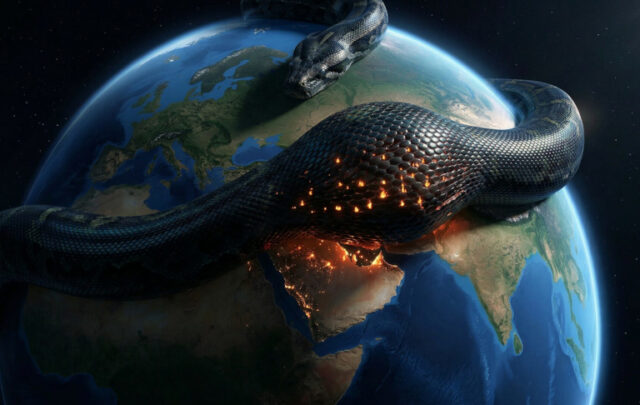
Iran, U.S., and the Rest: The Unavoidable Pig in the Python
In this episode, Nate offers a personal reflection on the unfolding geopolitical tensions surrounding the Strait of Hormuz, beginning with an examination of how disruptions to fossil fuel flows propagate through the global economy, but with a time lag.
March 30, 2026
Iran to Trump: If you destroy us, you destroy yourself
So, there you have it. Trump and his team have stumbled into a war they cannot win. If the war does not end soon, it will likely destroy the world economy for lack of energy supplies and plunge it into a deep, years-long depression, one from which it will be difficult to emerge.
March 29, 2026

Entropia and the Disintegration of Empire
As the current situation (March 2026) around the Strait of Hormuz continues to destabilise the global economy, it is timely to return to Alexander’s analysis outlining ‘the Disintegration of Empire’ (being Chapter Two of Entropia).
March 23, 2026

