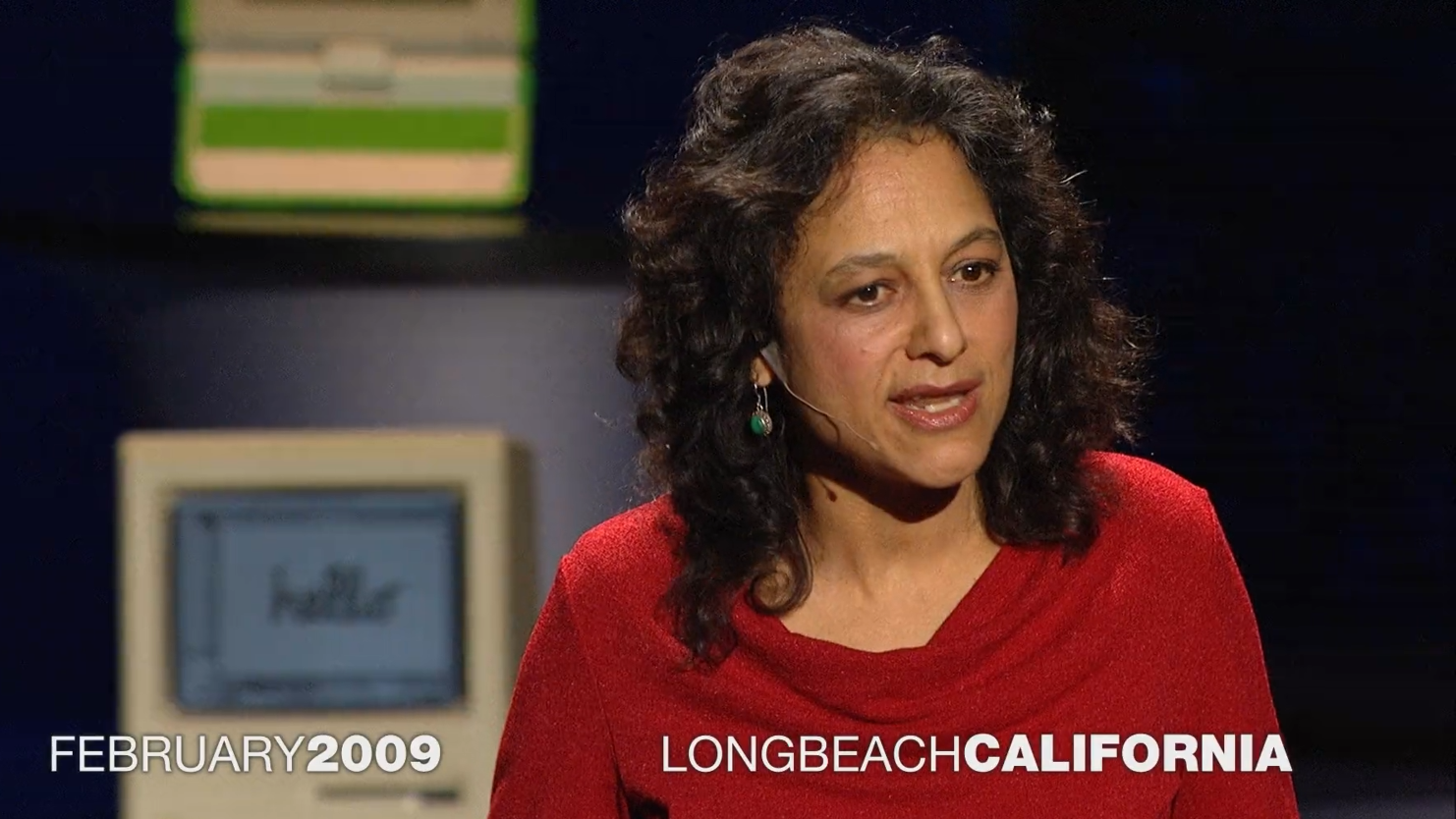
A unique ecosystem of plants, birds and monkeys thrives in the treetops of the rainforest. Nalini Nadkarni explores these canopy worlds — and shares her findings with the world below, through dance, art and bold partnerships.
Dr. Nalini Nadkarni is a forest ecologist and Professor Emeritus in the Department of Biology at the University of Utah. Since 1984, she has carried out research on the biota that live in rainforest canopies, supported by the National Science Foundation and the National Geographic Society. She has written 150 scientific papers and three scholarly books. In 2024, she became a Senior Fellow in Residence at the Sorenson Impact Institute to engage sustainable support for programs with positive environmental impacts. She also interweaves her rainforest research with innovative public engagement. She engages those who do not or cannot gain access to science education with the diverse values of trees to broaden awareness for forest conservation around the world. Her programs include faith-based groups, artists, corporations, and people who are incarcerated in state prisons, county jails, and juvenile detention centers.
Related Articles
'SELECT SQL_CALC_FOUND_ROWS wp_posts.ID
FROM wp_posts LEFT JOIN wp_term_relationships ON (wp_posts.ID = wp_term_relationships.object_id)
WHERE 1=1 AND wp_posts.ID NOT IN (4029632) AND (
wp_term_relationships.term_taxonomy_id IN (3,5,47486,47539)
) AND wp_posts.post_type = \'post\' AND ((wp_posts.post_status = \'publish\'))
GROUP BY wp_posts.ID
ORDER BY wp_posts.post_date DESC
LIMIT 0, 3'
The facility calls for 456 small nuclear reactors, nuclear fuel production and nuclear waste storage. On the same day it surfaced, Sen. Ron Wyden introduced legislation that would ban new data centers.
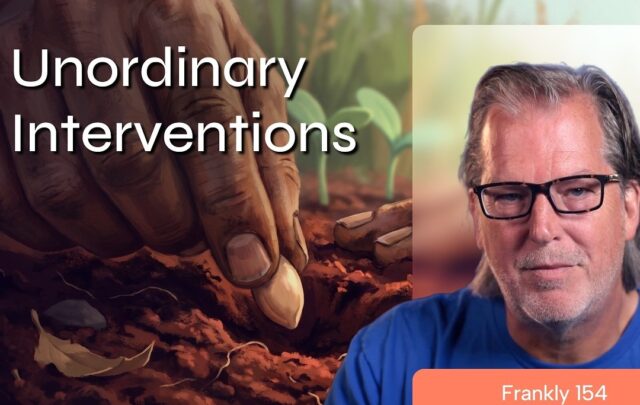
What can one person actually do about the metacrisis? In this week’s Frankly, Nate explicitly outlines just a few of the countless actions we can take to actually change what’s coming.
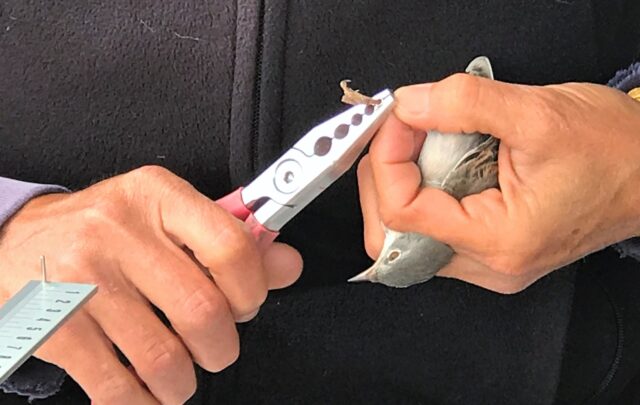
Much of science is in the service of modernity, producing remarkable short-term advantages for humans generally at the expense of the rest of the community of life.
October 5, 2026
Comments
We changed commenting systems on September 10, 2026 as part of a site-wide functionality and security upgrade. Your past comments have not disappeared, and you can still log in with your old Disqus account credentials if you wish. Contact us with any questions.





Comments
We changed commenting systems on September 10, 2026 as part of a site-wide functionality and security upgrade. Your past comments have not disappeared, and you can still log in with your old Disqus account credentials if you wish. Contact us with any questions.