


Welcome to the ODAC Newsletter, a weekly roundup from the Oil Depletion Analysis Centre, the UK registered charity dedicated to raising awareness of peak oil.
History was made this week in the US as Barack Obama was elected. After 8 years of an administration which until recently encouraged profligate energy use, there is much speculation on what an Obama administration will mean for energy policy. See commentary from Julian Darley for a view on the challenges ahead.
As the November 12th release of the 2008 International Energy Agency (IEA) World Energy Outlook draws closer, there have been further leaks to the FT this week, suggesting a marked shift from the 2007 report. A significant quote from the leaked Executive Summary states that “current global trends in energy supply and consumption are patently unsustainable – environmentally, economically, socially”. Taken along with the contribution from Shell to lasts week’s Oil Crunch report in which they predict a production peak in easy oil within the next decade, this is further evidence of growing convergence of opinion on a coming supply crunch. Shell’s analysis describes a scenario in which a plateau in oil production is maintained after the peak by exploitation of non-conventional sources. This argument was rather undermined by the news that the company has just postponed a decision on whether to expand its oil sands operations, because of the falling oil price.
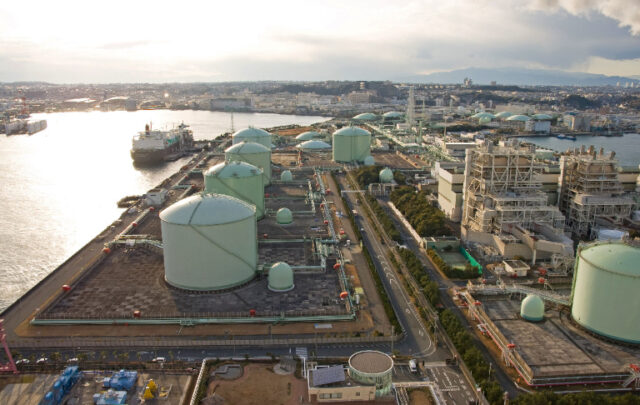
As the UK received large deliveries of LNG from Qatar this week, stepping up imports to replace waning supplies from the North Sea, executive vice president John Mills of Shell sounded a warning regarding future supplies. Speaking at the Abu Dhabi International Petroleum Exhibition and Conference he was reported as stating that “Globally, what people have woken up to is that there is a prospect for the gas industry that its supply-demand crunch could come earlier than anticipated”. Europe is especially vulnerable to competition for gas supplies with its increasing reliance on Russia. Tensions in the Caucasus and Central Asia look set to continue as Europe, the US and Russia jockey for influence in gas rich states like Azerbaijan.
With the challenges ahead innovative and swift action to reduce energy demand and develop a range of alternatives and supportive policies, like the coming feed-in tariff scheme, is essential. With luck Obama’s optimism will prove infectious: “Can we do it? Yes we can!”
Oil
Oil at $200 will shift power to Opec
The dawn of a disturbing new reality
Crude Oil, Gold Fall on Slowing Demand as Global Economy Slumps
BG postpones Kazakh plans but reveals surge in profit
Shell pulls back from oil sands investment
Crisis dents Brazil’s dreams of oil bonanza
Gas
Peak gas output could come ‘earlier than we think’: Shell’s Mills
Azerbaijan Plays Russia Off Against Europe in Contest Over Gas
Qatar connection starts to deliver LNG
Gas storage plans hit by setbacks
North America
Under Obama, Dark Days Seen Ahead For Fossil Fuels
Obama May Put Renewable-Energy Plan Ahead of Climate Package
Economy
Further decline in trade forecast
Petrochemical prices fall to multi-year lows
UK
Government urged to improve ‘feed in tariff’ scheme for renewable energy
Gulf petrodollars help UK go green
Britain burying huge amounts of potential fuel
At Sainsbury’s, where there’s muck, there’s gas
Transport
Gas-guzzlers face extra road tolls
Ryanair boss predicts airline failures this winter
European Carmakers Get $50 Billion in Aid



Comments
We changed commenting systems on September 10, 2026 as part of a site-wide functionality and security upgrade. Your past comments have not disappeared, and you can still log in with your old Disqus account credentials if you wish. Contact us with any questions.