


Click on the headline (link) for the full text.
Many more articles are available through the Energy Bulletin homepage
Surge in carbon levels shows vegetation struggling to cope
David Adam, The Guardian
· Increased greenhouse gas from trees, plants and soil
· World may warm up more quickly than predicted
Climate change may have passed a key tipping point that could mean temperatures rising more quickly than predicted and it being harder to tackle global warming, research suggests.
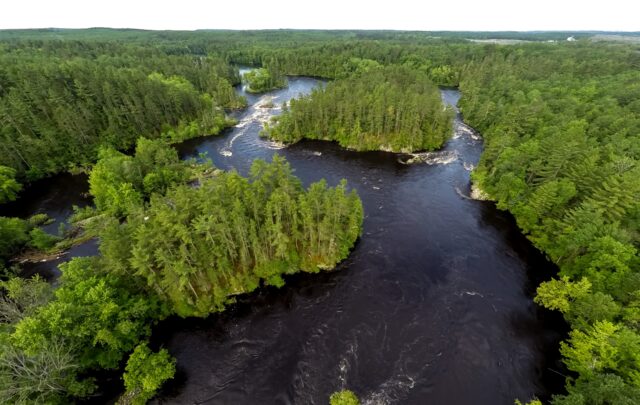
Bristol University researchers say a previously unexplained surge of carbon dioxide levels in the atmosphere in recent years is due to more greenhouse gas escaping from trees, plants and soils. Global warming was making vegetation less able to absorb the carbon pollution pumped out by human activity.
Such a shift would worsen the gloomy predictions of the UN’s Intergovernmental Panel on Climate Change which warned last week that there is less than a decade to tackle rising emissions to avoid the worst effects of global warming.
At the moment about half of human carbon emissions are re-absorbed into the environment, but the fear among scientists is that increased temperatures will reduce this effect.
(11 May 2007)
US ‘bids to water down global warming declaration’
Peter Walker and agencies, Guardian
The US is fighting to water down a declaration on global warming being prepared for next month’s G8 summit, it was reported today.
Reuters said Washington was objecting to specific targets and arguing against significant UN involvement.
The US stance risks provoking a major rift with Germany, which hosts the annual summit of the G8 industrialised nations in the Baltic Sea resort of Heligendamm between June 6 and 8.
Reuters reported that Washington was objecting to pledges to limit global temperature rises by 2C this century and to reduce total world greenhouse gas emissions to 50% below their 1990 levels by 2050.
(11 May 2007)
To cool the planet
Joe Nation, SF Chronicle
CALIFORNIA’S groundbreaking global warming law, AB32, along with executive orders signed by the governor, requires California to cut its greenhouse gas emissions about 35 percent below current levels by 2020 and a staggering 90 percent below current levels by the year 2050. How in the world will California meet those aggressive goals?
There are three paths to achieving those reductions. The favorite among most politicians is the ATNA approach (All Talk, No Action.)
…A second approach is what I call R³, (regulate, regulate, and then regulate some more.) That is the approach favored by most Democrats and bureaucrats in Sacramento. R³ requires those state bureaucrats to simply set mandated emissions reductions and demand that businesses, individuals and others meet those targets.
…The final approach is to use the market. This approach is heavily favored by Republicans (although, ironically, only one Republican legislator was among the 47 who voted for AB32 and its market mechanisms last year). The key to this market approach is the establishment of a “cap and trade” system where individuals, companies, and even governments, must limit their greenhouse gas emissions to a set amount.
…Unfortunately, many of the same legislators who voted for AB32 now question whether or not there is a role for market mechanisms in this battle. I understand some of the concerns about using only the market to create incentives to reduce greenhouse gases, but to dismiss the potential of the market is absurd.
…Regulations have their place, in particular in the transportation sector where we desperately need new fuel efficiency standards for automobiles. In the end, however, we will need every tool in our toolbox. California should use regulations, the market, and the kitchen sink because that is what is required to win this battle.
Joe Nation, a former member of the state Assembly, teaches microeconomics and climate change at the University of San Francisco.
(11 May 2007)
Mr. Nation does not mention carbon taxes, which many economists favor. Carbon taxes seem to be a “cleaner” solution without the vulnerability to manipulation and abuse as cap-and-trade. -BA
Climate change could lead to global conflict, says Beckett
Julian Borger, Guardian
UK Foreign secretary warns of battle for scarce resources
—
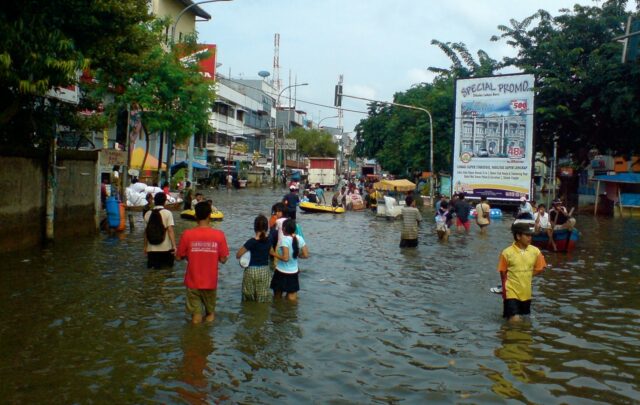
Climate change could spawn a new era of conflicts around the world over water and other scarce resources unless more is done to curb greenhouse gas emissions, the foreign secretary, Margaret Beckett, warned yesterday.
She said climate-driven conflicts were already under way in Africa. Underlying the Darfur crisis, she said, was a “struggle between nomadic and pastoral communities for resources made more scarce through a changing climate”.
Speaking at the Royal United Services Institute in London, Mrs Beckett quoted evidence that a similar conflict was brewing in Ghana where Fulani cattle herdsmen are reportedly arming themselves to take on local farmers in a confrontation over water and land as climate change expands the Sahara desert. The foreign secretary said the Middle East – with 5% of the world’s population but only 1% of its water – would be particularly badly affected, with Saudi Arabia, Iran and Iraq particularly hard hit by a drop in rainfall.
(11 May 2007)
Also at Common Dreams.


Comments
We changed commenting systems on September 10, 2026 as part of a site-wide functionality and security upgrade. Your past comments have not disappeared, and you can still log in with your old Disqus account credentials if you wish. Contact us with any questions.